
WASHINGTON — The nation’s economic expansion decelerated during the opening quarter of the year, with the gross domestic product advancing at an annualized pace of 1.6 percent. Consumer purchasing patterns remained consistent and corporate capital expenditures showed strength, but reduced government expenditures and negative trade impacts limited overall progress. This growth rate fell short of certain analyst projections, indicating measured economic activity without signs of overheating. Such moderate performance may reduce expectations for aggressive Federal Reserve interest rate increases, prompting financial markets to monitor future developments carefully.
In related economic news, a critical measure of price increases surged in April to its peak in three years, representing another indication that escalating gasoline costs and elevated grocery expenses are straining household budgets. Price pressures climbed to 3.8% in April when measured against the previous year, the Commerce Department announced Thursday, rising from March’s 3.5% and marking the steepest increase since May 2023. Monthly price growth registered 0.4%, declining from March’s 0.7% jump. The data revealed widespread price increases beyond fuel costs, suggesting inflation may continue and create challenges for congressional Republicans during this year’s midterm elections.
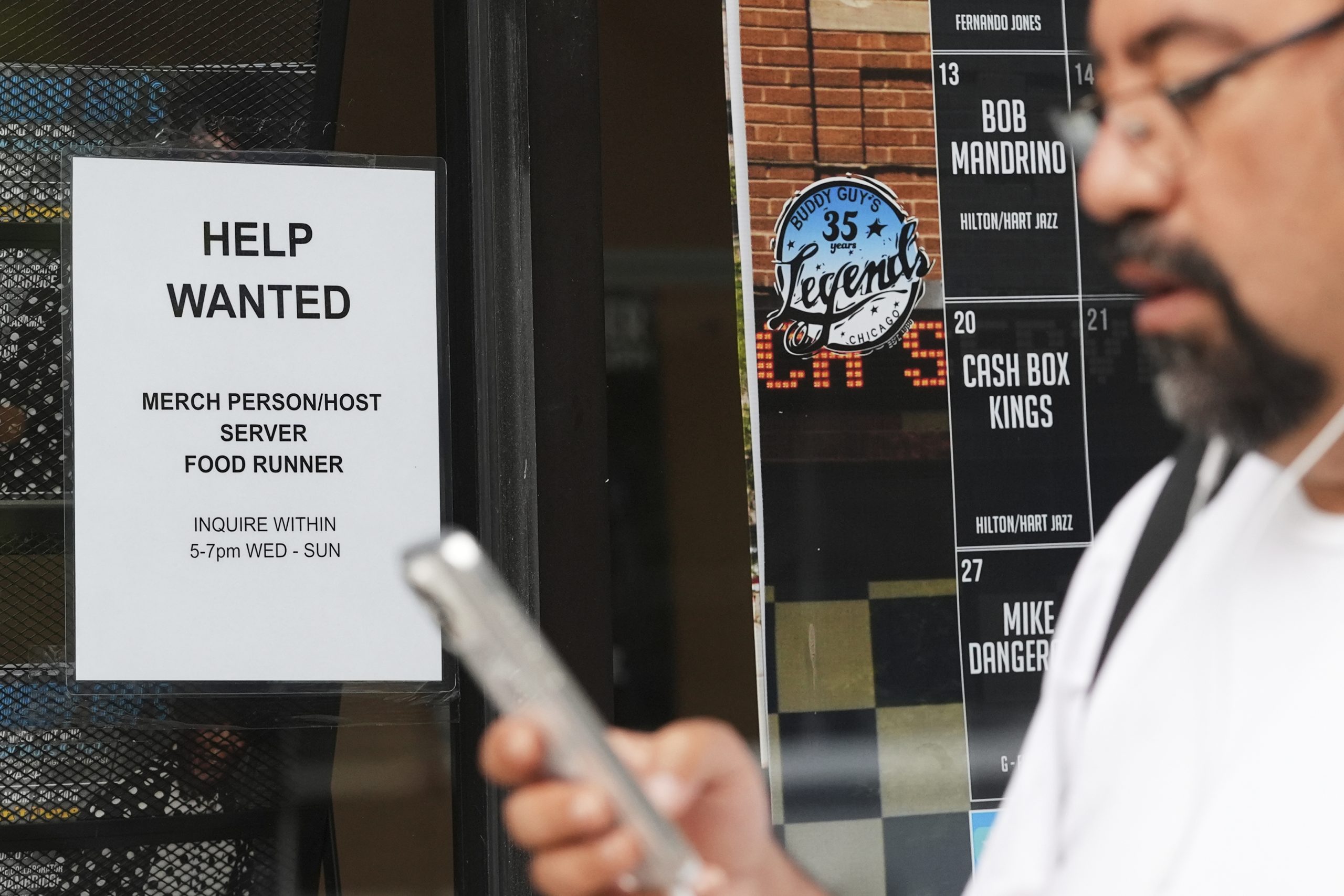
Additionally, initial unemployment benefit applications increased last week among Americans, though job losses continue at minimal levels despite economic concerns related to the Iran war. Thursday’s Labor Department figures showed jobless claims reached 215,000, climbing from the previous week’s 210,000. The four-week rolling average, which eliminates weekly fluctuations, increased by approximately 6,300 to 209,000. Weekly unemployment benefit filings — an indicator of workforce reductions — have remained within a narrow band of primarily 200,000 to 250,000 since the nation’s economy recovered from a short but severe pandemic-induced recession in 2020.