
PAIMIO, Finland — A tuberculosis hospital built with the goal of creating a calming, healing atmosphere is among 13 Finnish sites now recognized on UNESCO’s World Heritage List, following a decision announced Sunday.
The collection, known as the Aalto Works, was created by Finnish architect Alvar Aalto alongside his two wives, both architects themselves — Aino and Elissa Aalto. According to Finland’s Ministry of Education and Culture, the sites highlight the important role architecture played in shaping the country’s welfare state.
The ministry described the Aaltos’ design philosophy as humanistic modernism — an approach that sought balance between the built environment and the natural world around it.
Finland’s minister of science and culture, Mari-Leena Talvitie, called the UNESCO designation “a significant international recognition of Finnish modern architecture.”
While mainstream modernist architecture of the early 20th century leaned heavily on strict geometry and function, the Aaltos took a different path — weaving human emotion and natural forms into their designs.
Alvar Aalto, born in 1898, is widely regarded as one of the towering figures of modern architecture. He frequently worked alongside his wives and was known for bringing warmth to his buildings while focusing on how people experienced their surroundings.
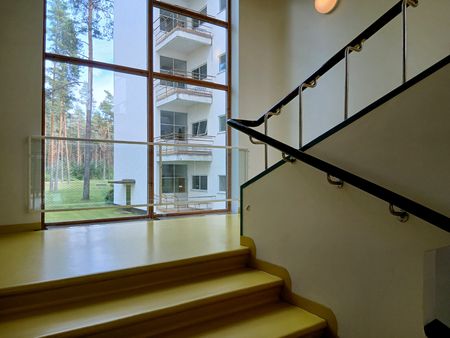
Among the most notable of the 13 sites is the Paimio Sanatorium, completed in 1933. Designed by Alvar and Aino Aalto, the building was conceived around the idea that a welcoming physical environment could aid patient recovery. Every element — from color choices to furniture — was selected with healing in mind. Special no-splash sinks were installed to cut down on noise, and oversized windows were used to flood rooms with natural light. Even the famous Paimio bentwood lounge chair, with its unupholstered surface, was a nod to the hospital’s strict hygiene standards.
Mirkku Kullberg, chair of the Paimio Sanatorium Foundation board, described the philosophy behind the space: “There is a true connection and dialogue between nature and architecture … (and) having a true dialogue and relationship to the human being.”
Other sites in the Aalto Works collection include the Sunila Pulp Mill residential area, where the natural landscape helped guide the placement of homes, and Finlandia Hall in Helsinki, which now hosts an exhibition dedicated to the Aaltos.
Alvar Aalto’s influence extended well beyond Finland. His works outside the country include the MIT Baker House dormitory in the United States and the Wolfsburg Cultural Center in Germany.
With the addition of the Aalto Works, Finland now counts eight UNESCO World Heritage Sites in total — seven cultural and one natural.