
The Federal Emergency Management Agency has taken steps to resolve workforce problems that created worry and confusion among its employees, bringing back staff who were suspended for publicly criticizing agency decisions and extending work agreements for others facing contract expiration.
Fourteen FEMA workers who put their names on a public criticism letter last August warning about the country’s disaster readiness have returned to their jobs after spending eight months on paid suspension, sources within FEMA confirmed.
These employees were part of more than 190 current and former FEMA staff members who signed the document, but they were the only active workers who publicly identified themselves. The letter, dubbed the “Katrina Declaration,” criticized several policy choices made during President Donald Trump’s administration that the writers believed could lead to a disaster similar to Hurricane Katrina’s aftermath.
“I feel pretty vindicated, and like we did the right thing,” said Abby McIlraith, a FEMA emergency management specialist who was among those brought back to work. The workers received notification emails Wednesday telling them an investigation had concluded and directing them to report back to duty Thursday, she explained. NBC News first broke the story of their return.
FEMA management also informed certain staff members this week about plans to extend employment contracts for some temporary workers, according to documents reviewed by The Associated Press, following months of uncertainty about these positions’ future.
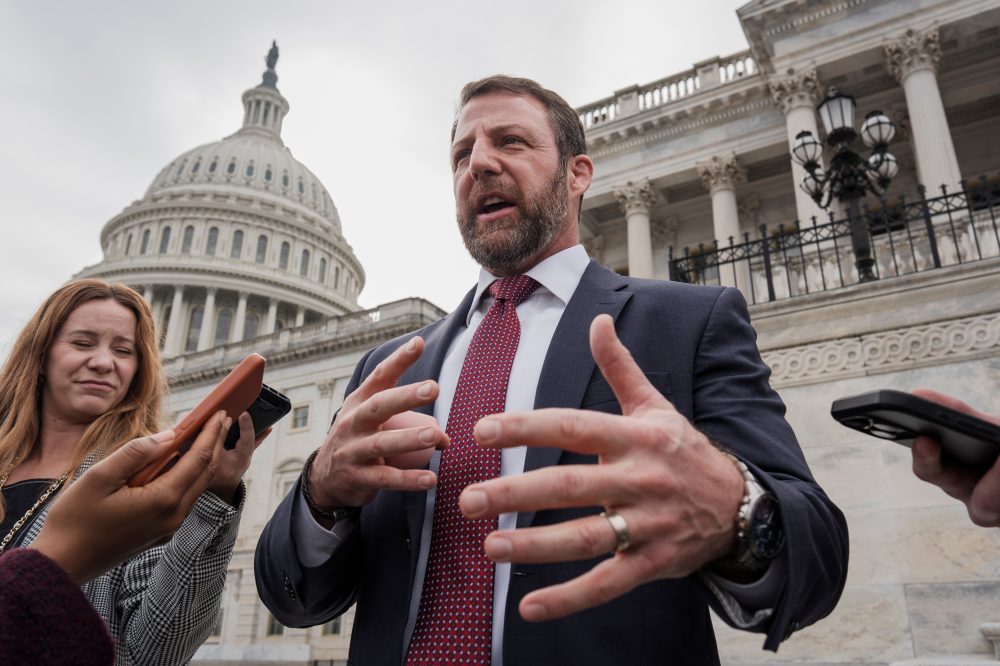
These moves signal that Homeland Security Secretary Markwayne Mullin is shifting away from the stricter policies implemented by his predecessor, Kristi Noem, who was dismissed from her DHS leadership role.
Mullin quickly overturned Noem’s requirement that her office approve any DHS spending exceeding $100,000 and has authorized the release of more than $1 billion in delayed FEMA grants and reimbursements to states, tribes and territories since taking office last month.
A FEMA representative told The Associated Press that while the agency doesn’t discuss individual personnel matters, it is implementing “targeted steps to stabilize our workforce and strengthen readiness” in preparation for the 2026 Atlantic hurricane season and the FIFA World Cup, both starting in June.
“Under new leadership, FEMA is addressing outstanding personnel actions to ensure workforce stability and a strong, deployable surge force for upcoming national events and potential disasters,” the representative stated.
The $100,000 spending approval requirement was among several policies criticized in the protest letter, which was made public on August 25 of last year. Additional concerns included DHS’s decision to transfer some FEMA workers to Immigration and Customs Enforcement, the failure to name a qualified FEMA administrator as required by law, and reductions to mitigation programs, preparedness training and FEMA staffing.
The letter also demanded that FEMA be removed from DHS oversight and returned to Cabinet-level status.
Just one day after the letter became public, the 14 staff members were placed on indefinite paid suspension. They returned to work briefly in early December only to be suspended again after a single day. A DHS representative at that time blamed “bureaucrats acting outside of their authority” for the temporary reinstatement.
McIlraith, 24, said that experience made her somewhat cautious about whether their return would be permanent this time. Still, she was back at her FEMA office in Maryland on Thursday, waiting to regain access to her work equipment. She described her time away as “a waste of taxpayer dollars.”
When questioned by Democratic Sen. Andy Kim of New Jersey about the suspended workers’ situation during his Senate confirmation hearing last month, Mullin stated that whistleblower retaliation is illegal and promised to operate “within the law.”
The potential contract extensions announced this week will affect some members of FEMA’s Cadre of On-Call Response/Recovery Employees, or CORE, which comprises roughly half of the agency’s workforce. More than 10,000 CORE employees work under limited-term assignments lasting two to four years, a structure that allows the agency to expand and contract its capabilities as circumstances require.
FEMA suddenly stopped renewing some CORE employee contracts at the beginning of 2026 as they came due, while extending others for only 90 days. A current lawsuit challenges the dismissal of hundreds of CORE staff between that time and late January, when FEMA halted the non-renewals.
A message sent to some employees this week stated that COREs whose contracts expire between January and May 2026 and were previously given 90-day extensions “may be reappointed for up to one year,” along with those whose agreements end after May.
The message also indicated that “eligible” FEMA reservists will receive two-year renewals. The agency’s 7,000 reservists in the emergency response workforce have contracts ending May 2.
“Our readiness directly impacts our ability to help Americans in need,” the message stated, “and every employee plays a critical role in meeting these challenges.”
While FEMA hasn’t confirmed whether it will rehire CORE workers whose contracts weren’t renewed, a FEMA employee with knowledge of the situation told The Associated Press that at least one CORE has been recalled. The employee asked for anonymity because they weren’t authorized to speak with media.
McIlraith said her concerns about FEMA’s future remain as the agency continues functioning without a permanent administrator and recovers from the record-length DHS shutdown that concluded Thursday.
Trump signed legislation Thursday that funds all DHS operations except immigration enforcement. The bill will restore FEMA’s declining disaster fund with more than $26 billion.
The president has frequently criticized FEMA and has even suggested eliminating it entirely. Next week, the Trump-appointed FEMA Review Council will deliver its highly anticipated and overdue recommendation report. It is expected to suggest major changes to the agency.