
Federal authorities have distributed all designated security funding for the upcoming World Cup, though the Department of Homeland Security shutdown continues to create obstacles for event preparation, according to testimony delivered to senators on Wednesday.
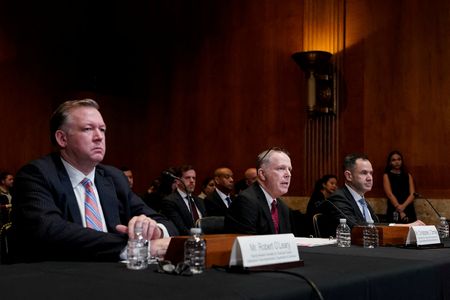
Christopher Tomney, who leads the DHS Office of Homeland Security Situational Awareness, informed the Senate Appropriations Committee that coordination efforts have faced significant setbacks. “A lot of the planning efforts underway for the World Cup have been slowed down, have been delayed due to the lapse in appropriations, individuals being furloughed,” Tomney stated during his testimony.
Security concerns for the international soccer competition have intensified following intelligence reports from last month that highlighted potential threats from extremist groups and criminal organizations targeting the event. Officials had previously raised concerns about delays in releasing approved security funding.
According to Tomney’s testimony, the Federal Emergency Management Agency has successfully distributed the complete $625 million budget designated for tournament security measures. The expanded 48-team competition represents one of the planet’s largest sporting spectacles and will take place during June and July across venues in the United States, Canada, and Mexico.
“All the funding has been released now. FEMA GO is up and operational,” Tomney confirmed, referencing the emergency management agency’s grant distribution platform.
The Department of Homeland Security has remained shuttered for more than two months as congressional representatives remain deadlocked over funding legislation following President Donald Trump’s immigration enforcement initiatives. Trump issued an executive order this month ensuring compensation for all DHS personnel.
When senators pressed for specific examples of how the shutdown has compromised event organization capabilities, Tomney highlighted the exodus of numerous transportation security personnel from the Transportation Security Administration.
“We just can’t replace that expertise overnight. It has hindered our coordination with state and locals,” he explained to committee members.