
NEW HAVEN, Connecticut – A top Federal Reserve official expressed concerns Thursday that military operations in Iran are creating greater inflation pressures for the U.S. economy.
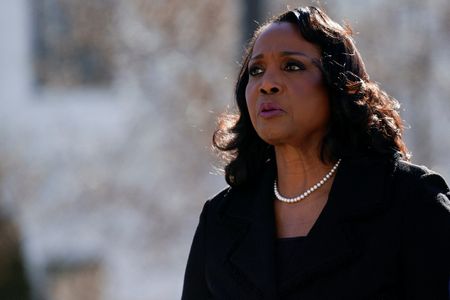
Speaking at Yale School of Management, Fed Governor Lisa Cook explained that the ongoing conflict has altered the central bank’s outlook on balancing price stability with employment goals.
“I see the balance of risks as being largely, on net, in balance, but I would argue that the inflation risk is greater right now as a result of the Iran war,” Cook stated during the event.
Regarding employment conditions, Cook noted: “With respect to the labor market, I see it as being in balance, but precariously so.”
Cook joins other Federal Reserve officials who have expressed worry that the military campaign launched February 28 by the United States and Israel against Iran could drive inflation rates higher than the Fed’s 2% goal.
According to Cook, tariffs implemented under President Donald Trump had already slowed progress toward reaching inflation targets over the past year, and the current conflict “takes us even further away.”
International oil markets have experienced significant volatility, with prices climbing from approximately $75 per barrel in late February to over $100 this month. The surge follows Iran’s effective blockade of roughly one-fifth of global petroleum shipments through the crucial Strait of Hormuz.
The Federal Reserve maintained its key interest rate between 3.50%-3.75% at last week’s meeting, with most officials previously anticipating a possible quarter-point reduction by year’s end. However, rising oil costs and uncertainty about the conflict’s duration have prompted bond markets to push interest rates higher, with futures markets now indicating virtually no possibility of rate cuts this year.