
Pakistan’s Deputy Prime Minister and Foreign Minister Ishaq Dar confirmed Thursday that his country continues facilitating secret communications between the United States and Iran, even after Tehran publicly dismissed a 15-point American ceasefire proposal on Wednesday.
Writing on X, Dar stated that Pakistan is actively serving as a conduit for messages between Washington and Tehran, with the U.S. having presented a 15-point framework that Iran is now reviewing. He criticized what he called “unnecessary speculation” in media reports about the peace negotiations aimed at resolving the ongoing Middle Eastern conflict.
Dar emphasized that other nations including Turkey and Egypt are also backing the diplomatic initiative. He reaffirmed Pakistan’s dedication to fostering peace through all available means, stating that conversation and diplomatic solutions represent the only viable path forward.
The foreign minister’s social media post tagged key officials including U.S. Secretary of State Marco Rubio, Iranian Foreign Minister Abbas Araghchi, and Steve Witkoff, the U.S. special envoy for the Middle East.
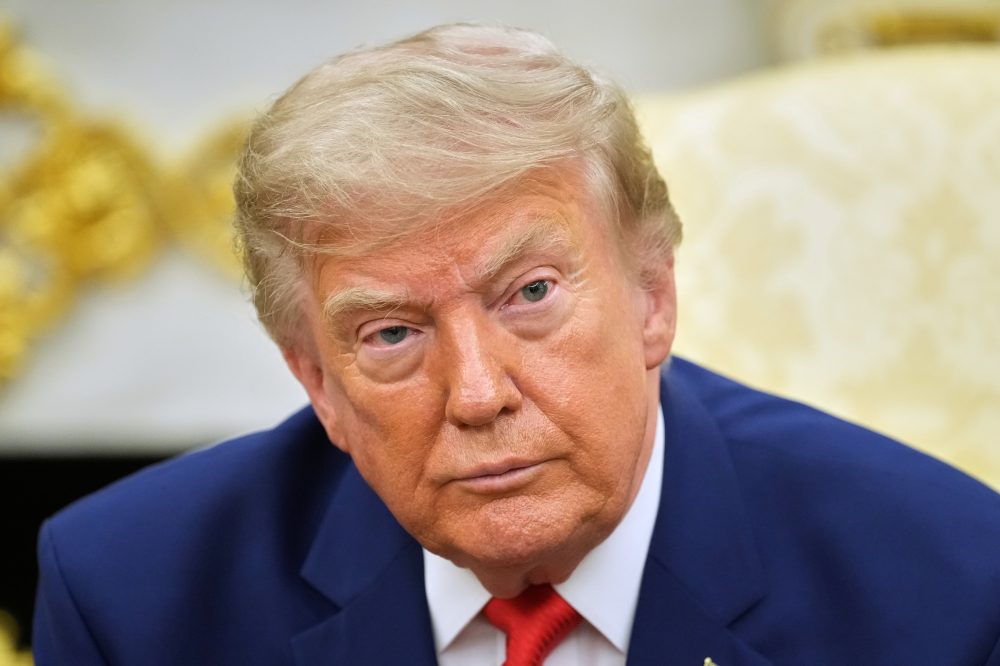
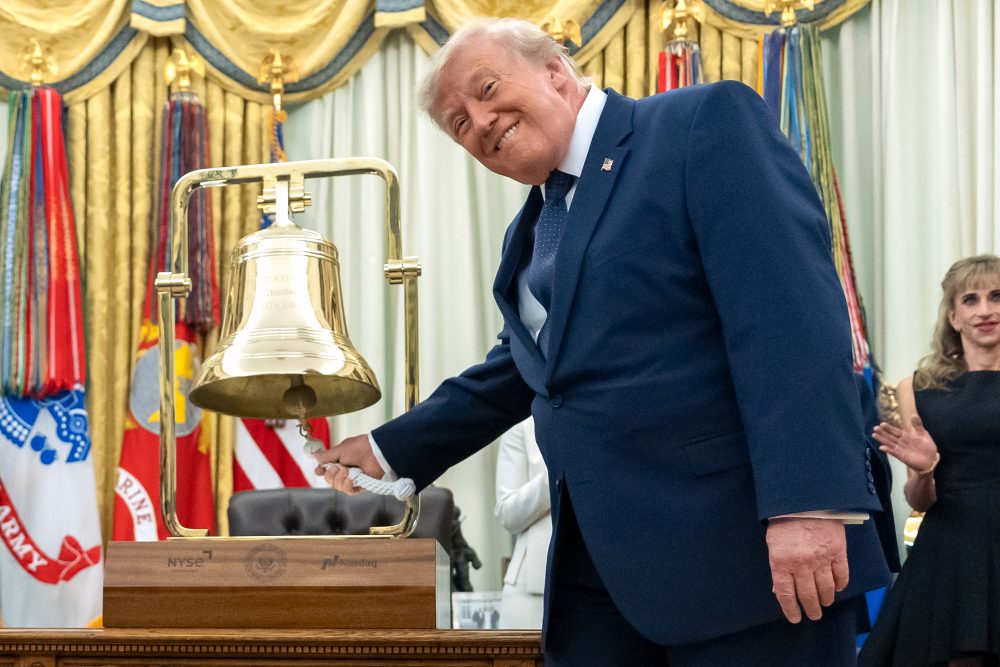
Speculation about U.S.-Iran negotiations first surfaced Monday when Donald Trump posted on Truth Social that discussions were ongoing between the two nations and that plans for potential strikes against Iranian power facilities had been postponed.
Shortly afterward, reports emerged indicating that indirect communications were occurring through Pakistani mediation.
On Tuesday evening, Prime Minister Shehbaz Sharif posted on X: “Subject to concurrence by the US and Iran, Pakistan stands ready and honored to host and facilitate meaningful and conclusive talks for a comprehensive settlement of the ongoing conflict.”
President Trump subsequently shared Sharif’s statement on Truth Social, sparking speculation that Washington might be receptive to Pakistani-facilitated negotiations.
According to sources, Pakistani officials have conducted phone conversations with both Iranian and American presidents within the last 72 hours.
The White House acknowledged to the BBC that Trump spoke with Pakistan’s Asim Munir, though no additional information was released.
Prime Minister Sharif also held a telephone conversation with Iranian President Masoud Pezeshkian, stressing the importance of lowering tensions “through dialogue and diplomacy.”
The Iranian news agency Tasnim reported that Iran has officially responded to the American 15-article proposal, with Tehran’s answer delivered through intermediaries Wednesday night. Iran now awaits Washington’s reaction.
According to Tasnim, Iran’s response outlined several demands: an end to assassination operations, concrete measures to prevent future warfare, guaranteed compensation and war reparations, and cessation of hostilities across all fronts involving regional resistance groups.
Iran also insisted that its sovereignty over the Strait of Hormuz represents a natural and legal right that must be acknowledged, Tasnim reported.
Experts suggest Pakistan’s strong relationships with both Washington and Tehran make it an effective and reliable mediator for resolving the dispute.
Diplomatic sources in Islamabad characterize Iran’s rejection of the U.S. 15-point ceasefire plan as merely a diplomatic strategy. Within hours, an Iranian Foreign Ministry statement acknowledged receiving the American proposal, followed by reports that Iran had transmitted its own requirements to Washington through intermediaries.
This has positioned Islamabad as the center of diplomatic efforts seeking an immediate ceasefire and lasting global peace. Following Pakistan’s formal offer to host negotiations, regional experts shared their perspectives on Islamabad’s role and the rapidly changing regional dynamics.
Political analyst Sajjad Azhar from Rawalpindi explained to The Media Line: “The Iranian regime now seeks both a seat at the negotiating table and face-saving, because at stake is not only its authority within Iran but also its influence over the global Shia population, including in the Middle East and Pakistan, which idealizes it.”
Azhar suggested that President Trump isn’t being completely transparent, conscious of his weakening domestic credibility, while Netanyahu aims to keep Israeli citizens uninformed.
“This creates an extremely delicate situation, with slim prospects for peace and a higher likelihood that, should negotiations fail, all three parties could drag the entire region into a survival struggle. There is also the danger—albeit uncertain—of prohibited weapons being used against Iran,” Azhar emphasized.
He observed that while Pakistan maintains neutrality, the United States seeks to involve it in the conflict.
“Even a minor misstep by Iran could make Pakistan a party to the dispute. With a defense agreement in place with Saudi Arabia, Islamabad faces a highly sensitive and precarious situation.”
Colorado-based security analyst Steven Radil told The Media Line that “Pakistan is well-positioned for the current moment for several reasons.”
“Despite its defense ties with Saudi Arabia, it is still viewed as relatively neutral among the warring parties, while its large Shia population creates a cultural linkage with Iran that few other potential mediators—such as Turkey, Egypt, or Gulf states—can match,” Radil explained.
“Pakistan also has its own economic incentives to press for an end to the war, which has disrupted its oil and natural gas supply chains,” Radil added.
Regarding regional signaling, Radil noted: “Pakistan’s reported strikes on the former US Bagram air base in Afghanistan could indicate [more] strategic alignment with Washington.”
He concluded: “More importantly, Islamabad may see mediation in the Iran conflict as a way to strengthen its position with the US, potentially gaining leverage in any future confrontation with India.”
Retired Colonel Asad Mehmood, an Islamabad-based security and geopolitical analyst, told The Media Line that “America of February 28 is not the same as the Washington of today and that the attack on Iran was a clear violation of international laws and principles, even during the negotiations that preceded the current war.”
Mehmood added that “the situation has changed dramatically, even within the US, opposition is growing among Trump and his closest allies. Unlike in Afghanistan, NATO is not backing the United States this time.”
He noted that observers suggest President Trump, apparently coordinating with Israel, may have taken this extreme step to divert attention from the Epstein Files scandal. Consequently, he said, the U.S. now stands largely isolated globally, with Israel appearing as its sole ally.
Mehmood further observed that “the Iranian people have never wanted to remain in a constant state of war, and for the first time, their nationalism is visible worldwide. Few expected such resilience, which has surprised the international community.”
Meanwhile, American citizens are questioning President Trump about the cost of his policies. While Iran hasn’t “won,” he noted, it has sustained significant losses and will need billions for reconstruction.
He stressed that “the key question now is what comes next. Pakistan holds a pivotal role as a mediator between Tehran and Washington.” According to Colonel Mehmood, the coming days will clarify the situation, and the U.S.-brokered ceasefire “is expected to be extended.”
He emphasized that Pakistan’s role is essential in ending the conflict and ensuring regional stability.
Reuters reported, citing a Pakistani official, that Israel had removed Iranian Foreign Minister Abbas Araghchi and Parliament Speaker Mohammad Bagher Ghalibaf from its target list.
The report indicated Pakistan had urged Washington not to target these individuals.
The official told Reuters that “Israel had their coordinates and intended to eliminate them. We conveyed to the United States that if they were also taken out, there would be no one left to negotiate with. Subsequently, the US asked Israel to step back.”
When asked whether Araghchi and Ghalibaf had been removed from an Israeli target list following Pakistani requests, Israeli military spokesman Nadav Shoshani said the military “has a rigorous process before every operation and every strike,” but added: “I’m not going to go into specific potential targets.”