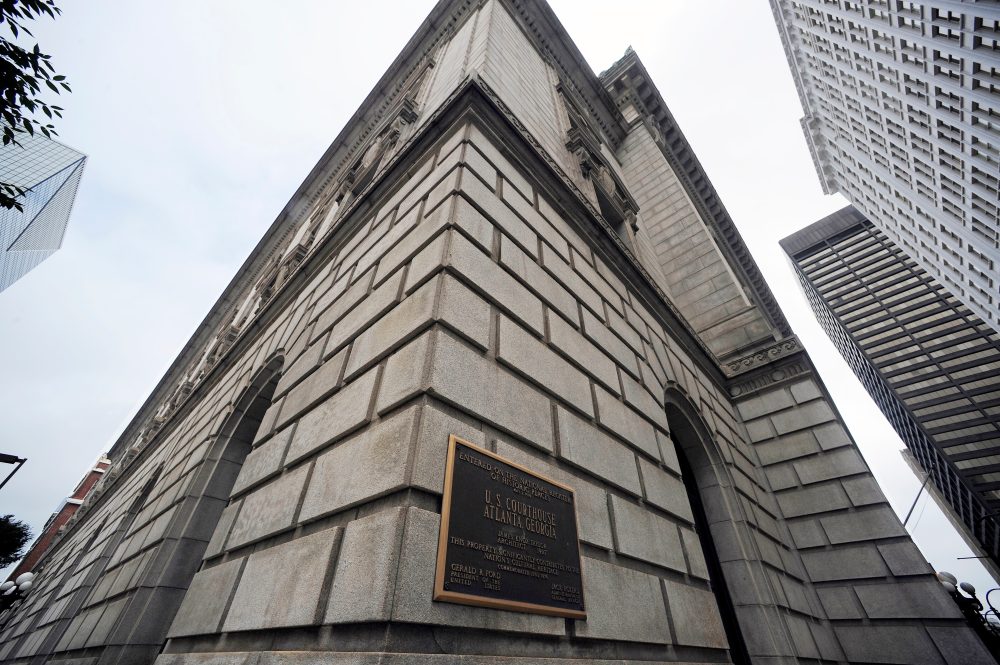

A federal judge conducted an extramarital relationship with a senior police officer — including engaging in sexual activity within courthouse chambers during working hours that court staff could hear — and initially denied the conduct before ultimately receiving only a confidential reprimand while staying in position, according to a judicial system investigation.
The 11th Judicial Circuit’s Judicial Council, covering Alabama, Florida and Georgia, issued a February ruling ordering the private reprimand. The United States Judicial Conference’s Committee on Judicial Conduct and Disability upheld that decision last week. Authorities did not reveal the judge’s identity or specific courthouse location within the circuit.
While federal judges serve lifetime appointments, they face potential disciplinary measures including censure, public or private reprimands, and temporary case suspensions. Congressional impeachment represents the only removal method.
The investigation determined the judge and the unnamed officer engaged in “sexual intercourse in the judge’s chambers during business hours within hearing distance of staff” and that the judge attended a partisan political gathering. Initially, the judge called these claims “outrageous” and rejected them entirely.
When deciding on the confidential reprimand that protected the judge’s anonymity, the committee considered that the judge withdrew her false denials. The committee also determined the judge would probably not repeat such behavior, noting the relationship had ended and the judge promised to avoid partisan political activities going forward. The committee additionally weighed the judge’s “otherwise exemplary service to the court.”
“Although the special committee is deeply troubled by the conduct in which the judge engaged, the Subject Judge has demonstrated a strong propensity for rehabilitation and continued diligent service to the judiciary,” the committee’s report says.
Lester Tate, an attorney who frequently represents Georgia judges facing state judicial system misconduct charges, characterized the penalty as a “slap on the wrist.”
“I’m shocked that there was not a more severe punishment for the false statements that were made by this judge during the course of the investigation,” he said, adding that he always advises his clients that it is best to tell the truth.
Someone with a lifetime appointment who judges others must be truthful about their own shortcomings, and most people would probably consider “being held up for a little public scorn” fitting in this situation, Tate said.
The investigation began when one of the judge’s law clerks reported the judge had participated in sexual conduct with an officer repeatedly in the judicial office. Additional allegations included improper clerk supervision and an incident where the judge shouted and used profanity toward staff members.
William Pryor, the 11th Circuit’s chief judge, requested the judge address these allegations. The judge responded immediately and “specifically denied” every claim. In a subsequent email the following day, the judge suggested to Pryor that the law clerk might have fabricated the allegations as revenge for mandatory office work requirements. Pryor formed a special investigative committee.
The committee’s examination of entry logs and security recordings revealed an officer had regularly visited the judge’s chambers wearing uniform during lunch periods. Six clerks recalled observing someone matching the officer’s appearance, with three remembering hearing what could have been sexual activity from the judge’s office.
Three clerks remembered bringing summer interns on their initial day to observe the judge conducting a criminal case hearing. Immediately afterward, they informed the committee, the judge refused to have lunch with the interns, admitting to consuming too many martinis the previous evening at a primary election celebration for a district attorney friend.
The clerks reported the judge failed to provide adequate guidance and “rarely, if ever, substantively edited civil orders the clerks drafted.” While clerks described an “eggshell culture,” the committee found no evidence of abusive conduct.
The judge eventually confessed to maintaining an extramarital sexual relationship with the officer but rejected the staff mistreatment allegations, the committee documented. The judge acknowledged attending a “mixer” for former district attorney’s office employees, where the judge previously worked, but claimed it occurred in a separate room from the victory celebration.
The judge also agreed to compose apology letters to six former law clerks, decline the district chief judge position when eligible, and avoid serving on any Judicial Conference committees.