
WASHINGTON — A federal judge is pressing the Defense Department to explain why its new testosterone treatment initiative for troops is fundamentally different from the hormone care that transgender service members receive — care that is currently banned under the president’s executive order.
U.S. District Judge Ana Reyes in Washington raised the question Wednesday during proceedings in an active lawsuit challenging President Donald Trump’s ban on transgender troops. Reyes pointed to language in the ban stating that “the Armed Forces must adhere to high mental and physical health standards … without the benefit of routine medical treatment or special provisions.”
The judge directed both sides in the case to explain “the similarities and differences in administering TRT, both medically and logistically, for trans men compared to other service members, including cis individuals” — using the acronym for testosterone replacement therapy.
Reyes also asked the Pentagon to provide its “basis for treating trans men and other service members differently between this new policy and the Military Ban.”
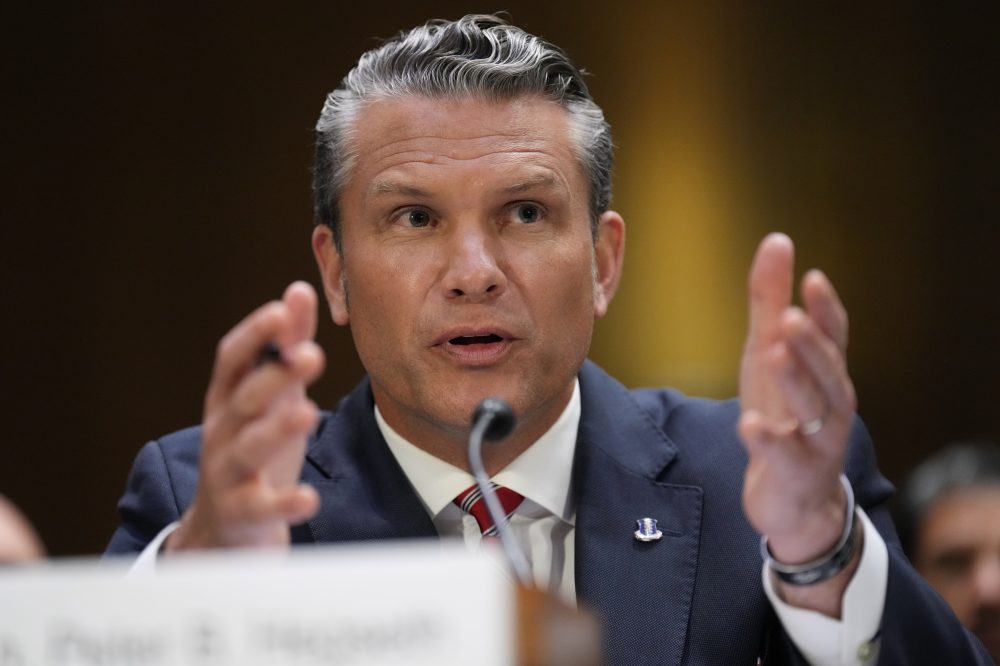
The order follows Defense Secretary Pete Hegseth’s announcement last week that he is launching a new screening program targeting “testosterone deficiency” among troops, describing it as essential for allowing service members to perform at their “absolute best.”
Under the program, annual screenings will be incorporated into required medical checkups for service members aged 30 and older. Those under 30 may choose to be tested voluntarily. In a social media video, Hegseth said that receiving testosterone replacement therapy itself would also be voluntary.
Other officials within the Trump administration have also begun pushing for broader male access to testosterone replacement therapies, though the messaging from Hegseth and others mixes established science with broader claims that are less supported by evidence.
It is well established that testosterone levels in men naturally decrease with age and have been associated with issues including erectile dysfunction, reduced libido, mood shifts, and weight gain. However, medical experts have long debated the proper way to diagnose these conditions and whether hormone replacement is the appropriate treatment.
Judge Reyes, who was nominated by President Joe Biden, is presiding over one of several lawsuits contesting Trump’s transgender troop ban. A group of transgender active-duty service members and former service members hoping to reenlist filed the suit in late January 2025, shortly after the president began his second term.
Reyes previously ruled against Trump’s executive order barring transgender troops. A divided federal appeals court panel later returned the case to her after partially upholding her earlier ruling, determining the ban was unlawful and that service members who had filed suit could not be removed from service.
Reyes has since granted the case class-action status, meaning any final ruling could affect all military service members in similar situations.
Despite the ongoing legal battles, Trump’s transgender military ban remains in force. The U.S. Supreme Court has permitted the Pentagon to continue enforcing it while the litigation proceeds.