
Federal environmental officials announced Thursday their intention to add microplastics and pharmaceutical drugs to an official watchlist of drinking water contaminants, marking the first time these substances would receive such designation and potentially paving the way for future regulatory limits on water systems.
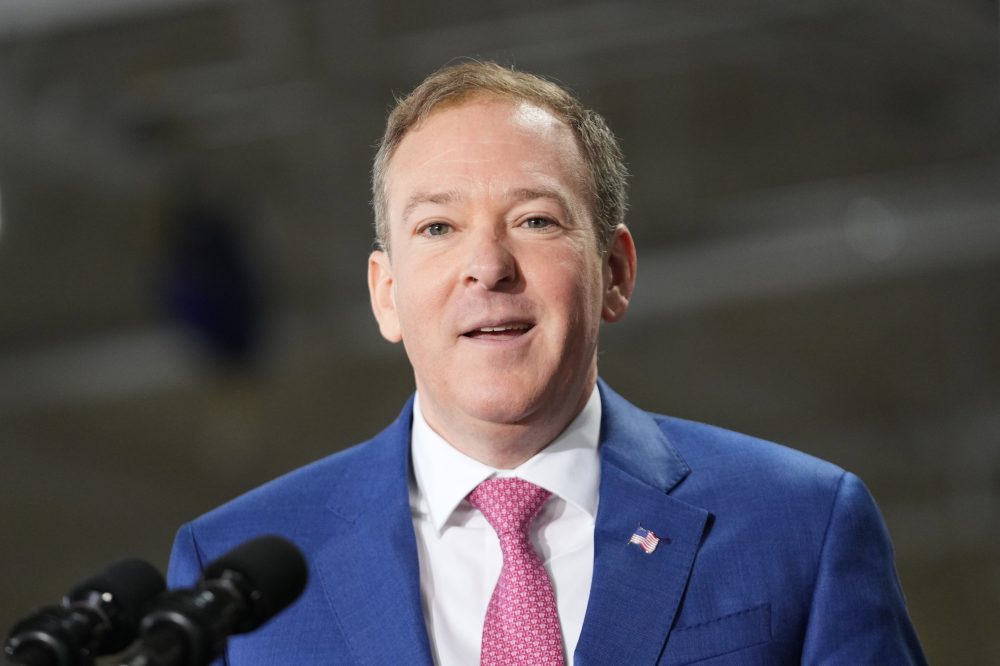
EPA Administrator Lee Zeldin stated the agency is addressing public concerns about plastic particles and drug residues appearing in tap water. The announcement also serves to support Health Secretary Robert F. Kennedy Jr.’s MAHA initiative, which has been advocating for stricter environmental contamination controls for several months.
The agency’s Contaminant Candidate List tracks pollutants in drinking water that currently fall outside Safe Drinking Water Act regulations. Officials are releasing the sixth draft version of this list, triggering a 60-day period for public input, with final approval expected by mid-November.
Research has documented microplastic presence in drinking water supplies and human organs including hearts, brains and reproductive tissues. Medical experts and researchers continue evaluating potential health risks, though they acknowledge legitimate reasons for concern. Similarly, pharmaceutical compounds entering water systems through human waste pose growing challenges, as standard treatment facilities cannot effectively filter these substances.
While the EPA utilizes this list for research priorities, funding decisions and regulatory planning, the agency seldom advances pollutants from the list to establish actual concentration limits in public water supplies. In March, officials announced they would not create regulations for any of nine pollutants from their most recent review cycle.
“It’s the beginning of a very long process that routinely ends in nothing,” said Erik Olson, a senior attorney at the Natural Resources Defense Council who works on drinking water protection.
However, advocates pushing for stronger plastic pollution controls view the announcement positively.
“Including it in the list would be the first step toward eventually regulating microplastics in public water supplies and hopefully this is not the last step,” said Judith Enck, a former EPA regional administrator who now heads up Beyond Plastics.
Dr. Philip Landrigan, director of the Global Observatory on Planetary Health at Boston College, acknowledged the EPA’s positive direction but warned that without controlling accelerating plastic manufacturing growth, which drives pollution, these efforts will have minimal impact. The United States participates in international negotiations for a global plastic pollution treaty but maintains strong opposition to production restrictions.
Food & Water Watch praised the listing while noting it doesn’t meet their monitoring demands. The EPA employs its Unregulated Contaminant Monitoring Rule to gather information on suspected drinking water pollutants.
This collaborative effort between Kennedy and Zeldin emerges as MAHA movement activists have established tentative political relationships with the EPA while voicing disappointment over delayed action on their priorities, particularly pesticide oversight.
The movement faced controversy earlier this year regarding President Donald Trump’s executive order partially aimed at increasing production of glyphosate, a disputed herbicide component. Kennedy expressed disappointment with the directive but acknowledged its necessity for agricultural stability and national security.
EPA officials have previewed an upcoming MAHA agenda addressing forever chemicals, plastic contamination, food standards, Superfund site cleanups and lead pipe replacement. In February, EPA press secretary Brigit Hirsch informed The Associated Press the agenda was nearing completion.
The Safe Drinking Water Act’s 1996 amendments require EPA publication of the Contaminant Candidate List every five years. Subsequently, the agency must evaluate whether to regulate at least five listed contaminants. Across five review cycles, EPA has determined regulatory action was unnecessary or inappropriate for most examined pollutants.
Trump has advocated for reduced environmental regulations. Last May, EPA announced intentions to eliminate restrictions on certain less common “forever chemicals” in drinking water, approximately one year after the Biden administration established the nation’s first comprehensive standards. The NRDC and fellow environmental organizations are working to preserve the complete Biden-era regulation.
The updated draft list encompasses four contaminant categories — microplastics, pharmaceuticals, PFAS and disinfection byproducts — plus 75 individual chemicals and nine microorganisms potentially present in drinking water supplies, according to EPA officials.