
Americans are growing more anxious about inflation in the short term, even as they see some relief ahead on gas prices and feel better about their own financial health, according to a Federal Reserve Bank of New York report released Tuesday.
The bank’s Survey of Consumer Expectations found that respondents in June anticipated inflation one year from now would reach 3.7%, up from 3.5% in May. That marks the highest level recorded since September 2023.
Looking further out, three-year inflation expectations rose to 3.3% from 3.1% in May — the highest that reading has been since June 2022. The five-year inflation outlook, which central bank officials pay the closest attention to, stayed flat at 3%.
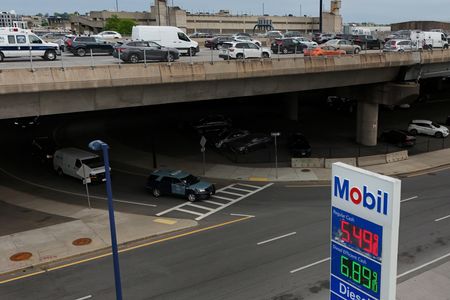
The uptick in near-term concerns comes against a backdrop of elevated inflation driven in large part by a surge in energy costs tied to the ongoing Middle East conflict. The overall personal consumption expenditures price index rose 4.1% in May compared to the same month a year earlier, accelerating from April’s 4.8% gain. The conflict disrupted the movement of key energy supplies and other goods, pushing up prices for gasoline and diesel on top of inflation that was already running above the Federal Reserve’s 2% target.
However, there are signs that the worst may be over. The most intense phase of the conflict appears to have subsided, and energy prices have begun to pull back. Speaking in a television interview Tuesday, New York Fed President John Williams acknowledged that “inflation is still too high,” but added, “I do feel a little bit more positive about the near-term inflation outlook because of the energy price declines that we’re going to see.”
Fed officials pay close attention to public inflation expectations because they believe consumer sentiment about future prices has a direct influence on where prices actually go. Officials have taken some comfort in the stability of longer-term expectations, which suggests most Americans still believe inflation will eventually return to the Fed’s target.
At his first press conference as Fed Chairman, Kevin Warsh said last month, “I am pleased to report that members of the [Federal Open Market Committee] are unambiguous and unanimous: This Committee will deliver price stability.”
The Fed held its benchmark interest rate target steady at its June meeting, keeping it in a range between 3.5% and 3.75%. Still, several central bank officials indicated they may support rate increases later in the year if inflation pressures persist.
On a more encouraging note, the New York Fed survey found that consumers’ expectations for gasoline price increases have eased, falling to a level not seen since August 2022. Respondents also reported improved views on the job market and expressed greater optimism about both their current and future personal finances, though opinions on credit availability were more mixed.