
WASHINGTON – Jerome Powell’s eight-year run as Federal Reserve Chair comes to an end Friday, and while he navigated major economic crises, his most lasting contribution may be how he rebuilt the central bank’s ties with lawmakers on Capitol Hill.
During his tenure, the former lawyer and private equity investor had to master the same crisis management skills as his predecessors – cutting interest rates to near zero and purchasing bonds at unprecedented levels during the COVID-19 pandemic, then raising rates at the steepest pace in 40 years to combat subsequent inflation. He also revised the Fed’s policy framework twice and communicated with the public more frequently than any previous central bank leader.
However, what distinguished Powell from past chairs was his systematic effort to strengthen relationships with elected officials in Congress. As someone with a background in Washington dealmaking, Treasury work, and think tank analysis before joining the Fed, building these connections may have come more naturally to Powell than to predecessors like Janet Yellen and Ben Bernanke, despite their advanced academic credentials.
Powell’s approach went beyond simple networking. He viewed Congress as the Fed’s primary source of oversight and accountability. After clashing with President Donald Trump early in his chairmanship, he also saw lawmakers as the main defense against attempts to compromise the Fed’s independence in making economic and interest rate decisions.
Research conducted by University of Maryland assistant economics professor Thomas Drechsel, analyzing publicly available meeting schedules, revealed that Powell engaged with Hill members much more aggressively than Yellen and Bernanke. The frequency of meetings with House and Senate members from both parties peaked during Trump’s presidency.
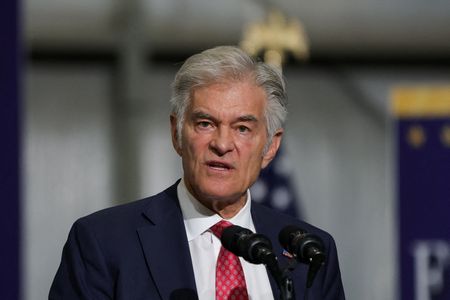
Kevin Warsh, the incoming Fed Chair who also has a legal background, is similarly praised for his diplomatic abilities and may adopt a comparable strategy, especially as protection should Democrats gain congressional control and assume leadership of key Fed oversight committees.
Not everyone became Powell’s ally through this approach. Ohio Republican Bernie Moreno remained a harsh critic after appearing before the Senate Banking Committee in 2025, stating that his two meetings with Powell last year didn’t change his opinion that Powell “is hyperpolitical … and it hurt the Fed in a gigantic way,” echoing sentiments common among Trump supporters.
Nevertheless, Drechsel argues the data tells a compelling story, particularly regarding recent events when important senators supported Powell during his conflict with the Trump administration over a criminal investigation that was ultimately dropped.
Specifically, Powell met 11 times with North Carolina Republican Senator Thom Tillis during his tenure, according to Drechsel’s analysis. When pressure intensified on Powell, Tillis blocked Warsh’s nomination until the administration abandoned the probe.
“It was systematic,” Drechsel explained regarding Powell’s legislative outreach. “Maybe it was just natural given Powell’s background. Bernanke and Yellen were academics…But given the political environment it was noteworthy that he interacted so much…One interpretation is that Powell actively worked with Congress perhaps to protect the Fed.”