
NEW YORK — A tentative agreement to end the Iran war has people wondering how soon they’ll see lower prices for gasoline, groceries, airline tickets, and other goods that became more expensive during the conflict. Economists and industry analysts say don’t hold your breath.
Even as oil begins moving again from the Middle East, it could be a significant amount of time before shoppers notice any difference at the fuel pump, the supermarket, or anywhere else they spend their money, according to experts who follow these markets closely.
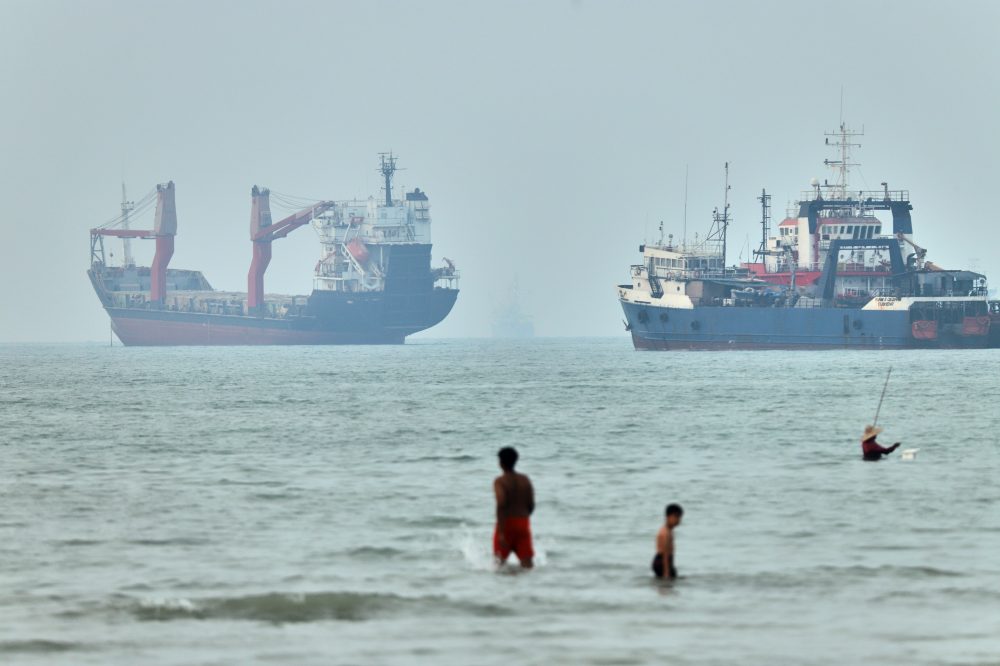
Combat over the Strait of Hormuz threw a wrench into the supply of both crude oil and refined fuel, as well as the broader supply chains for fertilizer, food, and even shoes. Businesses are bracing for elevated costs to stick around — and that means their customers may have to as well.
“It is not clear, despite three months of war, that anything has been achieved that makes the American consumer better off,” said Brett House, an economist who teaches at Columbia Business School. “In fact, by almost any measure, not just the American consumer, but the world, is worse off as a result of this attack.”
If the agreement between the U.S. and Iran holds, here is how experts see the war’s impact fading — or not — in the coming weeks:
Following news of the tentative deal, oil prices dropped Monday to roughly $80 per barrel for U.S. benchmark crude. That’s compared to $67 per barrel before hostilities began and a peak of more than $120 per barrel during the height of the conflict.
Refineries typically purchase crude oil a month or more ahead of time, meaning even after oil prices decline, they won’t immediately be working with cheaper raw materials.
“The tendency of gasoline prices to fall slowly is partly because the raw material takes weeks to work through the system until it’s delivered to consumers,” said Michael Lynch, a distinguished fellow at the nonpartisan Energy Policy Research Foundation.
In regions that don’t have enough refining capacity to meet local demand — such as the West Coast of the United States — gas prices will be slower to come down, according to Mark Barteau, a professor of chemical engineering and chemistry at Texas A&M University.
In parts of Asia and Africa that depend heavily on Middle Eastern oil, the supply disruption led to school and government office closures and directives for people to work from home, according to the International Energy Agency.
“The bottom line is that getting back to ‘normal’ will be a lengthy process involving many parties and countries,” Barteau said. “Getting an agreement between the U.S. and Iran to open the strait is just the beginning.”
Travel industry experts have spent months cautioning that even a war’s end wouldn’t mean immediate drops in airfare. Airlines tend to purchase jet fuel well in advance, make scheduling changes gradually, and set ticket prices largely based on passenger demand — all of which means it could take weeks or months before cheaper fuel costs show up in what travelers pay.
“I think it’s unlikely that we’re going to see a retreat or reduction in the cost of flying at any point this summer,” said Columbia’s House.
Fuel surcharges that some international airlines added during the conflict may be among the first things passengers see removed, according to Gordon Ho, a professor at the University of Southern California’s business school.
“Consumers are going to say, ‘Wait a minute, why are you still charging me a fuel surcharge?’” Ho said.
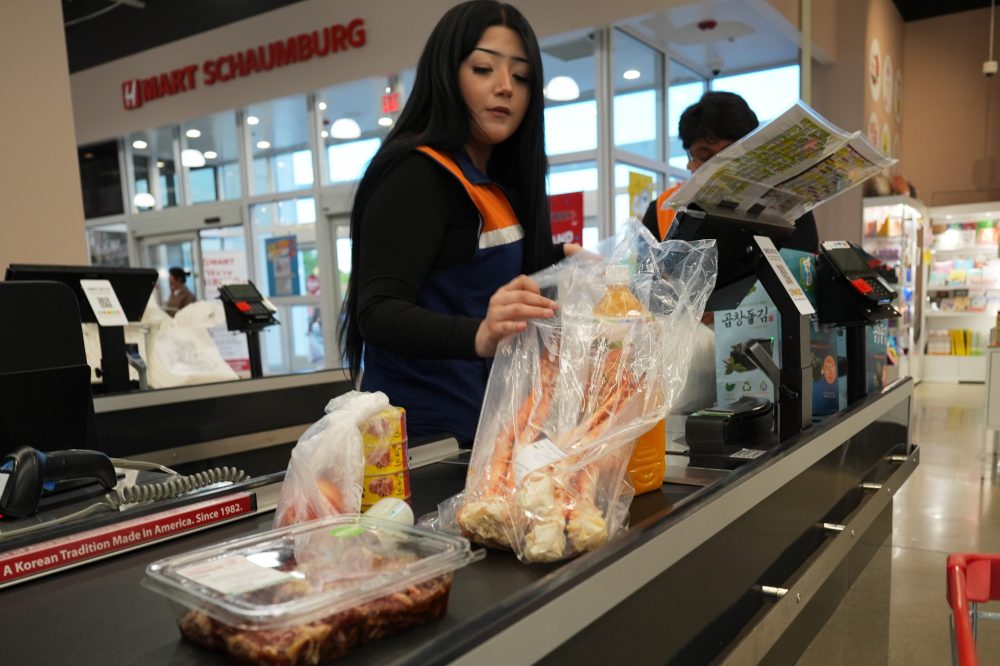
Reopening the strait is not expected to bring fast relief to grocery shoppers either, according to David Ortega, a professor of food economics and policy at Michigan State University.
Fuel makes up roughly 15% to 30% of the total cost of food, according to the Independent Grocers Alliance, which represents 7,500 supermarkets around the world.
But energy shocks like the one triggered by the Iran war can take months to ripple through the food supply chain and push grocery prices higher. And once prices climb, they tend to be slow to fall back down — particularly when the future remains uncertain, Ortega noted.
“We’re likely still looking at inflationary pressure on food in the coming months,” Ortega said. “There’s still a good deal of uncertainty about how the reopening will unfold, and it will take time for fuel, diesel and retail fertilizer prices to come back down.”
Rabobank, headquartered in the Netherlands, projected that war-related food price inflation in Europe would peak sometime next year. In the United States, grocery prices are expected to climb 3.2% this year, compared to a historical average of 2.6%, according to the U.S. Department of Agriculture.
Reopening the Strait of Hormuz would also bring welcome news to farmers worldwide. Before the war, roughly 30% of the world’s fertilizer supply passed through that waterway. Prices spiked sharply when those shipments were cut off, and it will likely take a long time for deliveries to return to pre-war levels.
The fertilizer shortage hitting farmers right now could have even deeper consequences down the road. Many growers around the world are entering planting seasons without adequate fertilizer or are paying extremely high prices for both fertilizer and fuel needed to grow and move their crops. The United Nations’ World Food Program anticipates this will have a “devastating impact” on crop yields — and, in turn, on food prices and availability — for months to come.
U.S. shoe retailers were encouraged by falling gasoline prices, hoping that would leave Americans with more cash for back-to-school purchases, said Andy Polk, senior vice president of the Footwear Distributors and Retailers of America trade group.
However, shoe companies expect their own costs to remain elevated for the foreseeable future, Polk said. Member companies typically carry two to three months of finished inventory, but their next rounds of orders may come with suppliers charging more for materials. Polk said he expects shipping costs to stay higher through the rest of 2026 and into 2027.
U.S. tariffs imposed last year have made it harder for shoe retailers to absorb those higher costs or pass them along to shoppers, Polk noted. In May, footwear prices were 5.2% higher than they were during the same month a year ago, according to government data.
Judah Levine, head of research at the freight booking platform Freightos, said the Strait of Hormuz closure has affected roughly 2% to 3% of total global container ship traffic, but the broader impact of higher oil prices and supply disruptions has been felt across the entire shipping industry.
Josh Steinitz, chief strategy officer of the business logistics platform ShipStation Global, said consumers may notice higher shipping costs and more out-of-stock products online through the end of the year.
“I think fuel surcharges, which then flow into shipping costs, which then get passed along to consumers, are still going to be with us for quite sometime from many of the major carriers,” Steinitz said.