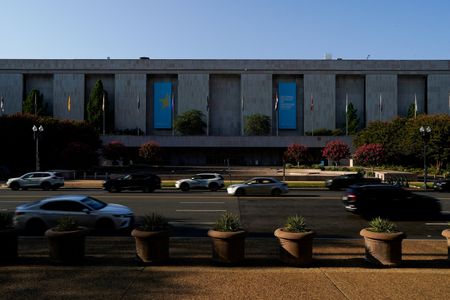

The leader of the Smithsonian Institution is pushing back against a White House report that took sharp aim at the National Museum of American History, saying the document does not fairly represent what the museum does.
Smithsonian Secretary Lonnie Bunch addressed the controversy in a memo sent to staff on Tuesday. “While there will always be room for improvement, this report is not a fair characterization of the work and totality of the National Museum of American History,” Bunch wrote. The Smithsonian confirmed the memo to Reuters on Wednesday, after the Washington Post first reported on it that same day.
The 162-page report, released on July 4 by the White House’s Domestic Policy Council, is titled “SAVING AMERICA’S STORY: How Ideological Capture at the Smithsonian Institution’s National Museum of American History Erases Our Heritage.” It accused the museum of harboring a belief that America has been “a fundamentally oppressive nation” since Columbus arrived in the New World, calling that attitude “thinly veiled anti-Americanism.” The report also claimed the museum had drifted toward “extreme political activism.”
Bunch said the institution is still going through the document. “We continue to review the report and its findings carefully,” he said.
Earlier this week, the Organization of American Historians — the largest group of U.S. history scholars in the country — came out against the report’s conclusions. The group said the White House was attempting to pressure Smithsonian leadership into presenting American history in a way that benefits the current administration. “In another example of executive branch overreach, the White House is seeking to coerce Smithsonian leadership to shape its presentation of U.S. history so that it serves the administration’s political agenda — part of an ongoing and multi-pronged assault by the Trump administration against accurate and evidence-based history in American public life,” the organization said in a statement.
President Donald Trump has made reshaping how U.S. cultural and historical institutions tell America’s story a central focus, targeting museums, monuments, and national parks in an effort he says is aimed at eliminating what he calls “anti-American” ideology. His executive orders and declarations have led to the removal of slavery exhibits, the return of Confederate statues, and other changes that civil rights advocates warn could roll back decades of social progress and diminish recognition of significant chapters in American history.
Trump signed an executive order last year specifically targeting the Smithsonian, calling for the removal of “anti-American ideology” from the sprawling museum and research complex. The White House also launched an internal review of several Smithsonian museums last year, and Trump indicated the institution could face the same scrutiny as universities whose federal funding was threatened over policies his administration opposed.
The Smithsonian, which has been in existence for 180 years and encompasses 21 museums and galleries as well as the National Zoo, receives the bulk of its funding from Congress but operates independently when it comes to decision-making.