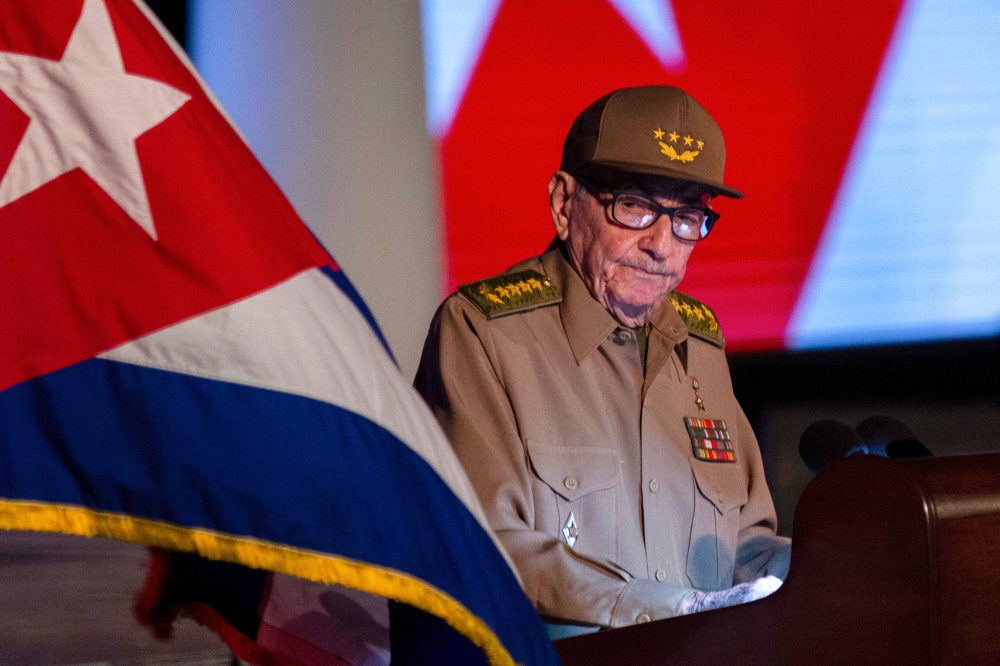

Federal prosecutors have filed criminal charges against former Cuban President Raúl Castro, accusing him of murder and conspiracy in the 1996 shooting down of two civilian aircraft flown by Miami-based Cuban exiles near the Caribbean nation.
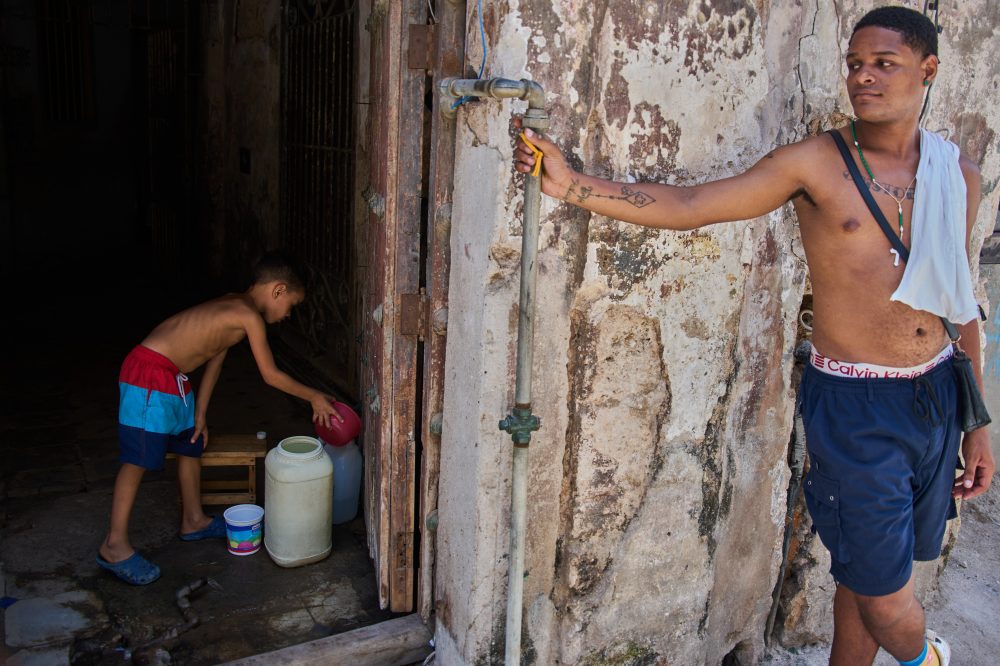
The charges represent part of increased pressure from the Trump administration on Cuba’s socialist leadership to open its markets to American businesses and distance itself from U.S. enemies. Meanwhile, a U.S. embargo on fuel and other essential supplies has led to widespread power outages, food scarcity and economic crisis across the nation.
At the time of the aircraft downing, Castro, who is now 94 years old, held the position of Cuba’s defense minister. The two small aircraft belonged to Brothers to the Rescue, an exile organization that had been releasing leaflets over Havana encouraging Cubans to rebel against their leadership. Soviet-manufactured military jets destroyed the two unarmed civilian aircraft, resulting in the deaths of all four men on board.
Here’s what to know about Castro, the indictment and the 1996 incident.
According to the indictment, Castro is charged with approving the use of lethal force against Brothers to the Rescue following the organization’s January 1996 flights that dropped pro-Democracy materials over Cuba. Federal prosecutors stated that Castro and his elder brother, Fidel Castro, who held the presidency then, made the final decisions regarding the kill orders.
The indictment alleges that in February 1996, Raúl Castro directed Cuban military leaders to begin preparation using Russian MiG fighter aircraft to locate, monitor and intercept the organization’s small aircraft near the nation’s coastline. On Feb. 24, the two aircraft were destroyed, resulting in the deaths of four U.S. nationals, including three American citizens. A third aircraft successfully fled.
The indictment names Castro along with five other individuals, including MiG aircraft operators. Castro faces charges of conspiracy to kill U.S. nationals plus multiple murder counts and aircraft destruction charges. The murder and conspiracy allegations carry maximum penalties of death or life imprisonment if convicted, though it remains uncertain whether Castro will ever appear in a U.S. legal proceeding.
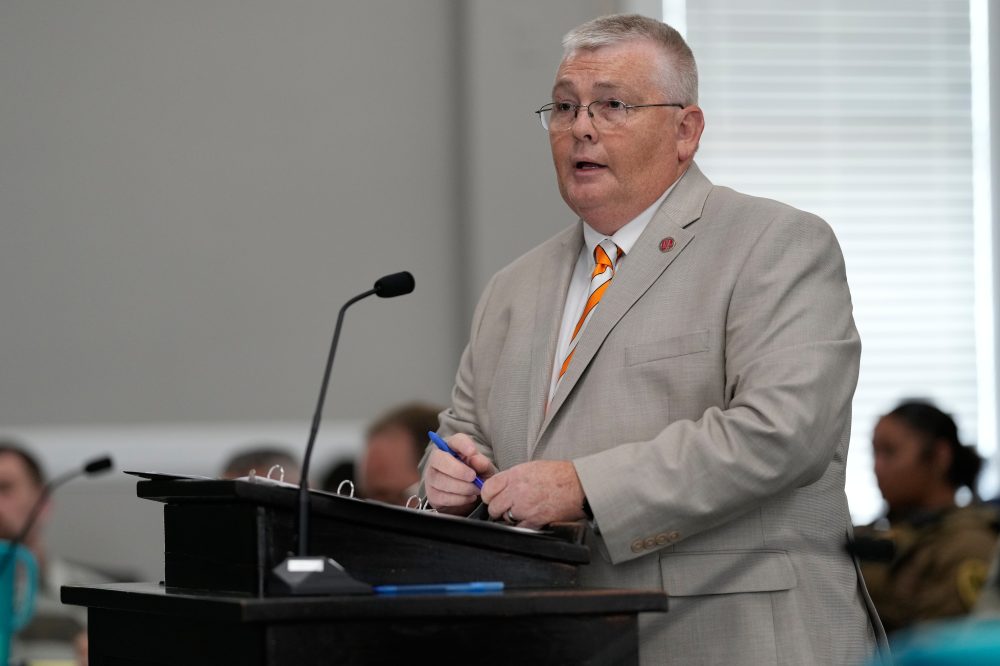
Acting U.S. Attorney General Todd Blanche, who revealed the indictment Wednesday in Miami, stated he anticipated Castro would come to the U.S. for trial, either “by his own will or by another way.”
Blanche explained that the federal government frequently charges individuals located outside the United States and employs various approaches to bring them before the courts.
Former Venezuelan President Nicolás Maduro was indicted on drug-related charges before he and his wife were seized by U.S. Special Forces in the Venezuelan capital in January.
Around 1:30 p.m. on Feb. 24, 1996, the three Brothers to the Rescue aircraft departed from an airport in Miami-Dade County, Florida.
While flying over international waters, beyond Cuban territorial airspace, two of the three unarmed Cessna aircraft were destroyed by the Cuban MiG operators without any advance notice, federal prosecutors stated. The MiG operators then pursued the third aircraft, which managed to avoid destruction, officials said.
However, a Cuban representative maintained at a United Nations Security Council session in late February 1996 that the two aircraft were breaching Cuban territorial airspace when destroyed and one civilian pilot had disregarded warnings against entering that airspace, according to Security Council documentation. The representative also claimed the U.S. failed to take adequate steps to prevent such airspace breaches by U.S. pilots, despite Cuban warnings.
Brothers to the Rescue originated in 1980, during the unexpected migration of 125,000 Cubans to the United States. The organization sought to assist Cuban refugees in the Florida straits by releasing supplies from small aircraft and notifying the U.S. Coast Guard throughout the months-long emergency.
Cuba’s current president, Miguel Díaz-Canel, criticized the indictment against Castro and accused U.S. authorities of misrepresenting the 1996 aircraft destruction. He described it as “a political action without any legal basis, that only seeks to bolster the case they are fabricating to justify the folly of a military aggression against Cuba.”
He posted on X that the aircraft destruction represented “legitimate self-defense” following repeated and dangerous breaches of Cuba’s airspace by “notorious terrorists.”
The Cuban government issued a statement declaring that the Cuban people completely support Castro. “Homeland or Death, We Will Prevail,” the statement said.
Marlene Alejandre-Triana, whose father, Armando Alejandre Jr, was among those killed in the 1996 shootdown, called the charges “long overdue.” She said her father only wanted to bring freedom to his Cuban homeland.
The charges against Castro were also welcomed by members of the Cuban community in Miami.
“He’s a criminal,” said Peter Hernandez, whose family owns a fruit and vegetable market in the Little Havana neighborhood and whose parents moved from Cuba to South Florida before he was born. He added he would support the U.S. sending its military to arrest Castro.
Castro held the role of minister of the Cuban military throughout his brother Fidel Castro’s multi-decade presidency. He assumed the presidency in 2006 during his brother’s illness and remained in office until 2018, when he transferred authority to Díaz-Canel, a trusted ally.
In 2008, Castro initiated a series of reforms that expanded Cuba’s private sector and allowed citizens greater freedom to travel and access information. In 2014, he led historic talks with former U.S. President Barack Obama that resulted in the reopening of embassies and the re-establishment of diplomatic relations.
While he retired in 2021 as head of the Cuban Communist Party, he is widely believed to wield power behind the scenes.