
The European Union is developing new guidance encouraging member nations to reduce reliance on Middle Eastern aviation fuel and explore boosting imports from the United States, according to a source familiar with the matter, as ongoing conflict with Iran creates supply chain disruptions.
These previously undisclosed plans, still undergoing final revisions, will emphasize greater energy independence and resilience through Sustainable Aviation Fuel (SAF) and synthetic alternatives.
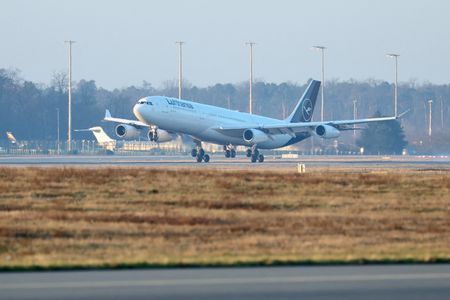
Aviation companies across Europe have issued warnings about possible jet fuel shortages arriving in the coming weeks due to the Iran conflict, potentially affecting busy summer travel periods. The continent faces particular vulnerability since it relies on imports for 30% to 40% of its jet fuel needs, with at least half originating from Middle Eastern sources.
The European Union’s advisory recommendations will highlight the region’s constraints in boosting domestic jet fuel production while offering guidance for managing potential supply shortfalls, according to the source.
The individual requested anonymity since negotiations continue and the draft remains incomplete. A European Commission representative confirmed plans to unveil crisis response measures next week, including aviation fuel initiatives.
Supply availability “remains the primary concern,” the Commission representative stated, noting that continued disruptions through the Strait of Hormuz could trigger coordinated jet fuel stock releases across the EU.
Iran reopened the Strait of Hormuz on Friday, a crucial passage for Gulf energy shipments, following a Lebanese ceasefire agreement, though U.S. President Donald Trump indicated naval restrictions continue pending a Tehran agreement.
The EU representative expressed hope for sustained safe transit through the Strait while acknowledging ongoing uncertainty, stating: “Let’s see.”
European flight cancellations could begin by late May due to fuel shortages, according to Willie Walsh, director general of the International Air Transport Association, who spoke Friday. Carriers are already reducing flight schedules and grounding aircraft.
The source described how the EU document will outline airline guidance for fuel shortage scenarios, including airport slot losses from cancellations and the anti-tankering regulation that prevents aircraft from carrying excess fuel from cheaper locations.
The guidance will determine whether fuel shortages qualify as exceptional circumstances allowing airlines to avoid passenger compensation for cancellations. The source noted the EU rejected airline requests to modify or suspend Emissions Trading System requirements and SAF mandates.
European Commission officials also plan continent-wide mapping of oil product refining capabilities and measures “to ensure that existing refining capacity is fully utilised and maintained,” according to a draft proposal previously obtained by Reuters.
Officials will examine distribution logistics for increased use of U.S. Jet A fuel, rarely utilized in Europe due to its higher freezing temperature compared to European standards. Europe’s Jet A-1 performs better in long-distance, high-altitude, and cold-weather conditions and receives military preference. April saw significant increases in jet fuel imports from both the United States and Nigeria.
Several major European aviation centers in Belgium, the Netherlands, Switzerland, and Germany depend on the NATO-operated CEPS pipeline for European-grade jet fuel supplies. NATO representatives did not immediately respond to pipeline logistics inquiries.
Airlines are bracing for potential supply constraints, with the International Energy Agency predicting June fuel shortages if the region can only secure half its typical Middle Eastern supplies.
Airport authorities have issued warnings about shortages within three weeks if Strait of Hormuz fuel shipments remain blocked. The European Commission expects to caution that jet fuel supplies may stay constrained even after Strait of Hormuz reopening.