
YEREVAN, Armenia (AP) — European officials responded Monday to President Donald Trump’s unexpected announcement that he plans to withdraw thousands of American military personnel from Germany, calling it surprising but further evidence that Europe needs to become more self-sufficient in defense matters.
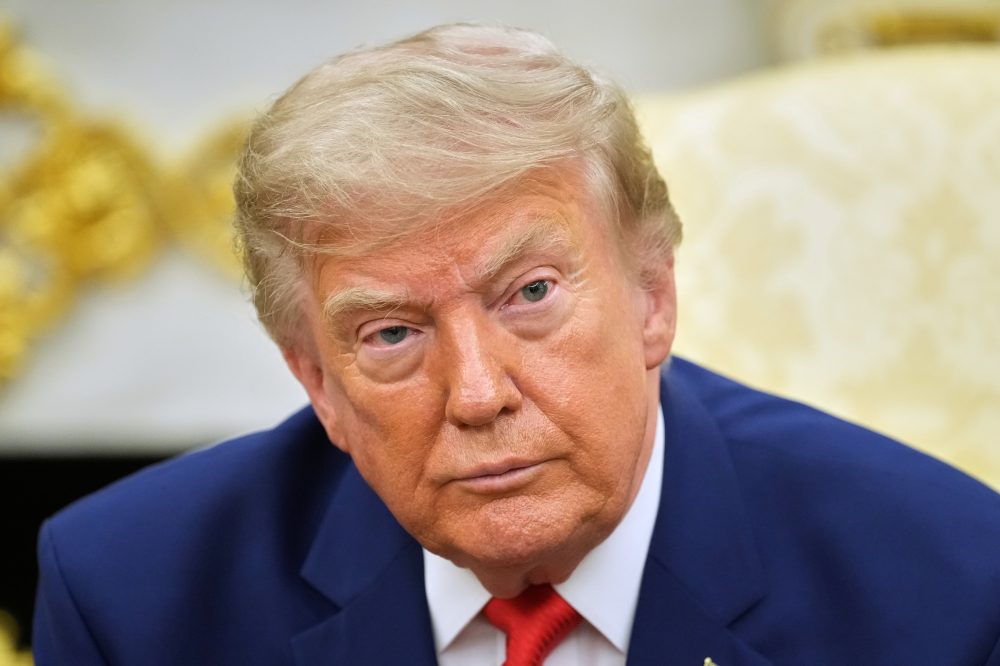
Last week, the Pentagon revealed plans to remove approximately 5,000 troops from Germany, though Trump informed journalists on Saturday that “we’re going to cut way down. And we’re cutting a lot further than 5,000.”
Trump provided no explanation for the withdrawal, which caught NATO officials unprepared, though the announcement follows growing tensions with German Chancellor Friedrich Merz regarding the U.S.-Israeli conflict with Iran and Trump’s frustration over European reluctance to participate in Middle Eastern military operations.
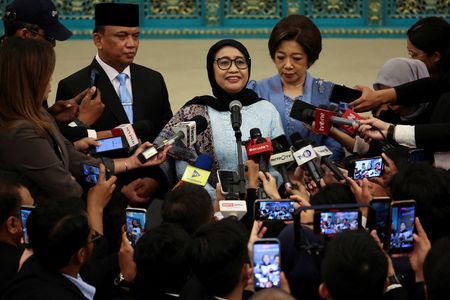
When questioned about the 5,000-troop reduction from Germany, Norwegian Prime Minister Jonas Gahr Støre responded: “I wouldn’t exaggerate that because I think we are expecting that Europe is taking more charge of its own security.”
“I do not see those figures as dramatic, but I think they should be handled in a harmonious way inside the framework of NATO,” Støre told journalists in Yerevan, Armenia, during a European leadership summit.
EU foreign policy chief Kaja Kallas acknowledged that “there has been a talk about withdrawal of U.S. troops for a long time from Europe. But of course, the timing of this announcement comes as a surprise.”
“I think it shows that we have to really strengthen the European pillar in NATO,” Kallas stated.
When asked whether Trump might be retaliating against Merz, who claimed Iran had embarrassed the U.S. during war-ending negotiations, Kallas replied: “I don’t see into the head of President Trump, so he has to explain it himself.”
During the weekend, NATO spokesperson Allison Hart confirmed that representatives from the 32-member alliance “are working with the U.S. to understand the details of their decision on force posture in Germany.”
European partners and Canada have anticipated troop withdrawals since Trump’s return to office last year — some forces already departed Romania in October — though American officials had promised to coordinate such moves with NATO partners to prevent security gaps.
NATO Secretary-General Mark Rutte minimized the significance of the withdrawal, noting that “there has been at this point disappointment on the U.S. side” regarding European backing for the Iranian conflict.
Several major allies including France, Spain, and the United Kingdom have refused to grant American forces unrestricted access to their military installations for Iranian operations. Spain has specifically prohibited U.S. use of its airspace and military bases for the conflict.
However, Rutte, who has supported Trump’s NATO leadership despite the president’s criticism of most alliance members, commented: “I would say the Europeans have heard a message. They are now making sure that all the bilateral basing agreements are being implemented.”
Rutte mentioned that European countries “have decided to pre-position assets, key assets, close to the theater for the next phase.”
While he offered no specifics, European leaders have maintained they will not assist in monitoring the Strait of Hormuz, a crucial energy shipping lane, until hostilities conclude.