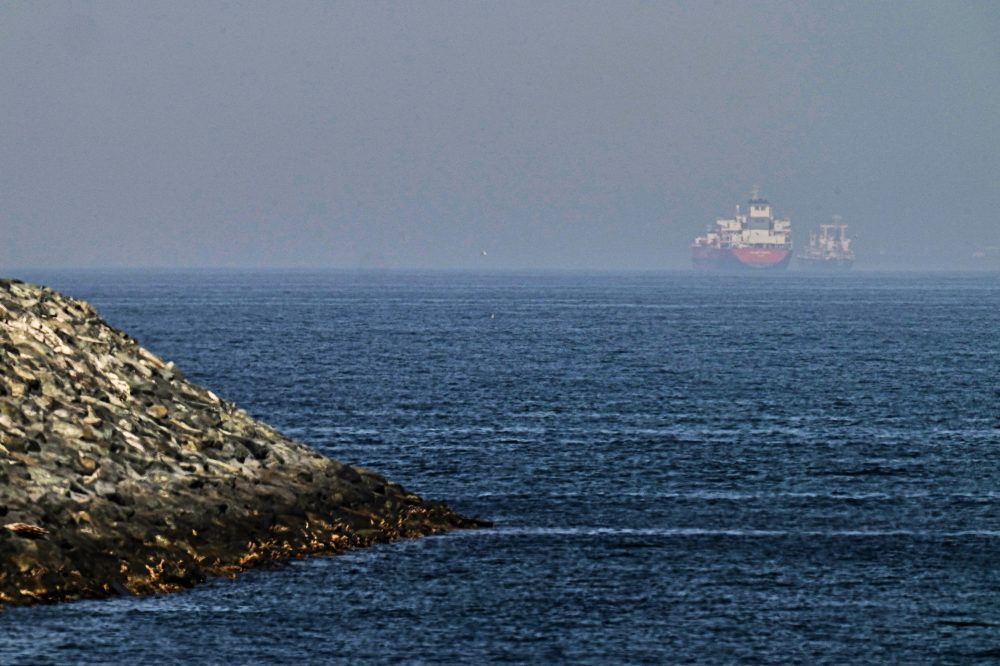

DUBAI, United Arab Emirates — A new American-led operation began Monday aimed at helping commercial ships navigate through the strategically vital Strait of Hormuz, which remains under Iranian control following ongoing regional conflicts.
The initiative, dubbed “Project Freedom” by President Donald Trump, established what officials called an “enhanced security area” located south of standard shipping lanes. The Joint Maritime Information Center advised ship captains to work closely with Omani officials due to expected heavy vessel traffic in the region that borders both Iranian and Omani waters.
Maritime authorities issued warnings that traveling near conventional shipping paths “should be considered extremely hazardous due the presence of mines that have not been fully surveyed and mitigated.”
This American-led naval coalition’s announcement signals the beginning of efforts to restart commercial traffic and rebuild trust among merchant vessels navigating the critical waterway. However, the move threatens to destabilize the delicate ceasefire that remains in place despite little advancement on underlying war issues.
By Monday morning, it remained uncertain whether any commercial ships had taken advantage of the American assistance. Iran’s military leadership told the state-controlled IRIB network that vessels must coordinate their passage with Iranian forces.
“We warn that any foreign military force — especially the aggressive U.S. military — that intends to approach or enter the Strait of Hormuz will be targeted,” Major General Pilot Ali Abdollahi said.
The blockage of this vital shipping channel, through which approximately 20 percent of global oil normally flows, has emerged as one of the most lasting effects of the conflict that America and Israel initiated on February 28. The disruption has strained European and Asian nations reliant on Persian Gulf energy supplies while creating fresh uncertainty in worldwide energy markets for consumers and businesses.
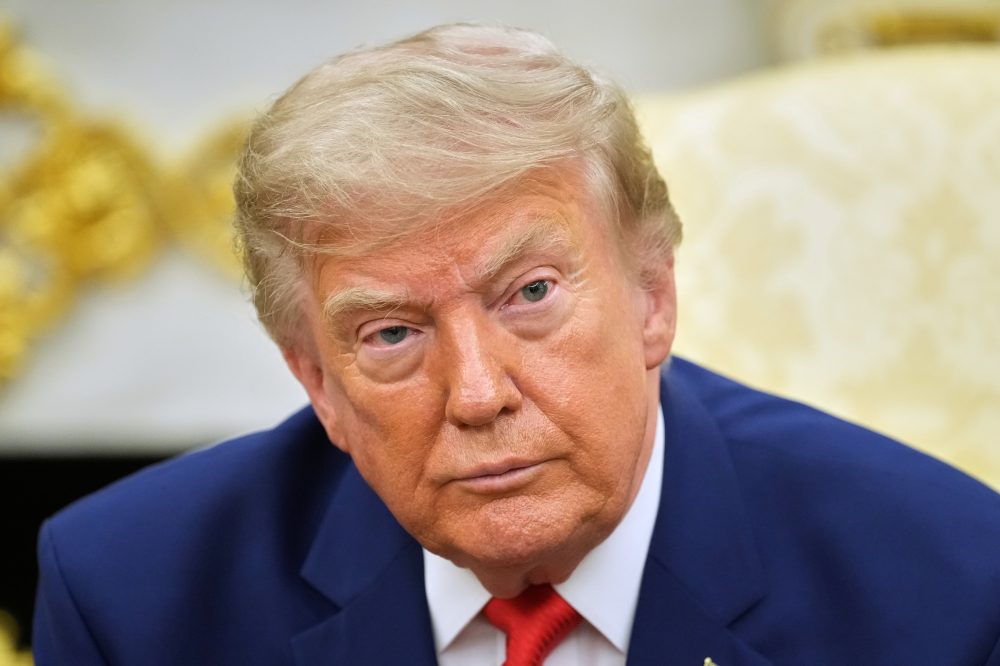
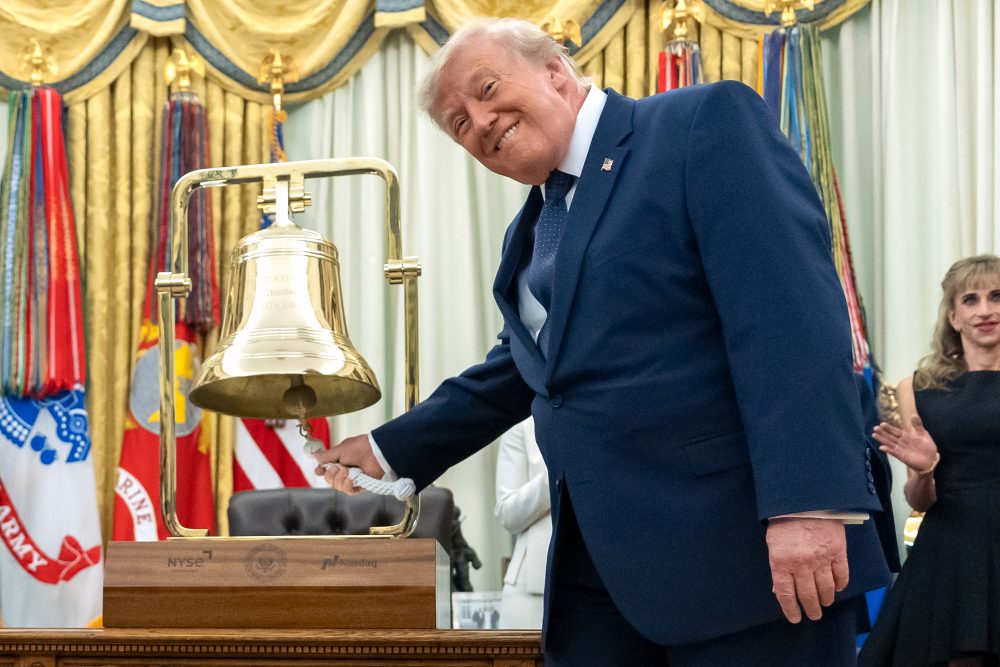
In a social media announcement Sunday, Trump pledged to help “neutral and innocent” nations by promising “that we will guide their Ships safely out of these restricted Waterways, so that they can freely and ably get on with their business.”
U.S. Central Command indicated the operation would deploy guided-missile destroyers, over 100 aircraft, and 15,000 military personnel. Pentagon officials have not yet provided details about specific deployment strategies.
Numerous vessels and crew members, particularly those aboard oil tankers and cargo ships, have remained trapped in Persian Gulf waters since hostilities began. Sailors have told The Associated Press about witnessing intercepted drones and missiles detonating overhead while their ships face shortages of fresh water, food, and essential supplies.
“They are victims of circumstance,” Trump stated, characterizing the mission as a humanitarian effort “on behalf of the United States, Middle Eastern Countries but, in particular, the Country of Iran.”
Trump also issued a stern warning: “If, in any way, this Humanitarian process is interfered with, that interference will, unfortunately, have to be dealt with forcefully.”
Following additional ship attacks reported Sunday, Iran’s official IRNA news service dismissed Trump’s announcement as part of his “delirium.” Ebrahim Azizi, who leads Iran’s parliamentary national security committee, posted on X that any interference in the strait would constitute a ceasefire violation.
Trump’s announcement came after Iran indicated it was examining the American response to Tehran’s most recent peace proposal, while clarifying that nuclear discussions are not currently part of negotiations. The fragile three-week ceasefire continues to hold.
Iran’s judiciary-linked Mizan news outlet quoted Foreign Ministry spokesman Esmail Baghaei saying Sunday that Tehran is studying the U.S. response to its latest peace initiative.
However, “at this stage, we have no nuclear negotiations,” Baghaei stated. While Iran’s nuclear activities and uranium enrichment have historically been central to U.S.-Iran tensions, Tehran prefers addressing these matters later.
According to Iranian state-affiliated media, Iran’s proposal seeks resolution of other matters within 30 days and aims to completely end the conflict rather than simply extending the current ceasefire. Trump said Saturday he was examining the proposal but expressed skepticism about reaching an agreement.
Iran’s 14-point plan demands American sanctions relief, termination of the U.S. naval blockade at Iranian ports, regional force withdrawals, and cessation of all military actions, including Israeli operations in Lebanon, according to the semi-official Nour News and Tasnim agencies, which maintain close connections to Iran’s security apparatus.
Iranian leaders have declared the strait will not return to pre-conflict conditions and have begun imposing fees on passing ships, though the U.S. has cautioned shipping companies they risk sanctions for making payments to Iran.
The American naval blockade implemented April 13 is preventing Tehran from accessing oil revenues needed to support its struggling economy. U.S. Central Command reported Sunday that 49 commercial vessels have been ordered to reverse course.
“We think that they’ve gotten less than $1.3 million in tolls, which is a pittance on their previous daily oil revenues,” U.S. Treasury Secretary Scott Bessent told Fox News Sunday, noting that Iran’s oil storage capacity is rapidly reaching limits and “they’re going to have to start shutting in wells, which we think could be in the next week.”