
AFCADDE, Ethiopia — A devastating drought is putting at risk the myrrh trees that produce an essential ingredient for some of the world’s most expensive perfumes, according to researchers who recently visited Ethiopia’s Somali region.
The ancient trees, which once created thick forests across this Horn of Africa territory, are now struggling to survive amid what scientists describe as an unprecedented dry spell. Starving animals are eating young tree shoots while the lack of rainfall prevents new growth.
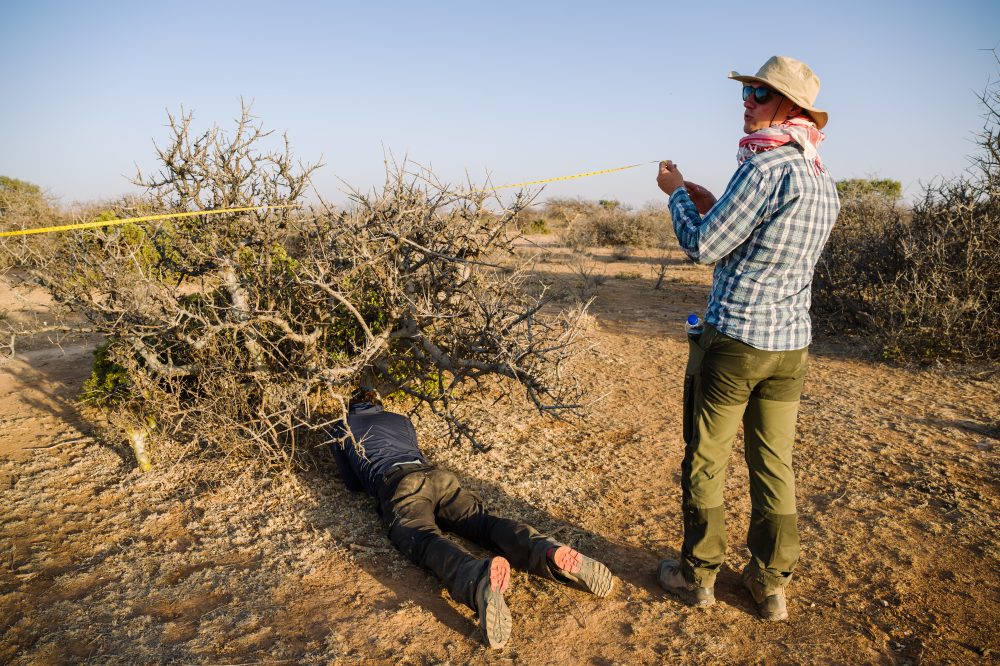
This year, a research team backed by the American Herbal Products Association traveled to this remote area where valuable tree resin is collected and eventually shipped to international markets from one of Earth’s most impoverished regions.
Their mission focused on finding ways to ensure local harvesters receive a larger share of profits rather than losing most earnings to intermediaries throughout the complex trading network.
Ethiopia serves as a primary supplier of myrrh, a substance valued for cosmetic, medicinal and spiritual purposes dating back to ancient Egyptian civilization. Local collection methods remain unchanged from traditional practices, which helps preserve tree health and yields superior quality resin.
The manual harvesting process increases myrrh’s market value, yet workers see minimal financial benefit. Gatherers receive between $3.50 and $10 for collecting one kilogram of the precious material.
This amount pales compared to the cost of finished fragrances containing myrrh, which luxury brands including Tom Ford, Comme des Garcons and Jo Malone market at prices reaching $500 per bottle.
Interest in myrrh’s additional applications continues expanding as worldwide demand grows for natural health products.
Currently, most myrrh harvested in eastern Ethiopia gets sold to merchants from nearby Somalia. The Ethiopian government collects no revenue from these transactions.
Community members believe greater international attention could improve their situation as climate change endangers their traditional lifestyle.
“They expressed hope that a direct market would enable them to secure better prices, ensuring sustainable livelihoods,” said Abdinasir Abdikadir Aweys, senior researcher with the Somali Regional Pastoral and Agro-Pastoral Research Institute and a member of the research team.
The study was directed by Anjanette DeCarlo, a University of Vermont expert specializing in sustainable supply chains and tree resins, along with Stephen Johnson, who owns FairSource Botanicals and studies resin production. Their investigation revealed that local communities follow ancestral harvesting techniques by gathering resin from trees’ natural wounds rather than creating deliberate incisions, which would make trees more susceptible to insects and illness.
“Traditional practice is in balance and protects trees. It should be celebrated,” DeCarlo said.
However, the ongoing drought alarmed the research team. Seasonal rainfall has consistently failed in recent years, broken only by destructive flooding in 2023.
While this dry region has historically experienced droughts, the current crisis represents an unprecedented event that climate scientists attribute to global environmental changes.
Myrrh collection faces serious challenges. Although mature trees remain relatively healthy, they generate less resin than before. Additionally, fewer saplings are surviving to maturity.
“Unfortunately, many seedlings are uprooted by children who graze their livestock nearby, and the animals often eat the buds of the young trees,” said a local elder, Mohamed Osman Miyir, adding: “We are deeply worried about the declining population of myrrh trees.”
Without adequate precipitation, additional young trees will likely perish. DeCarlo expressed concern that mature trees may eventually die as well.
Residents spend their days transporting water for personal use and their animals. Herders cross the dry, fractured landscape traveling up to 200 kilometers to reach Sanqotor village, which maintains one of the few functioning wells in the area.
“Guests water animals first, then the villagers,” said local headman Ali Mohamed, watching hundreds of livestock gather around the well.
Not all residents own animals for income. The most impoverished villagers depend entirely on tree resins like myrrh for their economic survival.