
British energy giant BP reported first-quarter earnings that increased by more than 100% as ongoing conflict in Iran disrupts global oil markets and American drivers face the steepest fuel costs seen this year.
Global energy markets have experienced significant disruption since warfare began in Iran during February. Weeks of conflict have centered around the strategically vital Strait of Hormuz, a critical waterway in the Persian Gulf through which much of the world’s oil supply travels.
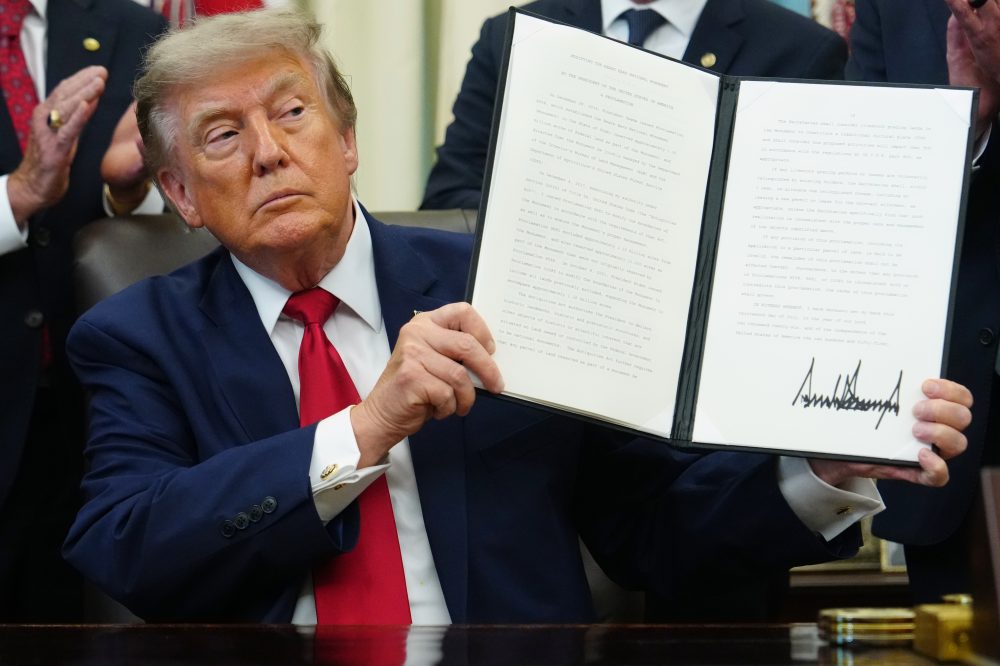
Regional officials reported Monday that Iran has proposed ending its control over the strait in exchange for the United States removing its blockade and ceasing military action, with nuclear program negotiations to be delayed. However, President Donald Trump’s administration appeared hesitant to accept the proposal by Tuesday. White House officials confirmed Trump’s security advisors reviewed the offer and that the president would respond at a later time.
The London-headquartered energy company reported quarterly earnings of $3.84 billion, equivalent to $1.47 per share. This represents a dramatic increase from the same period last year when BP posted $687 million in profits, or 26 cents per share.
When accounting adjustments are excluded, the company earned $1.24 per share, significantly exceeding the 91 cents per share that financial analysts surveyed by Zacks Investment Research had predicted.
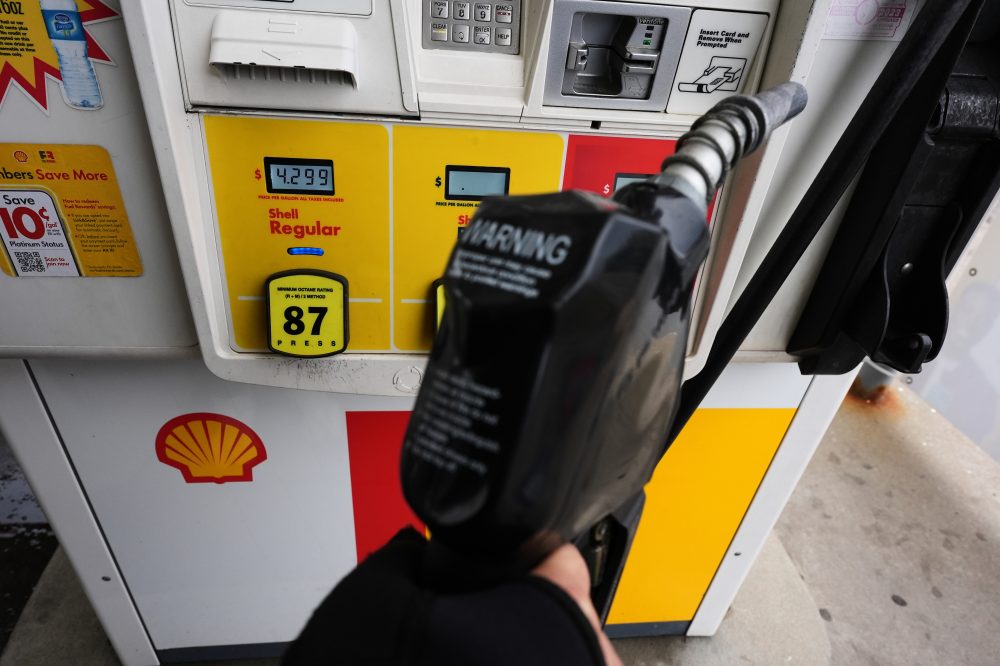
As BP’s financial performance strengthens, American consumers are experiencing escalating fuel costs.
According to AAA motor club data, the national average gasoline price climbed to $4.18 on Tuesday. This surpassed the previous 2024 peak recorded on April 9, which marked the highest level since August 2022. Seven days earlier, drivers paid an average of $4.02 per gallon, compared to $3.98 one month prior.
Social media platforms reflected widespread consumer frustration as people shared their experiences with rising pump prices and expressed concerns about household budget impacts.
“Mortgage/Rent/Light bill and gas are so high it takes at least 2 families living in one house to afford to live nowadays,” Teresa Velasquez wrote in a Facebook post.
“Gas prices started coming back down then went right back up…..what happened?” Henry T. Bishop III posted on Facebook.
March inflation data revealed a sharp increase, with fuel price jumps reaching levels not seen in sixty years. Rising energy costs particularly burden lower and middle-income families by reducing their purchasing power for essential items including food and housing.
Industry observers have expressed concern about the situation.
“These astronomical profits are a startling reminder that when conflict drives up the price of oil and gas, energy companies profit and households pay. That is not a coincidence, it is a consequence of the way our energy system is structured,” Simon Francis, End Fuel Poverty Coalition coordinator, said in a statement.
“Families are being pushed to the brink by spiraling energy bills, while fossil fuel companies turn a war into a windfall. This is not just unjust, it’s unacceptable,” Clémence Dubois, global campaigns director at 350.org, said in a statement.
BP PLC stock has gained 32% year-to-date and increased 57% over the past twelve months. Shares rose more than 2% in pre-market trading Tuesday.