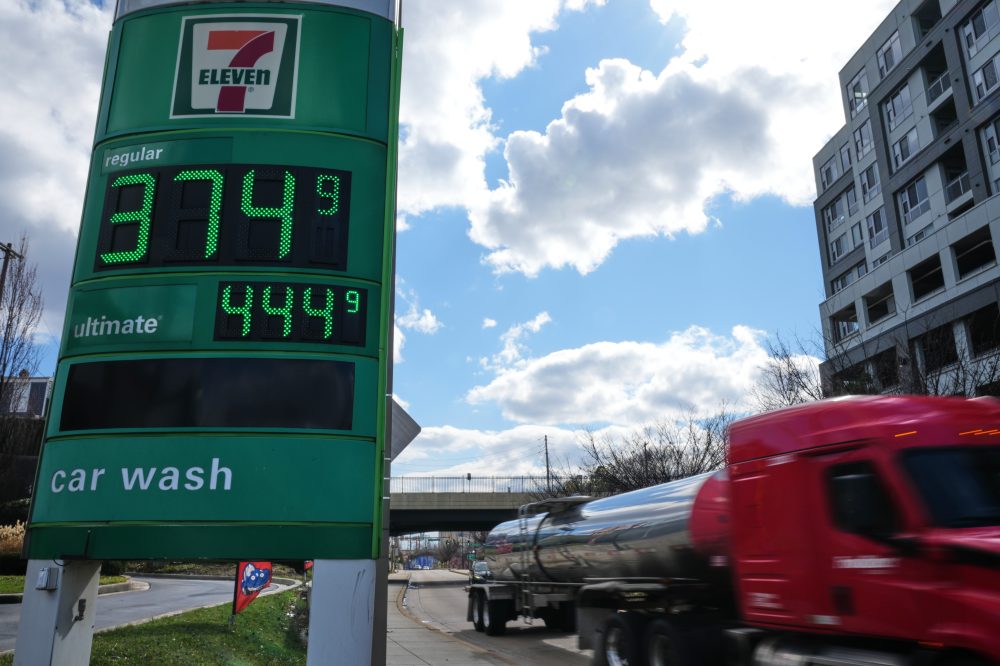

WASHINGTON — March brought the sharpest rise in wholesale pricing that the nation has experienced in over three years, driven primarily by escalating energy costs tied to the ongoing Iran conflict.
According to Tuesday’s release from the Labor Department, the producer price index — a key indicator that tracks inflation before it reaches everyday consumers — climbed 0.5% compared to February and jumped 4% from the same period last year. Energy costs alone spiked 8.5% month-over-month.
When removing the more unpredictable food and energy sectors from the equation, core producer pricing showed a more moderate increase of just 0.1% from February and 3.8% year-over-year. Despite the concerning trends, these wholesale price increases came in below what economic experts had predicted.
These rising costs present new challenges for Federal Reserve officials working to control inflation, particularly as they face mounting pressure from President Donald Trump to reduce the central bank’s key interest rate. However, some Fed officials are considering the opposite approach — raising rates to combat the inflation risks posed by higher energy expenses.
Producer pricing serves as an important preview of potential consumer inflation trends. Economic analysts pay close attention to these figures because certain components, particularly healthcare and financial services measurements, directly influence the Fed’s primary inflation metric — the personal consumption expenditures price index.
Last week’s Labor Department data showed that rising gasoline costs pushed consumer prices up 3.3% annually in March, representing the largest year-over-year jump since May 2024. Month-to-month, consumer prices rose 0.9% from February to March, marking the most significant monthly increase in nearly four years.