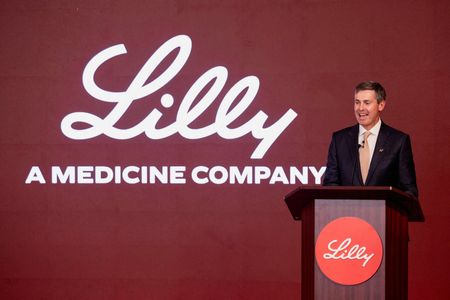

Shareholders of pharmaceutical company Eli Lilly will be looking for information that won’t appear in Thursday’s quarterly financial report: early performance data on their new weight-loss medication Foundayo.
The highly anticipated obesity treatment, which competes with Novo Nordisk’s oral Wegovy medication, started selling in the United States in early April. Since the launch occurred after the first quarter ended, Foundayo revenue won’t appear in Lilly’s latest financial results. Investment professionals say several additional weeks of prescription information will be necessary to assess the drug’s initial market performance.
Despite the limited data availability, the medication remains a primary concern for investors, particularly after preliminary information has led some market analysts to suggest Foundayo’s debut is trailing behind Novo Nordisk’s oral Wegovy, which became available in January.
“We’re two weeks into the launch, so it is really too early in my view to make a concrete call on the strength of the launch,” said BMO Capital Markets analyst Evan Seigerman. “You’re really going to want to listen to how CEO Dave Ricks frames how the launch is going.”
The early prescription data might not include direct consumer purchases, and investment professionals typically require five to six weeks of information for an accurate assessment, according to Lilly investor Terence McManus of Bellevue Asset Management in Zurich.
Lilly’s stock value has dropped 19% this year as investors evaluate whether the Indianapolis-based company can meet high expectations for its obesity drug portfolio, which includes injectable Zepbound in America and Mounjaro, prescribed for both diabetes and weight management internationally.
Robust global demand for the drugmaker’s diabetes and obesity treatments is projected to support a 26% revenue increase predicted by analysts, based on LSEG information.
In the previous year, both Novo and Lilly introduced their obesity medications to the Indian market.
Lilly’s Mounjaro sales increased twofold following its launch, becoming the top-selling medication in the world’s most populous country.
Nevertheless, demand may face challenges after Indian pharmaceutical companies began offering less expensive generic alternatives to Novo’s injectable Wegovy last month.
This Tuesday, Canada authorized the first generic alternative to Novo’s Ozempic, an injectable diabetes medication frequently prescribed off-label for weight reduction. Novo plans to release quarterly earnings on May 6.
Investment professionals will also monitor the balance between pricing and demand for the popular GLP-1 medications in both American and international markets.
“It’s possible that over time people are underestimating the ex-U.S. component” for these products, Bellevue’s McManus said.
McManus anticipates drug prices outside America will increase due to White House initiatives linking American medication costs to those in other developed nations and a growing movement toward cash-payment markets.
Beyond specific pricing agreements made with the Trump administration, Americans generally pay three times more for prescription drugs than patients in other parts of the world.
However, Lilly can reduce pricing differences in cash-payment markets like the Middle East, Brazil and China, according to BMO’s Seigerman.
Lilly increased Mounjaro’s UK list price by as much as 170% last year as pharmaceutical companies adapt to policy shifts in the United States, which remains the most profitable market.
In America, worries about uncertain federal coverage for obesity medications continue to be one of the “sources of angst” for investors, said Kevin Gade, chief operating officer at Bahl & Gaynor, which owns Lilly stock.
The federal government has postponed a Medicare pilot program covering such medications after major health insurance companies including UnitedHealth and CVS Health’s Aetna expressed hesitation about participating.
A temporary program scheduled from July 2026 through December 2027, designed as a transition to the pilot program, will maintain coverage at prices negotiated in the previous year.