
Stock prices for Fulcrum Therapeutics dropped by half during premarket trading Tuesday following the company’s announcement that it would halt development of an experimental medication for sickle cell disease due to cancer risks identified by federal regulators. The firm also stated it would explore strategic alternatives including a possible sale or merger.
The oral medication, pociredir, was undergoing testing as a treatment for sickle cell disease, a hereditary blood condition that causes pain, anemia, organ damage and shortened life spans.
This development represents another obstacle in the ongoing effort to develop sickle cell treatments. Last year, Pfizer pulled its approved medication Oxbryta from the market and halted associated research due to safety issues.
Pociredir was engineered to boost fetal hemoglobin levels by affecting a specific component of the PRC2 protein complex, which typically prevents its production.
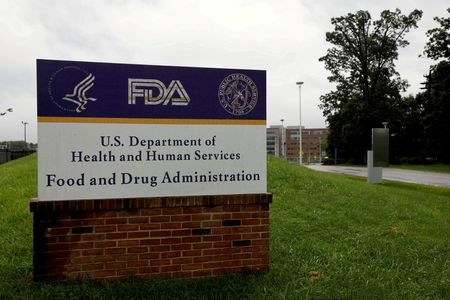
Fulcrum’s choice came after receiving guidance from the U.S. Food and Drug Administration regarding safety issues connected to medications that target the protein complex, following the global withdrawal of Ipsen’s cancer treatment, Tazverik, earlier this year due to secondary blood cancer risks.
The company explained it had provided information contending that pociredir, which affects a different part of the PRC2 complex compared to Tazverik, presented a unique risk assessment. However, the FDA determined that all medications affecting the complex carry comparable cancer risks.
Truist analyst Gregory Renza noted that the regulatory agency did not distinguish between different components of the PRC2, instead considering the entire complex as presenting a comprehensive cancer threat.
The FDA also referenced previous preclinical cancer indicators associated with pociredir, according to Fulcrum.
The company’s stock has declined approximately 43% so far this year, based on LSEG information.
The firm additionally announced it would evaluate strategic options, including a possible sale or merger, and has started reducing expenses to maintain cash reserves. It held $333.3 million in cash and investments at the end of March.
Fulcrum stated that no additional safety issues had appeared in clinical studies and that the medication had demonstrated improvements in fetal hemoglobin, which could help lessen disease severity for sickle cell patients.