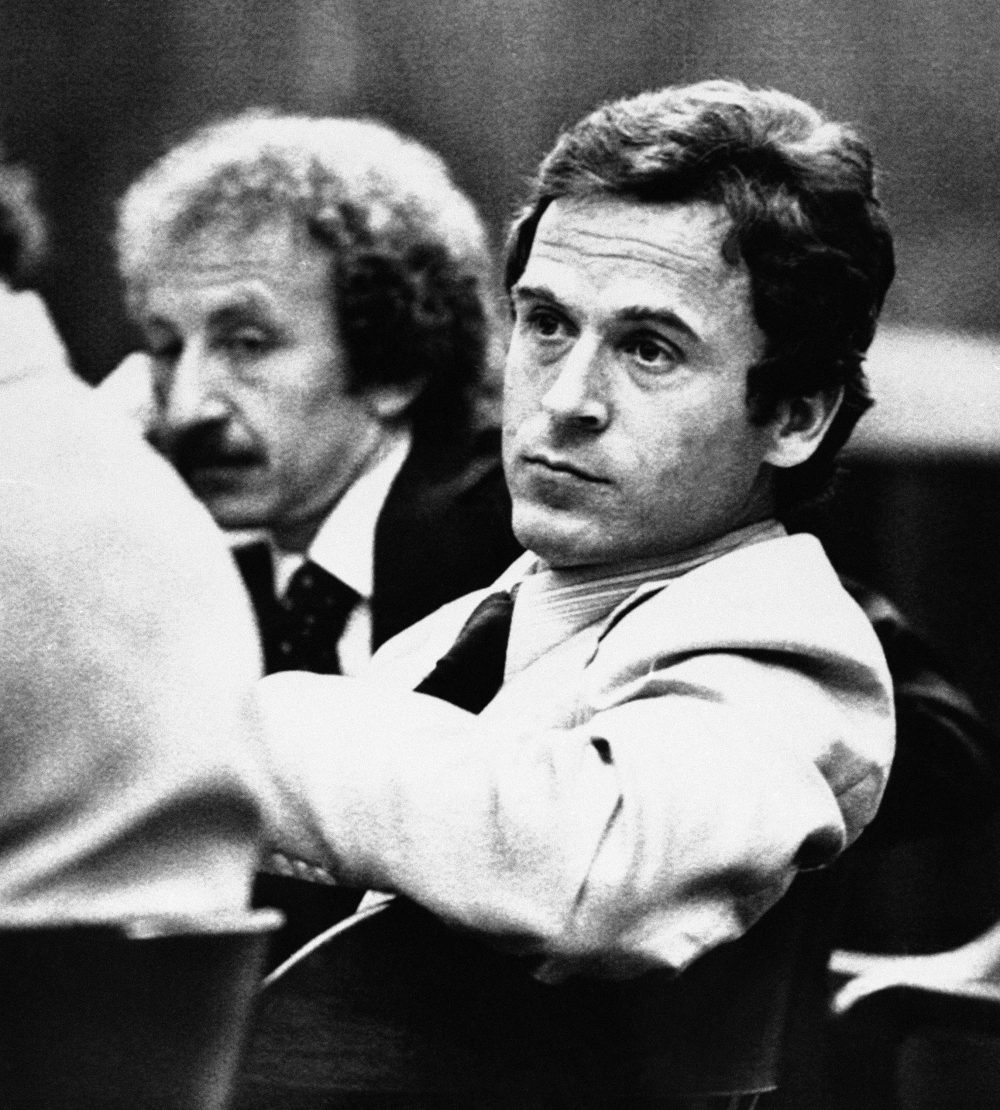

SALT LAKE CITY — Advanced DNA analysis has finally confirmed what investigators suspected for decades: notorious serial killer Ted Bundy was responsible for the brutal 1974 murder of a Utah teenager, authorities announced Wednesday.
Seventeen-year-old Laura Ann Aime vanished on Halloween night five decades ago after leaving a party by herself to visit a nearby store. Hikers discovered her remains approximately one month later alongside a highway in American Fork Canyon. The victim had been restrained, severely beaten, and found without clothes. Investigators determined she was likely held captive for multiple days following her kidnapping.
While law enforcement had long believed Bundy was the perpetrator — officials noted he verbally admitted responsibility before his 1989 Florida execution — the case stayed active until definitive proof could be established.
The notorious criminal became one of America’s most deadly serial killers, connected to no fewer than 30 female victims across multiple states during the 1970s. His crimes — committed in college dormitories, public spaces, and other locations — terrified the nation. Bundy’s capture generated intense public interest, partly due to his perceived charm and attractive appearance.
Law enforcement had meticulously maintained physical evidence from Aime’s murder, enabling forensic specialists to examine materials and identify samples most likely to contain usable genetic material, according to Utah Department of Public Safety Commissioner Beau Mason.
The state forensics laboratory acquired cutting-edge equipment in 2023 capable of extracting genetic profiles from tiny, deteriorated, or mixed DNA specimens, Mason explained. This advanced technology enabled scientists to isolate a single male genetic profile, which was then compared against a national criminal database.
The results matched Bundy’s DNA profile, Mason confirmed.
Aime’s relatives remembered her as an independent spirit who cherished nature and approached life with enthusiasm.
“Laura Aime is the quintessential daughter of Utah County,” Utah County sheriff’s Sgt. Mike Reynolds stated during Wednesday’s press conference. “We felt the pain the family feels when she was taken. We felt the pain that you felt this whole entire time, and we’ve had the desire to deliver to you some type of healing, we can’t really say closure.”
The timeline of Bundy’s initial attacks remains unclear, but by 1974, young women — particularly university students — started vanishing in Washington state. Law enforcement was still examining those disappearances when Bundy relocated to Salt Lake City and continued his killing spree across Utah, Idaho, and Colorado.
During Aime’s murder, Bundy was enrolled in law school at the University of Utah.
His first arrest occurred in August 1975 after officers stopped his vehicle and discovered suspicious materials including rope, restraints, and a face covering.
The following year, he was convicted of kidnapping and attacking a Utah teenager who had escaped. Bundy received a 15-year prison sentence for that offense, and while incarcerated, faced additional charges related to a nursing student’s earlier death.
Authorities transported him to Aspen, Colorado for court proceedings in 1977, where he escaped by climbing through a courthouse window when left unattended. Though recaptured within a week, he broke free again six months later by breaking through his jail cell ceiling.
Bundy then traveled across the country to Tallahassee, Florida. On January 15, 1977, he invaded the Chi Omega sorority house at Florida State University, killing two women with a wooden club and severely injuring two others. He subsequently attacked another woman at a nearby residence.
Weeks later, he kidnapped, sexually assaulted, and murdered 12-year-old Kimberly Leach in Lake City, Florida. She is believed to be his final victim. Bundy was apprehended in Pensacola while operating a stolen car, and his DNA was collected in Florida.