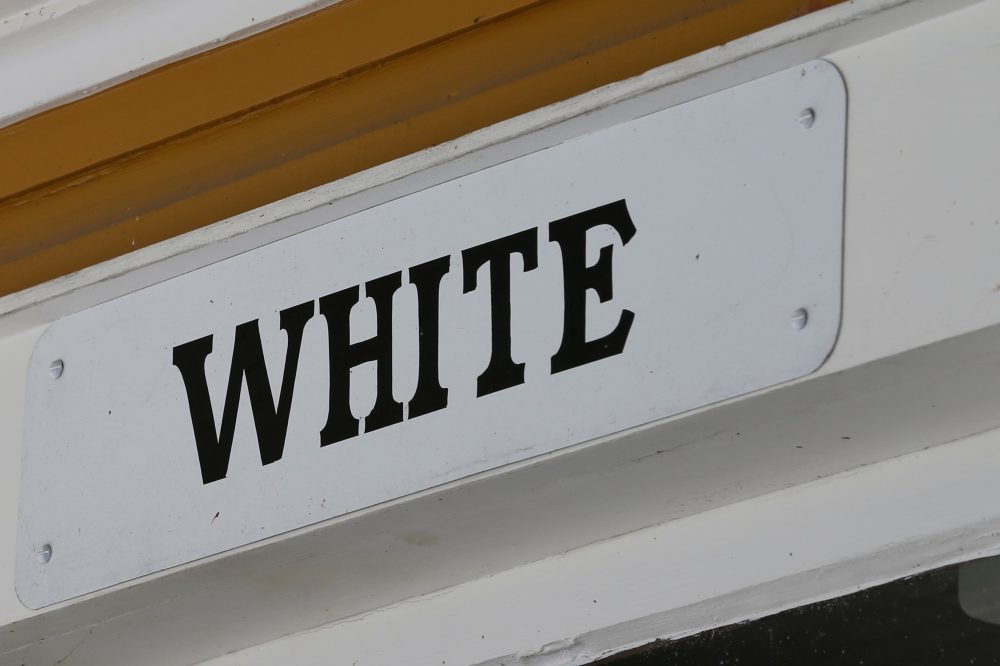

Discriminatory phrases like “No dogs, no Negros, no Mexicans,” “Colored served in rear,” and “For whites only” once appeared prominently on businesses throughout the American South.
These signs served as daily, unavoidable reminders to Black Americans of their legally mandated second-class status in a society where they lived alongside, yet completely apart from, white citizens of any social standing.
Following the end of the Civil War and the eventual failure of Reconstruction efforts, the Jim Crow era established a comprehensive system of social rules and legislation that controlled how both Black and white Americans could move through public spaces for multiple generations, lasting until civil rights activists began dismantling institutionalized racial discrimination.
This segregation framework was built upon the premise that formerly enslaved individuals and their children were naturally inferior to white people in areas such as intellect, ethics, and conduct. Those who supported the system feared that treating Black and white people as equals would lead to interracial relationships and create what they viewed as a mixed race that would contaminate what they considered the superior white population.
Geographic separation initially gained cultural acceptance before being maintained through violence or threats of imprisonment that essentially recreated slavery conditions. Following the Supreme Court’s 1896 Plessy v. Ferguson ruling that established “separate but equal” as constitutional, Jim Crow segregation markers became legal mandates rather than simple warnings.
What began as systematic humiliation transformed into government-sanctioned oppression. Train cars, public transportation, drinking fountains, bathrooms, lodging, dining establishments, and recreational facilities represented just some of the many public amenities divided by discriminatory signage. African Americans were compelled to utilize inferior accommodations. Educational institutions, religious buildings, and burial grounds had already been racially separated for years. This deliberate structure prevented most Black men from interacting with white women while robbing Black people of their self-respect, civic identity, and sense of social and political inclusion.
The Civil Rights Act of 1964 abolished legal racial separation, though many throughout the American South continued opposing integration even after discriminatory signs were removed and placed in historical collections. Steven Reich, a history professor who authored an encyclopedia covering the Jim Crow period, notes that one enduring consequence of legalized segregation continues affecting today’s American workplace.
According to Reich, segregation created divisions within the working class that pushed white employees to align themselves more closely with management rather than their Black colleagues. This dynamic continues limiting opportunities for Black and white workers to unite and collaborate on shared concerns, including diversity and inclusion initiatives.