
DUBAI, United Arab Emirates (AP) — An unstable truce between the United States and Iran appeared to remain intact Saturday following American military action against Iranian oil vessels, while Bahrain announced the arrest of dozens allegedly tied to Iran’s Revolutionary Guard.
Friday’s military actions raised questions about the delicate month-long ceasefire that Washington maintains remains valid. The United States continues to wait for Tehran’s response to its most recent peace proposal aimed at ending hostilities, reopening the Strait of Hormuz, and scaling back Iran’s controversial nuclear activities.
American military officials reported Friday that their forces had incapacitated two Iranian oil tankers attempting to break through a U.S. naval blockade at Iranian ports. Earlier that day, the military announced it had prevented attacks on three Navy vessels and conducted strikes against Iranian military installations in the strategic waterway.
In Bahrain, the small Gulf nation’s Interior Ministry announced Saturday the detention of 41 individuals suspected of belonging to a cell connected to Iran’s Revolutionary Guard. Officials said investigations continue to identify additional members of the organization, though they declined to provide additional specifics.
The island kingdom operates under Sunni Muslim leadership while maintaining a predominantly Shiite population similar to Iran. Human rights organizations have accused Bahrain of exploiting the Iran-U.S. conflict, which involves the country hosting America’s Fifth Fleet, to justify suppressing domestic opposition.
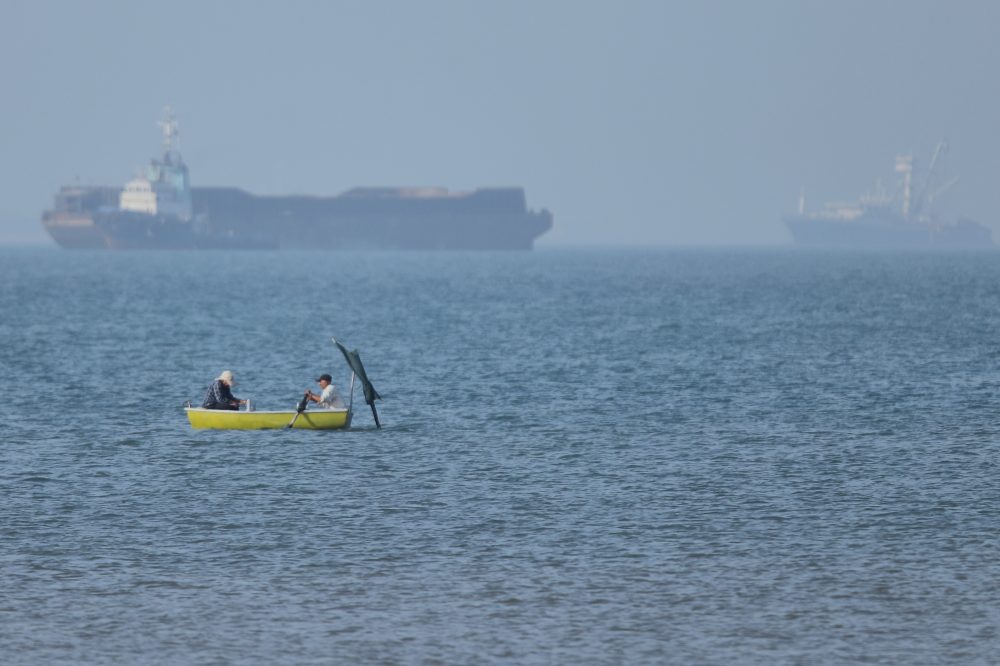
Tehran has largely sealed off the vital shipping lane for global energy supplies since the United States and Israel initiated military action on February 28, triggering worldwide fuel price increases and destabilizing international markets. Washington has implemented its own naval blockade of Iranian shipping facilities.
American military officials released footage showing Friday’s strikes on the two Iranian tankers, with fighter jets targeting their smokestacks. Earlier this week, a U.S. military aircraft disabled a tanker’s steering system after officials said it attempted to violate the blockade.
An overnight American attack resulted in at least one sailor’s death and injured 10 others when a cargo ship caught fire, according to a news outlet linked to Iran’s judicial system. Officials have not confirmed whether this vessel was among the two tankers the U.S. acknowledged striking.
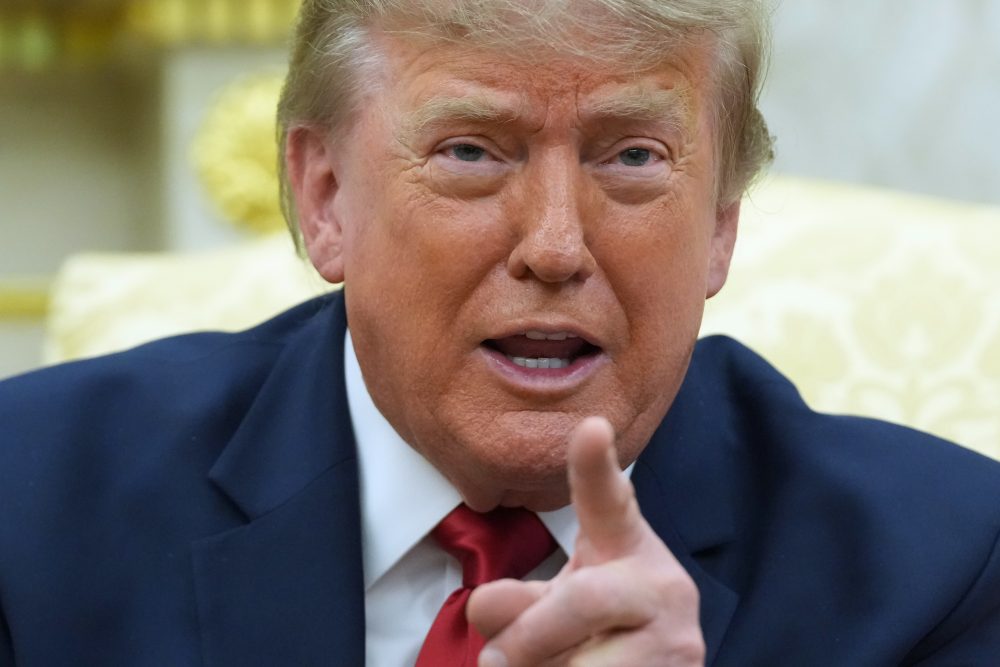
President Donald Trump has maintained that the ceasefire continues despite recent military actions. He has repeated warnings about resuming comprehensive bombing campaigns if Iran rejects an agreement to reopen the strait and curtail its nuclear development.
Iranian foreign ministry representative Esmail Baghaei stated Friday that his country was ignoring “deadlines” and continues examining the American proposal for ongoing talks, state-run IRNA reported.
A senior Iranian official also confirmed Friday that Supreme Leader Mojtaba Khamenei remains in “complete health” and will make public appearances in the future.
Mazaher Hosseini, connected to the former Supreme Leader’s office, made these statements at a government-supporting event. Hosseini explained that Mojtaba had experienced knee and back problems that have mostly resolved, leaving him in good physical condition.
Khamenei has not appeared publicly since hostilities began, and the ongoing lack of verified photographs, recordings, or video footage has sparked questions about his wellbeing. Statements like Hosseini’s are viewed by some as efforts to address speculation that he may have died.
International diplomatic activity has increased as tensions continue rising.
Russia’s foreign ministry announced Saturday that both Russia and Saudi Arabia are advocating for continued diplomatic work toward a “sustainable, long-term agreement” to conclude the conflict.
Top diplomats from Egypt and Qatar have also emphasized that diplomatic solutions represent the only viable path forward, according to details from a Saturday telephone conversation between Egyptian Foreign Minister Badr Abdelatty and Qatari counterpart Sheikh Mohammed bin Abdulrahman Al Thani.
Pakistani Prime Minister Shehbaz Sharif revealed his nation has maintained continuous contact with both the United States and Iran “day and night” working to extend the ceasefire and achieve a lasting peace agreement.