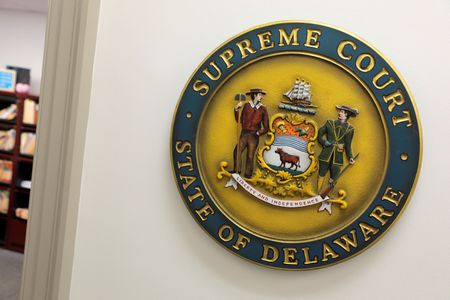

Delaware’s Supreme Court has validated controversial changes to the state’s business laws on Friday, backing legislation that critics labeled the “billionaire’s bill” for its protections of corporate executives.
The new statute, identified as SB 21, significantly reduces investors’ ability to take legal action against company deals. The updated rules allow transactions to proceed without court challenges if either a board committee with mostly independent directors approves them, or if public shareholders vote in favor. The previous system demanded both conditions plus entirely independent board committees.
Additional provisions in the legislation make it more challenging to question whether directors are truly independent and restrict shareholder access to company documents when investigating potential conflicts of interest.
State legislators passed these measures in March 2025 as a response to what’s become known as “DExit” – the departure of major companies from Delaware incorporation. This trend threatens a significant revenue source, as corporate fees contribute roughly 20% of the state’s budget, even as Delaware continues to serve as the legal headquarters for most major public corporations.
The new regulations primarily affect businesses with controlling shareholders, such as Meta Platforms under Mark Zuckerberg’s control.
Opposition came from pension funds and other groups who worried the changes would hamper their oversight of potential conflicts, viewing the legislation as favorable treatment for powerful technology company founders.
Legal representatives for shareholders contended that SB 21 violated Delaware’s constitution by removing cases from the Court of Chancery’s authority and blocking judicial review of certain business transactions.
Supporters countered that legislators weren’t eliminating the court’s jurisdiction or specific legal rights, but instead adjusting the standards the Court of Chancery uses to evaluate transaction fairness.
Corporate leaders have grown increasingly frustrated with recent court decisions that challenged established expectations about Delaware’s business law framework.
In January 2024, a Delaware judge struck down Elon Musk’s $56 billion Tesla compensation package. This decision angered Musk, who encouraged businesses to leave Delaware, prompting departures by companies including Dropbox, Roblox, and Coinbase Global.
However, Delaware’s Supreme Court reversed that decision in December, reinstating Musk’s pay package on appeal.