
Spring planting season has arrived, bringing with it the annual rush to garden centers and nurseries. This year, Delaware gardeners might want to think twice about the materials their gardening supplies are made from, particularly whether those items contain plastic components.
Plastic gardening products eventually deteriorate into tiny fragments known as microplastics, which can seep into our food supply and contaminate landfill sites. These microscopic particles come from everyday items including food containers, cooking tools, cleaning product bottles, and certain fabrics, and researchers have found them in tap water, meals, and even human tissue.
Many gardeners may not realize their backyard soil could be harboring these contaminants.
While garden soil naturally contains millions of helpful microorganisms such as bacteria and fungi, it may also contain these problematic plastic particles. What options do environmentally aware gardeners have?
Although we cannot undo existing contamination, gardeners can take action to reduce their contribution to plastic pollution while working toward a cleaner environment. These changes might even help save money along the way.
Rather than purchasing plastic starter trays, gardeners could try soil-blocking equipment to create their own planting containers. These metal tools compress a damp blend of compost, peat moss, perlite, and plant nutrients into firm blocks that maintain their shape without additional support.
These compressed blocks actually benefit young plants through a process called air-pruning of roots. Rather than growing in circles and becoming tangled when they reach container walls, plant roots stop extending outward and develop more densely when they encounter air at the block edges. This results in easier transplanting into garden beds.
For those who prefer ready-made options, biodegradable containers made from coconut fiber or composted animal waste offer good alternatives. These products are odorless and resemble cardboard in appearance.
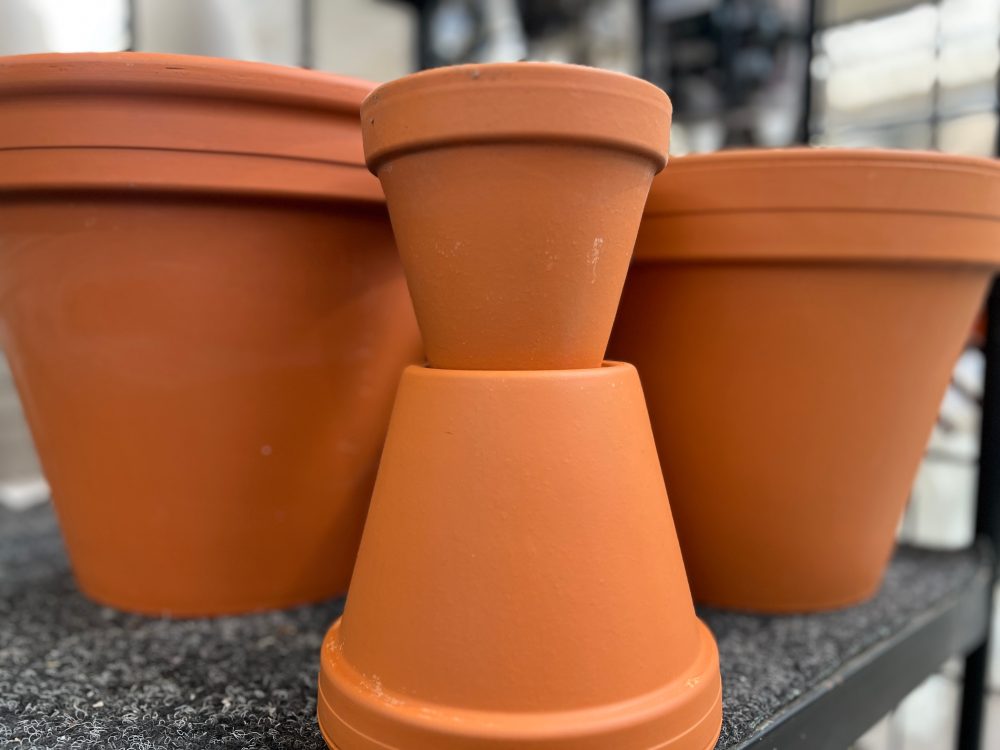
When selecting containers for mature plants, natural materials such as wood or clay pottery work well.
Root crops, herbs, and tomato plants thrive in fabric growing containers available in multiple sizes. Potato-specific versions feature roll-up openings that simplify harvest time. Always check product labels to confirm they use natural rather than artificial fibers.
When available, choose bare-root plants instead of those sold in plastic containers.
Creating a home compost system reduces the need to purchase soil amendments or fertilizers. This eliminates plastic packaging waste while giving gardeners complete control over compost ingredients. If home composting is not feasible, purchasing bulk compost costs less than bagged versions.
Select canvas covers instead of plastic tarps and avoid installing landscape fabric beneath garden beds or border areas. Natural mulching materials like shredded bark, wood chips, or dried leaves effectively suppress weeds, though gravel is recommended in fire-prone areas for safety reasons.
Support climbing plants and tomatoes using stakes made from bamboo, wood, or metal. Fasten them with natural rope materials such as hemp or jute fibers.
Simple wooden craft sticks serve as excellent plant identification markers.
When plastic purchases become necessary, avoid disposable items like flimsy starter trays. Investing in durable products that will last multiple seasons before disposal represents progress in the right direction. Many small improvements will create meaningful change over time.