
PAPHOS, Cyprus — American taxpayer dollars are financing significant improvements to Cyprus military facilities as the Mediterranean island nation expands its capacity to serve as a regional evacuation center and humanitarian staging area for Middle East crises.
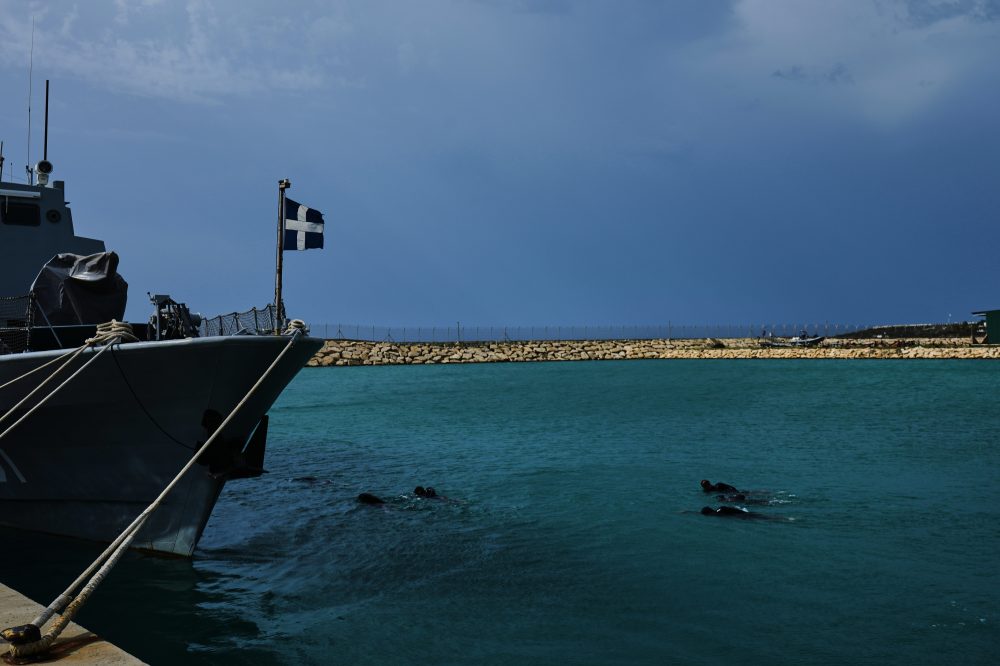
The island’s primary naval installation, Evangelos Florakis base, sits just 142 miles from Lebanon’s shoreline and will receive a new heliport funded by U.S. European Command. The facility will handle large Chinook-style transport helicopters used for evacuating people from war zones.
Meanwhile, the Andreas Papandreou air base in southwestern Cyprus will gain an expanded apron area where dozens of heavy-lift military cargo planes can quickly refuel and receive maintenance during humanitarian operations, according to Lt. Col. Paris Samoutis, National Guard spokesperson. The Associated Press received rare access to these restricted military sites.
Both enhancement projects fall under a broader upgrade initiative funded by Washington to help Cyprus handle large-scale humanitarian responses. Construction is scheduled to begin next year.
While final project costs remain under assessment, Samoutis revealed the U.S. has provided 500,000 euros ($588,000) for development planning to determine total expansion expenses for the air base apron.
This American assistance would have been unimaginable a decade ago, before Cyprus abandoned its historically neutral diplomatic stance and aligned with Western nations.
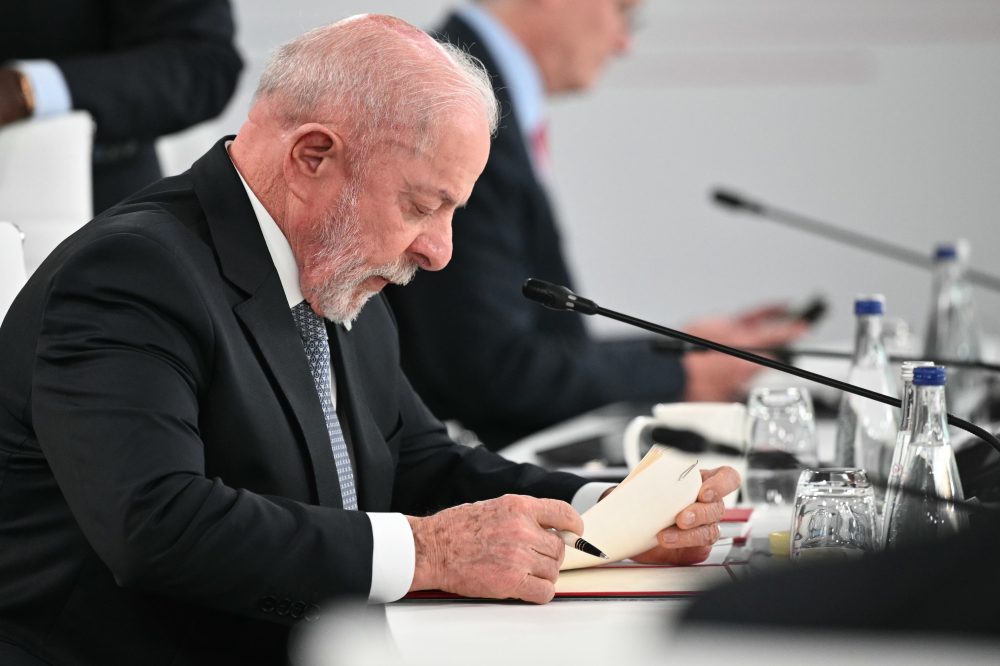
Cyprus has strengthened ties with Washington under American-educated President Nikos Christodoulides, who ended a longstanding U.S. arms embargo and opened new commercial opportunities.
Since winning election in 2023, Christodoulides has promoted Cyprus’ strategic location to European Union colleagues and American officials, positioning the nation as the West’s diplomatic, economic and humanitarian gateway to the volatile Middle East.
“As a conscientious and responsible partner, Cyprus remains a credible and safe harbor,” Christodoulides stated in December.
Previously, American forces depended on two British military installations that the United Kingdom maintained after Cyprus gained independence in 1960. A drone attack on March 2 damaged an aircraft hangar at RAF Akrotiri base, with Cypriot authorities saying the Shahed drone originated from Lebanon.
Upgrading Cyprus’ national military infrastructure provides alternative options for Washington and EU allies with regional interests, including France.
Cyprus served as an evacuation transit hub for foreign nationals fleeing Sudan in April 2023. When U.S. and Israeli forces targeted Iranian nuclear facilities in June 2025, the island again facilitated departures from Israel and helped stranded Israelis return home.
During 2024, Cyprus established the Amalthea maritime corridor to deliver thousands of tons of humanitarian supplies to Gaza, initially through direct shipments and later via Israel’s Ashdod port.
Multiple EU nations and other countries have stationed civilian personnel, military troops, helicopters and aircraft in Cyprus to support potential citizen evacuations. The United States deployed Marines and V-22 Osprey aircraft at Paphos air base in 2024 to assist Lebanese evacuations.
Christodoulides has emphasized that Cyprus military facilities will only support humanitarian missions, not offensive military operations.
Beyond the new heliport, the naval base will receive upgraded port infrastructure capable of hosting larger warships like frigates, which exceed the size of Cyprus’ current lighter vessel fleet, Samoutis explained. These larger ships provide essential air defense capabilities through radar and missile systems protecting incoming and outgoing transport helicopters.
The air base will also house a newly established regional firefighting coordination center designed to help neighboring Middle Eastern nations combat major wildfires. The center’s inauguration is planned for next month.
“Cyprus remains part of the solution, not the problem,” Samoutis said, repeating a phrase frequently used by Christodoulides.