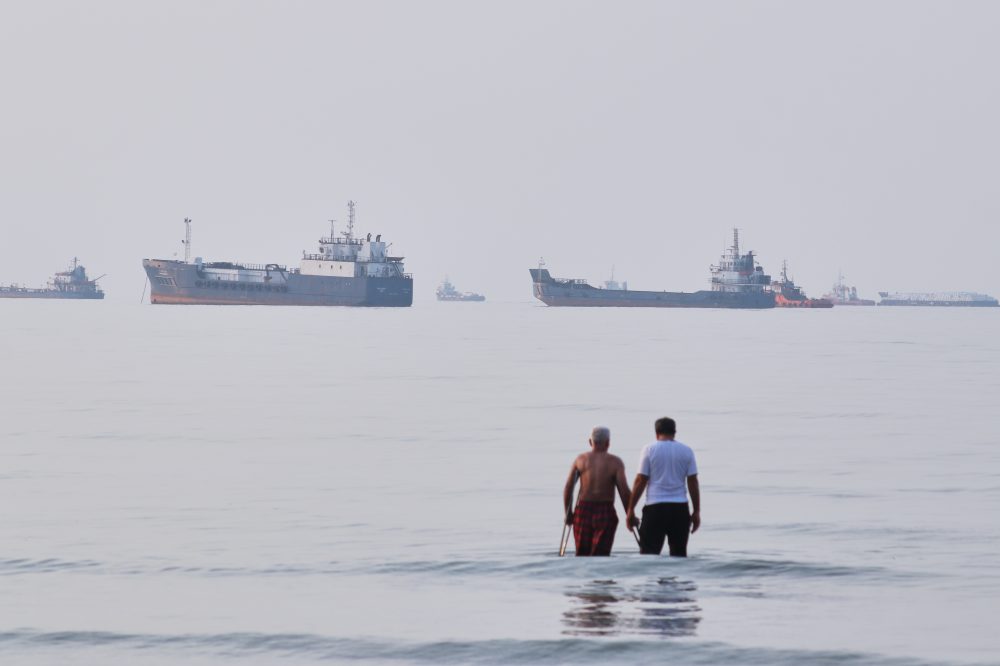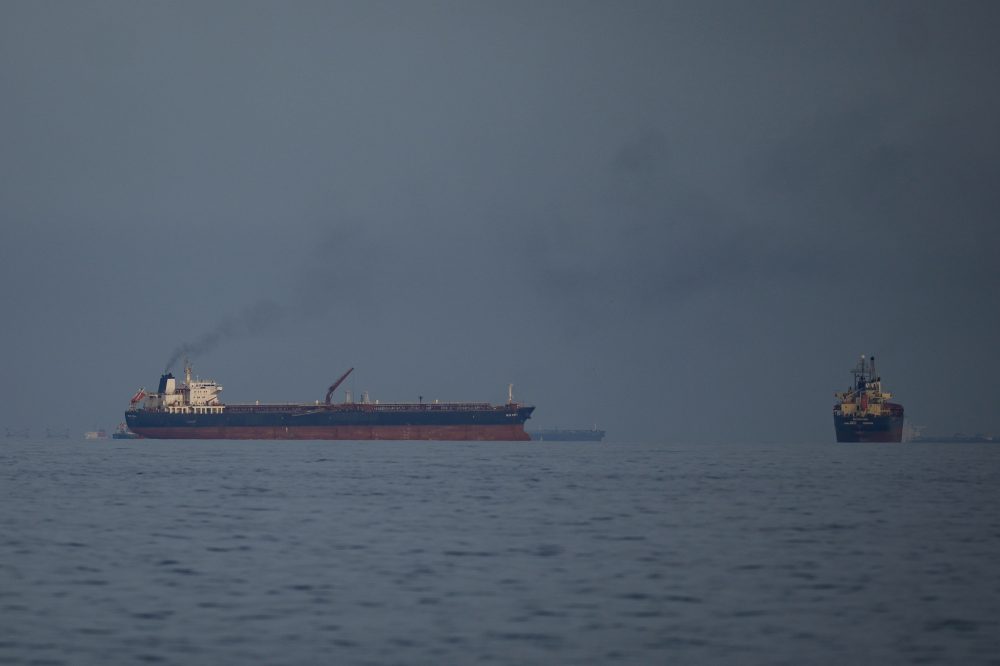

Commercial vessels navigating waters near the Strait of Hormuz are broadcasting false Chinese identities in their tracking systems to protect themselves from potential Iranian attacks, according to marine traffic analysis.
Marine tracking data reviewed by news organizations reveals that no fewer than eight ships operating in the Persian Gulf and Gulf of Oman regions have modified their destination broadcasts to include phrases like “CHINA OWNER” and “CHINA OWNER&CREW” since hostilities with Iran escalated.
“The main goal of vessels publicly identifying themselves as ‘Chinese’ while transiting the Gulf or the Strait of Hormuz is primarily to reduce the risk of being attacked rather than to facilitate passage through the strait itself,” explained Ana Subasic, who analyzes trade risks for Kpler, the company that operates MarineTraffic.
The strategy appears designed to exploit Iran’s reluctance to target Chinese-connected shipping, given Beijing’s neutral position in the conflict and substantial economic relationships with Tehran, according to Subasic.
Kun Cao, who works as a client director for consulting company Reddal, described the tactic more bluntly: “The message is more like ‘do not mistake me for the kind of ship you said you would hit.’”
Shipping companies face mounting anxiety over Iranian military actions against commercial vessels throughout the Persian Gulf and surrounding waters. By Thursday, Iranian forces had damaged no fewer than 19 merchant ships since the conflict began.
Most of the eight vessels displaying Chinese messages actually sail under different national flags, including Panama and the Marshall Islands. However, Cao noted that flag registration often bears little relationship to actual ownership in modern commercial shipping operations.
While many cargo ships do maintain genuine Chinese connections through ownership structures, crew composition, or cargo destinations, the actual protective value of claiming Chinese ties remains uncertain, according to Rico Luman, a transportation economist with Dutch bank ING.
Ship crews manually input destination signals into their vessel’s transponder systems, which broadcast the information publicly via GPS tracking, Subasic explained. These messages typically indicate the ship’s next planned port stop and help coordinate navigation safety and harbor operations.
Because these signals lack real-time verification systems, “some vessels occasionally use it to display additional information or signals, such as references to ownership or nationality,” Subasic said.
This protective strategy mirrors earlier behavior during Houthi attacks in Red Sea shipping lanes, where vessels similarly broadcast Chinese connections to deter strikes from the Iranian-supported militant group.