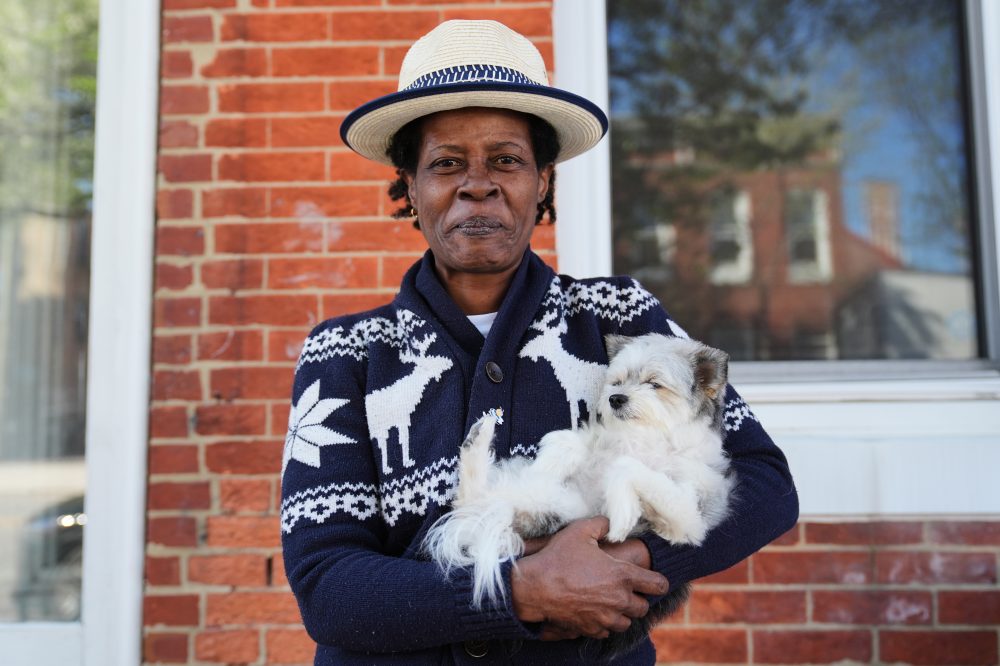

Personal tragedies and housing instability derailed Jevona Anderson’s educational journey when she was just months away from earning her bachelor’s degree. At 59, the University of Baltimore student watched her grades plummet as family deaths and homelessness overwhelmed her ability to focus on coursework.
Anderson became part of what educators call “stopouts” – approximately 38 million working-age Americans who have abandoned their college studies before graduation. These individuals often carry student debt without the credential needed to increase their earning potential.
Though most students who leave college express intentions to return, very few actually do. Recent initiatives by educational institutions and local governments are changing that trend. Data shows stopout reenrollment climbed to over 1 million during the 2023-2024 academic year, marking a 7% jump from the previous year.
For Anderson, a specialized scholarship program became her pathway back to education. The financial assistance enabled her to resume studies at the University of Baltimore.
“It was so easy for someone my age to stop, because I have a lot of professional skills to get a job to continue to just live,” said Anderson, who aspires to become an educator. “It’s bigger than that.”
Despite the long-term financial benefits of completing a degree, countless students abandon their academic pursuits even after investing substantial money and time. The challenges are multifaceted – higher education demands significant time and financial resources while presenting complex administrative requirements. Simple obstacles like outstanding fees, confusing paperwork, or difficulties managing childcare, employment, health concerns, and transportation can derail academic progress.
“Life is always changing. Everybody is going through something,” said Nina Diggs-Pindell, a University of Baltimore student who has interrupted her studies multiple times due to parenting duties and work obligations.
Anderson initially enrolled at the University of Baltimore in 2019 to study environmental sustainability. Her diverse work background included roles as a fingerprint technician and fitness director, but her career vision became clear during substitute teaching assignments in urban schools.
Childhood memories of playing outdoors combined with observations about the lack of green spaces in low-income urban areas motivated her educational goals. She sought a bachelor’s degree to potentially teach and share environmental knowledge with children through interactive learning experiences.
“I needed to make sure that I get this degree so I can get back to them somehow, some way,” said Anderson, now 60.
Balancing academic demands with life responsibilities proved challenging for Anderson. Fellowship opportunities provided valuable experience but minimal compensation. Grief from losing family members intensified her financial difficulties, and the eviction made concentration nearly impossible.
“I’m looking at my grades go from A’s and B’s to, like, ‘what is this?’ … to ‘I have to take this class again,” Anderson said.
Following extensive discussions with her student support coordinator, she chose to temporarily suspend her studies.
According to National Student Clearinghouse data, the overall stopout population continues expanding despite decreasing annual dropout rates and increasing reenrollment numbers. Recent departures significantly exceed the number of students returning to their studies.
Nevertheless, states are making progress through deliberate efforts providing financial support or eliminating administrative barriers such as account holds.
When Anderson’s circumstances improved late last year and she felt prepared to return, academic advisers informed her about a university scholarship program targeting students near degree completion, primarily funded by the Carnegie Corporation. The assistance covered her remaining credit hours and housing expenses. She now approaches graduation.
“Higher education continues to have great unmet potential to help people live better lives, and we’re talking about a group of Americans that have already started down to that path; they’re close to the finish line,” said James Kvaal, former undersecretary of education during the Biden administration who currently oversees Carnegie’s educational and democracy grantmaking.
Maryland institutions reenrolled 25,068 students from across the country during 2023-2024, an increase of 2,259 from the previous year. However, this represents a small fraction compared to the 600,000 working-age adults who had withdrawn from Maryland schools without completing degrees.
Multiple states have collaborated with ReUp, a company facilitating reenrollment through coaching services and data analysis tools that help schools improve outreach strategies. The organization also connects students with appropriate college programs based on academic records, personal circumstances, and career objectives.
Many institutions utilize data analytics to identify individuals with substantial credit accumulation, focusing on specific support services to help them complete their degrees.
Tracking and reengaging people who have deprioritized education presents significant challenges. ReUp research indicates an average of 24 contact attempts – including text messages, emails, and meetings – before a stopout reenrolls.
Many colleges consider this a worthwhile investment and less demanding than recruiting completely new students, according to Jennifer Latino of education research firm EAB, which has examined reenrollment strategies.
When Richie Ince established a stopout scholarship at Colorado’s Pueblo Community College approximately ten years ago, he discovered many former students left due to what he terms “life happens moments.” Gentle encouragement through social media advertising and personalized communication – combined with a scholarship now valued at roughly $2,000 – frequently succeeded in bringing students back.
“We just heard a lot of students say this was the kind of kick in the pants they needed, or that they just needed someone to reach out,” said Ince, the college’s director of enrollment management.
Scholarship recipients must pass their first semester back with C grades or better before receiving funds. This requirement helps ensure the program produces graduates, Ince explained. Staff members also assist returning students with financial aid applications and provide regular check-ins to maintain progress.
The scholarship provided the support Melody Blair, 55, needed to pursue an associate’s degree in health information management. She has worked decades of night shifts at a call center – employment that covers expenses but causes exhaustion. “There are days I just want to take the headset off and say ‘no more,’” she said.
Blair, who was adopted as an infant, is now pursuing a career in genomic registry work, assisting people who lack access to their medical histories. “It’s one of those jobs I know I can wake up and look forward to doing.”
While Anderson expects to graduate after this semester, she felt disappointed realizing she couldn’t afford graduation regalia. The school’s student center has since offered to loan her a cap and gown. Regardless, she emphasized that the most important aspect is the opportunity to work with children again soon.
“Me and God made a pact — I am graduating this spring,” she said.