
Des Moines, Iowa faces a costly reality when nitrate contamination reaches dangerous levels in its water supply – operating specialized filtration equipment costs the city approximately $16,000 each day. This agricultural state has long dealt with water quality challenges, but climate change is intensifying the problem.
Agricultural chemicals from fertilizers and pesticides seep into the soil before flowing into waterways such as the Raccoon and Des Moines rivers. While winter contamination has historically been rare, Iowa’s capital city was forced to operate filtration systems during January and February this year – marking only the second occurrence in more than three decades. Residents in the state, which has some of America’s most nitrate-vulnerable waterways, may face increased water costs as a result.
Climate experts point to changing weather patterns, particularly milder winters, as the driving force behind this expensive issue that threatens to expand throughout agricultural regions.
“We are more apt to see these in the future. Are they going to occur every year? No. But the ingredients are there for them to potentially occur more often,” explained Justin Glisan, Iowa’s state climatologist, regarding winter nitrate contamination events.
Nitrogen and phosphorus remain in agricultural fields after farmers apply fertilizers and pesticides. Precipitation and melting snow transport these chemicals into water supplies, creating health hazards. Excessive nitrate consumption can lead to serious medical conditions including cancer and blue baby syndrome, which causes dangerously low oxygen levels in newborns.
Climate change is preventing ground from freezing consistently in many regions, while snow frequently melts or turns to rain on unfrozen soil. These conditions create more winter days when nitrate concentrations can reach harmful levels.
Climate researchers identify increasingly extreme weather patterns as another consequence of global warming, including severe droughts followed by heavy rainfall from an atmosphere capable of holding more moisture.
Glisan noted that extreme dry periods followed by intense wet conditions result in massive water movement through soil, carrying agricultural chemicals like nitrogen along with it.
A warming atmosphere is also melting polar regions and causing more frequent winter temperature swings between freezing polar conditions and warmer, less snowy weather, he added.
Despite heavy snowfall during some winter storms, snow cover didn’t persist for extended periods. Instead, snow acted as insulation preventing deep soil freezing in certain areas, and rapid melting followed by heavy rainfall allowed water to penetrate soil and eventually reach waterways.
When ground doesn’t freeze consistently, nutrients aren’t effectively “locked in” by soil frost.
“In central and southern Illinois, we’ve always dealt with a sort of ephemeral freeze-thaw, freeze-thaw process. What we’re seeing is that’s really tracking farther north,” said Trent Ford, Illinois’ state climatologist.
Samuel Sandoval Solis, a University of California-Davis professor and water resources management extension specialist, emphasized that nitrate contamination significantly impacts low-income rural communities nationwide.
While some municipalities already possess infrastructure like filtration systems to address nitrate levels, many lack such capabilities. The U.S. Geological Survey reports that approximately 15% of Americans depend on private drinking water wells, which nitrates can infiltrate.
Regular well water testing and proper home filtration can cost hundreds of dollars annually. Small communities without nitrate filtration capabilities at their water treatment plants will face expensive upgrade decisions, Sandoval noted.
States have battled nitrate contamination for years, but they’re beginning to recognize that increasingly warm winters complicate solutions – as seen in Illinois, where annual reports now explicitly address climate change’s role, according to Joan Cox, program manager for the Illinois Nutrient Loss Reduction Strategy.
While scientists understand that more nitrogen flows downstream during winter months, they’re still researching whether this translates to increased overall pollution, said Carol Adair, a University of Vermont professor who studies how rain-on-snow events might worsen nutrient contamination.
Regardless, little is known about these changes’ ecosystem impacts, Adair explained. She believes that with less plant life available to absorb nitrogen during winter, more could travel downstream to areas like the Gulf’s “dead zone,” where fertilizer pollution creates oxygen-depleted waters that kill fish and marine life.
Dani Replogle, a Food and Water Watch staff attorney for the nonprofit focused on sustainable food and clean water, said factory farm operators attempt to time manure and fertilizer applications to avoid precipitation periods. However, this approach is “increasingly not a successful strategy because everything is becoming so unpredictable,” she stated.
Requiring agricultural producers to reduce chemical runoff has proven challenging in farming regions, particularly in Iowa where agricultural lobbying groups have resisted mandatory regulations.
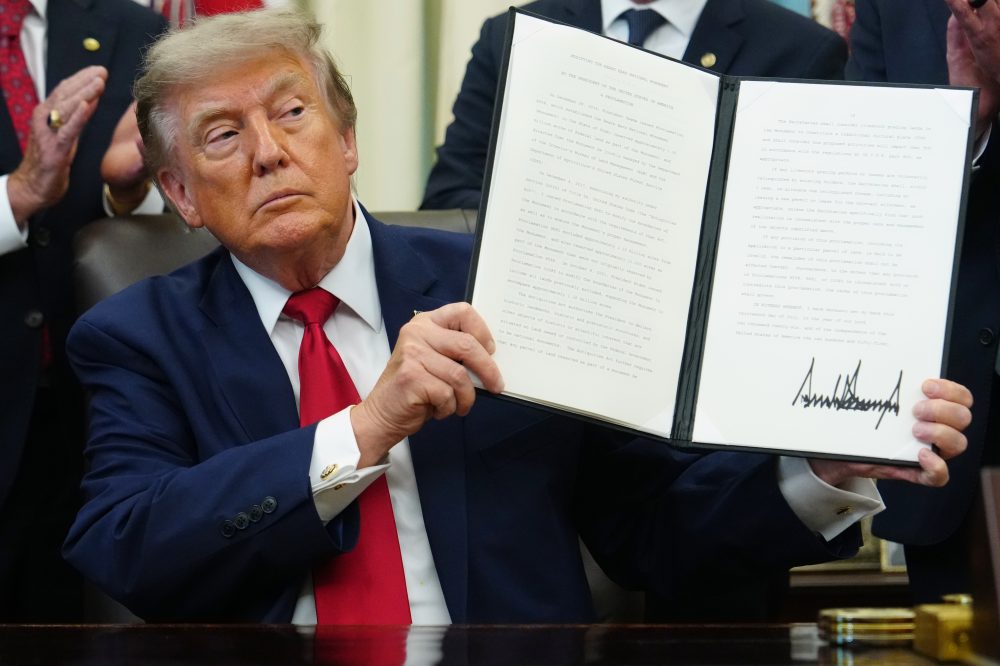
The Trump administration’s EPA removed seven Iowa waterways from the federal Impaired Waters List, which would have required the state to establish pollution limits under the Clean Water Act. Food and Water Watch has announced plans to file a lawsuit.
Iowa’s water treatment facilities are developing resilience strategies for increased winter nutrient pollution, according to Amy Kahler, CEO and general manager at Des Moines Water Works. However, she believes upstream polluters should address the source of contamination.
“There really are two paths. One is conservation efforts and responsible watershed practices. And the other is spending hundreds of millions of dollars in treatment solutions,” Kahler stated.
She advocates for the conservation approach, citing its positive effects on quality of life.
In 2015, the agency filed a lawsuit seeking compensation for millions spent filtering unsafe contamination levels from the Des Moines and Raccoon rivers. A judge eventually dismissed the case.