
ARLINGTON, Va. — During a Chinese comedy performance in northern Virginia recently, when the comedian asked what food the audience enjoyed most, one response rang out above all others: “Chick-fil-A!”
“Still waiting on that H-1B lottery results?” the performer joked back, referencing the work visa program popular among Chinese students.
The exchange highlights an unusual belief spreading through Chinese student communities: that consuming meals from the Atlanta-based chicken chain might boost their odds of visa approval success.
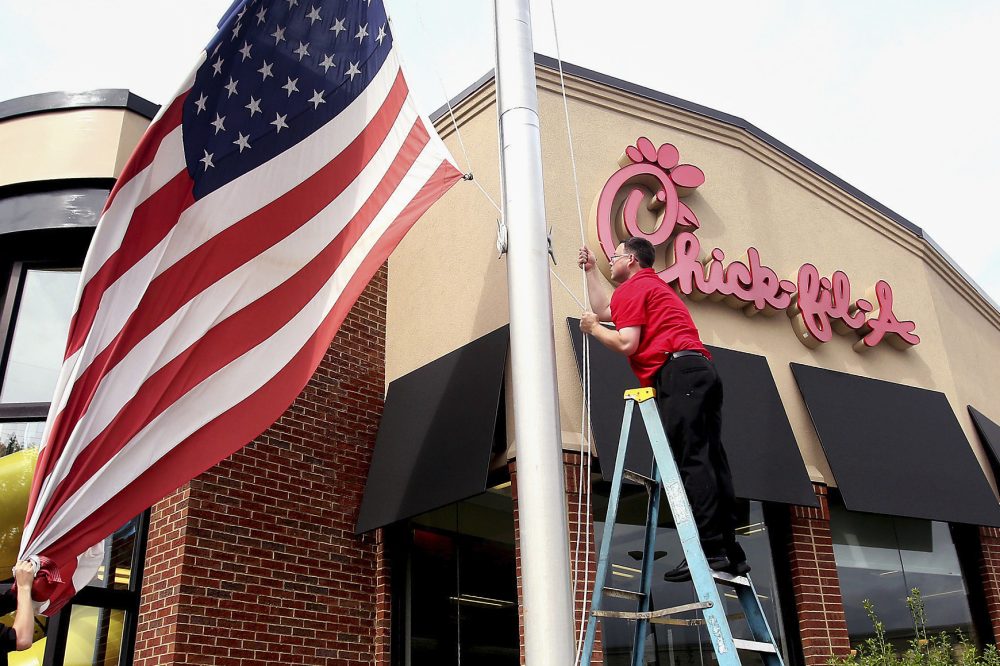
While Chick-fil-A operates no locations in China, the restaurant has captured attention among Chinese students studying in America for an unexpected reason. The brand name phonetically resembles “check files” when pronounced, and in Chinese culture where sound-alike words carry special meaning, many believe this connection brings favorable luck during complex immigration proceedings.
“It feels like I am one step closer to the green card after having a Chick-fil-A meal,” says Zhou Yilu, an AI software engineer in his late 30s who lives in Wilmington, Delaware.
Zhou’s immigration journey spans 14 years since first arriving as a student. His visa experience included multiple document requests while navigating four different visa categories, with one approval coming just days before expiration. During those stressful times, Zhou began patronizing the chicken restaurant chain.
The origin of this practice remains unclear, but it has circulated within Chinese student networks for years, particularly around H-1B applications, which operate through lottery systems that have grown increasingly competitive.
Students have created various Chick-fil-A-themed good luck items: 3D-printed logo coasters, embroidered keychains featuring the company symbol, and social media profile pictures displaying the logo – sometimes changed from red to green to symbolize green cards.
Chick-fil-A representatives did not respond to requests for comment.
Wordplay holds deep cultural significance among Chinese people, especially younger generations.
Christmas Eve traditions include eating apples because “pingguo” (apple in Mandarin) sounds similar to “ping’an ye” (Christmas Eve). Wedding ceremonies feature lettuce bouquets since “shengcai” (lettuce) resembles “getting rich” phonetically. Conversely, many Chinese avoid the number four because it sounds like the Mandarin word for death.
This Chick-fil-A phenomenon illustrates the immigration challenges facing foreign workers seeking legal employment in America, even those with advanced degrees and professional positions.
Statistics show over 46,000 Chinese students and workers received H-1B visa approvals in 2024, representing 11.7% of recipients – the second-largest national group behind India’s 70%.
Fan Wu, a data scientist living in Indianapolis, didn’t win his H-1B lottery despite changing his social media profile picture to the fast-food chain’s red logo and traveling to Hawaii to pray at a Japanese Taoist temple.
“I was forced to turn to these mysteries,” he says. “The lottery itself is a matter of chance. It depends on luck, and we need another mystery to echo it.”
The search for visa luck extends beyond chicken sandwiches. A new service industry has emerged – prayer agents who visit temples across the Pacific on behalf of visa applicants.
Twenty-four-year-old Meng Yanqing in Beijing receives requests through social media platform Xiaohongshu from students worldwide. He visits Beijing’s popular Lama Temple, carrying papers with H-1B visa wishes that include “precise positioning” using clients’ passport numbers and birth dates.
“I respect them, they have their demands, and I offer the service,” says Meng, who also purchases consecrated bracelets from temples and ships them to clients in America. “I truly hope the best for them.”
Recent Trump administration decisions to impose $100,000 fees on H-1B visas initially shocked Chinese students and workers, creating uncertainty before officials clarified the fee applied only to new applications. This roller-coaster experience added stress to an already challenging landscape involving language barriers, cultural differences, and competitive job markets.
Immigration experts argue that employer-sponsored green card pathways through programs like H-1B help America attract top global talent.
“A real talent pipeline,” says Juliet Gelatt, associate director of U.S. Program under Migration Policy Institute based in Washington, “we’ve really benefited as a country and as an economy from bringing in smart young people from all around the world, including from China.”
Growing suspicion toward Chinese immigrants, particularly in technology sectors, creates additional obstacles. Experts warn this atmosphere diminishes America’s ability to attract international talent.
One energy company manager in his late twenties finally adopted the chicken logo as his profile picture after months of visa waiting. Like many Chinese immigrants, he provided only his surname, Yang, preferring anonymity due to visa status concerns. Describing his situation in America, he says, “It feels like living under someone else’s roof.”
H-1B visa lottery participation faces strict limitations. STEM degree holders qualify for three years of optional practical training under F-1 student visas, while other majors receive one year. Afterward, they often turn to Chick-fil-A superstitions while pursuing work visas to continue American employment.
For Harriet Peng, a data analyst living in northern Virginia, eating chicken sandwiches and keeping company merchandise near her workspace proved insufficient. After repeated lottery failures, she traveled to an upstate New York temple for in-person prayers – or as she describes it, to “make some efforts using scientific materialist methods in metaphysics.”
The temple houses numerous deity sculptures representing different life aspects like fortune and childbirth. According to Peng, no specific god oversees visas.
Despite this, Peng jokes, “I knelt in front of almost every god and prayed, in case they all know each other.”