
Chinese economic data released Thursday showed the nation’s economy expanded at a 5% annual rate during the first three months of 2024, demonstrating resilience against early effects from the ongoing Iran conflict.
The quarterly figures, which cover the period when the Iran war commenced, exceeded analyst predictions and marked an improvement over the 4.5% expansion recorded in the final quarter of last year.
Financial experts believe China can withstand immediate economic disruptions from the seven-week-old conflict, though rising energy costs and global inflation concerns pose challenges. Extended warfare could eventually harm international demand for Chinese manufactured goods.
This week, the International Monetary Fund revised China’s economic outlook downward, projecting 4.4% growth for 2026. Chinese officials established a growth target between 4.5% and 5% for this year, representing the nation’s most modest goal since 1991.
“China can likely weather short term disruptions, but a protracted war and higher for longer energy prices would likely start to bite into growth by the second half of the year,” said Lynn Song, chief economist for Greater China at Dutch bank ING.
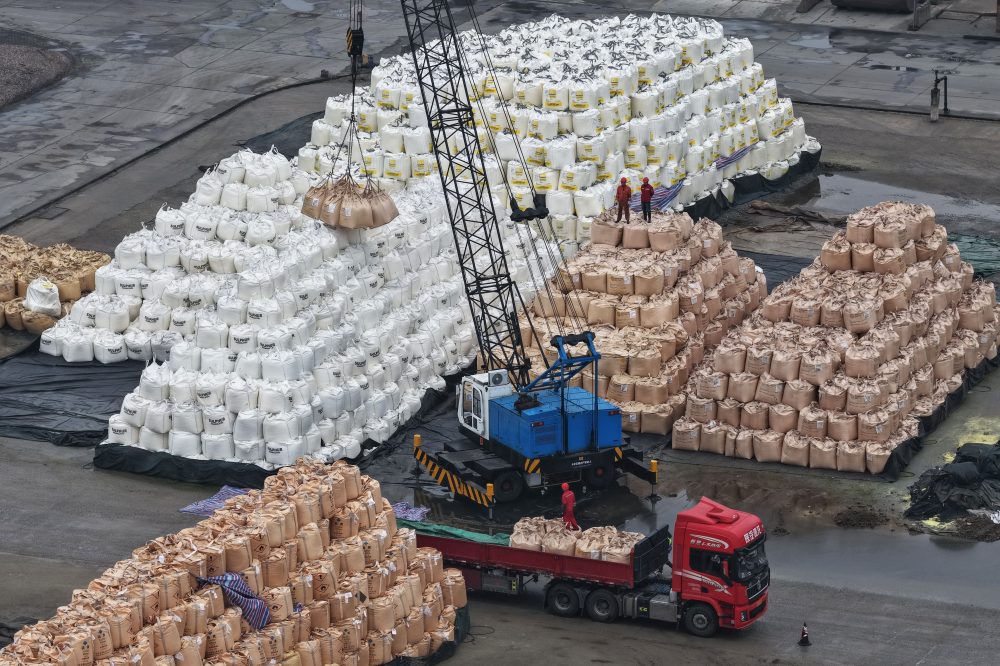
China’s struggling property market has dampened business and consumer confidence over recent years, yet the country met its approximate 5% growth objective in 2023. Strong export performance drove the trade surplus to nearly $1.2 trillion despite increased tariffs imposed by President Donald Trump.
“The lack of a speedy resolution to the Iran war is likely to dent global growth, which will negatively impact other economies’ ability to absorb Chinese exports,” said Eswar Prasad, a professor of economics and trade policy at Cornell University.
Export data released Tuesday revealed a 2.5% year-over-year increase in March shipments, representing a notable deceleration from the prior two months’ performance.
“At a time when all countries are trying to protect their firms, households and economies from the fallout of the Iran war, the appetite for Chinese imports is clearly shrinking,” he said.
Economic analysts suggest China could still reach its annual growth objectives through government stimulus measures, though additional challenges remain. Increased public investment might maintain overall growth figures, but without stronger consumer spending, such policies could worsen deflationary trends and increase export dependency, according to Prasad.