
WASHINGTON – A top Federal Reserve official is urging caution when it comes to lowering interest rates, emphasizing that inflation must show clear signs of declining before the central bank takes action.
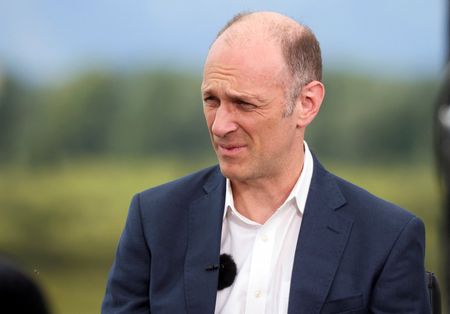
Chicago Federal Reserve President Austan Goolsbee shared his perspective Monday with reporters before addressing the National Association for Business Economics on Tuesday, weighing in on an important discussion taking place within the nation’s central banking system.
“I’m optimistic that by the end of ’26…it would be appropriate that (the policy rate) go down several more cuts,” Goolsbee stated. “But…I’m a little concerned about front loading that too much if there’s not yet evidence that inflation is headed back to 2%, and so far my read is we do not yet have that.”
Currently, inflation continues to run roughly one percentage point higher than the Federal Reserve’s desired target, with minimal improvement seen over the past twelve months.
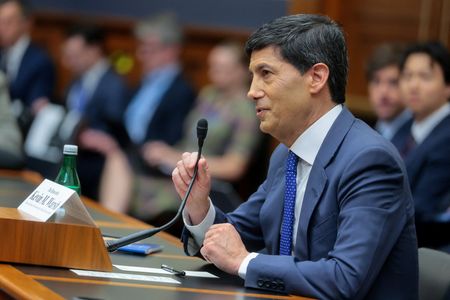
Goolsbee specifically cautioned against relying on anticipated productivity improvements to justify easier monetary policy – a strategy supported by Fed chair nominee Kevin Warsh and current Governor Stephen Miran. These officials believe an emerging productivity boom is strong enough to warrant more relaxed monetary policies, drawing comparisons to the mid-1990s when former Fed Chair Alan Greenspan resisted rate increases based on his belief that enhanced productivity would enable robust growth without triggering inflation.
“It really isn’t the same situation,” Goolsbee explained, pointing out that Greenspan simply postponed eventual rate increases, whereas today’s debate centers on whether to reduce rates while inflation remains elevated after several years above target levels.
“You want to be extremely careful…You can overheat the economy easily” if policy decisions are based on investment expectations that fail to deliver results “as grand as what was forecast. Then you have a big overhang and you just go into a regular downturn,” Goolsbee warned. “Let’s be a little bit careful, circumspect.”
He observed that expectations of future productivity gains can drive up current consumption, a trend he’s witnessing in areas like Cedar Rapids, Iowa, where local contacts informed him that data center construction has created hiring challenges.
“Nobody can hire an HVAC person because data centers are absorbing all the people….Stuff’s getting expensive,” he reported. The circumstances “feels like we have not loosed the bounds of gravity. It feels like, hey, we got a limited scarce resource in the short run, and massive demand of AI data centers is kind of overheating and overloading.”
These concerns align with staff analysis presented during the Fed’s January meeting, according to session minutes that revealed growing attention to how artificial intelligence investment and productivity changes might affect economic forecasts.
Staff members predicted a moderate increase in the economy’s fundamental potential but also indicated that near-term demand “was expected to outpace potential growth” over the next two years, potentially driving prices higher.
The Federal Reserve is anticipated to maintain current rates at the upcoming March 17-18 meeting, with investors not expecting another decrease until July, when Fed chair nominee Kevin Warsh is likely to receive confirmation.
Goolsbee expressed hope that inflation will begin declining by that time, with tariff impacts on import prices likely diminishing – a process he suggested could accelerate following a recent Supreme Court decision eliminating many of these fees.
However, he stressed that rate reductions must wait for concrete evidence.
“We are failing if we’ve got three to three and half percent inflation that is not going away,” he concluded.