
A Canadian official confirmed Tuesday that the country has finalized an agreement to ship liquefied natural gas to Germany through a proposed export terminal on the Pacific Coast.
According to the official, who requested anonymity since they lacked authorization to discuss the matter before Wednesday’s formal announcement, Canada will enter into the contract with Germany’s SEFE group, an organization focused on Securing Energy for Europe. The gas will come from the planned KSI Lisims export facility located along British Columbia’s coastline.
Under the agreement, as much as 1 million metric tons (1.1 million US tons) of liquefied natural gas will be shipped annually.
Prime Minister Mark Carney has established an objective to increase non-U.S. trade by 100% within ten years. Currently, Canada, despite its abundant oil and gas resources, sends nearly all of its energy exports to the United States.
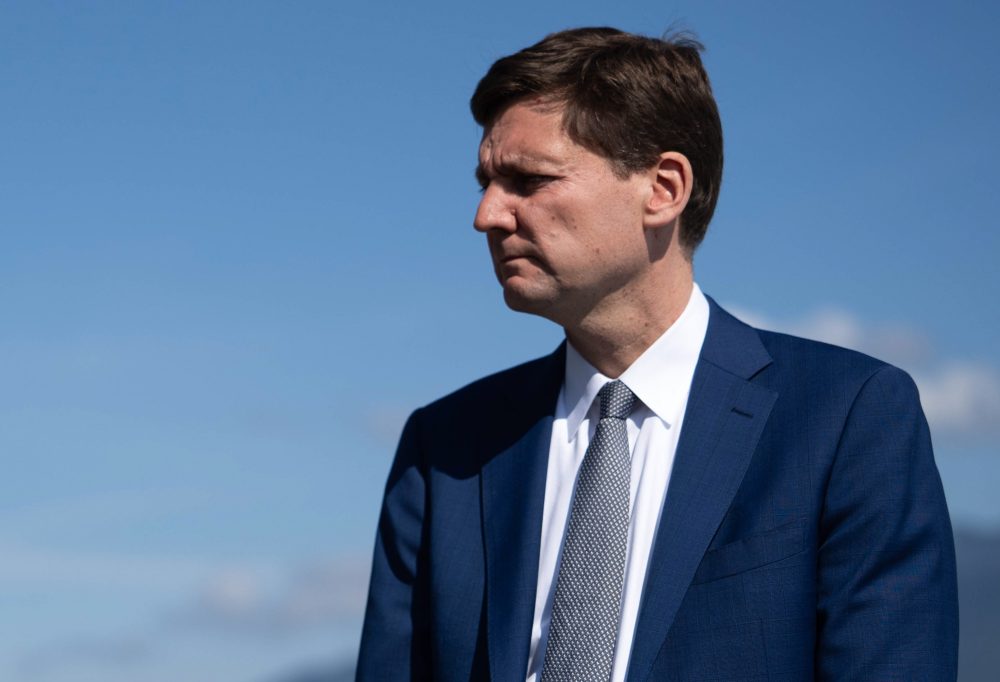
British Columbia Premier David Eby stated earlier Tuesday that securing a contract to provide Canadian liquefied natural gas to Germany represents a crucial milestone for the partners involved in the Ksi Lisims project as they consider moving forward with their $10-billion Canadian (US$ 7.2 billion) processing plant and export terminal.
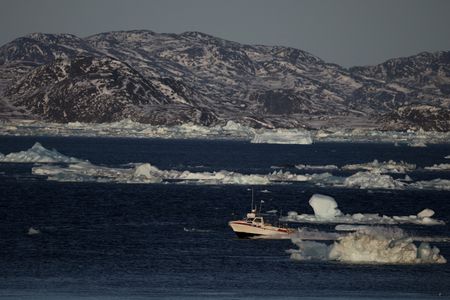
The Ksi Lisims facility, situated on Pearse Island near the Alaska border, has obtained necessary permits, but the consortium has not yet committed to final investment approval that would trigger construction.
According to Eby, establishing purchase contracts with buyers represents an essential requirement before Ksi Lisims can achieve that goal.
The joint venture has previously secured supply contracts with a division of London-headquartered Shell and France-based TotalEnergies.
SEFE operates as a prominent German energy company. The organization previously functioned as Gazprom’s German division until Germany took control of it in 2022 amid Europe’s energy shortage connected to the Ukraine conflict and ongoing Middle East tensions.
When European nations backed Ukraine, Russia dramatically reduced natural gas deliveries used for home heating, electricity production, and industrial operations, sparking an energy shortage that has driven up inflation and forced manufacturing facilities to close as costs have soared.
Before the conflict began, Germany relied heavily on Russian gas imports.