
SACRAMENTO, Calif. — Voters in California concluded their gubernatorial primary election Tuesday, selecting from approximately 60 candidates seeking to succeed term-limited Democratic Governor Gavin Newsom.
The voting period, which started in early May, wrapped up a disorganized campaign without an obvious leader. Contenders pushed against one another in the campaign’s final days as each attempted to persuade voters they were most qualified to govern the nation’s most populous state and one of the globe’s biggest economies.
The state uses a system where all candidates appear on one primary ballot regardless of political affiliation, with the two highest vote-getters moving forward to the November general election. Around 60 candidates appeared on the ballot, with most remaining largely unfamiliar to the state’s approximately 23 million voters.
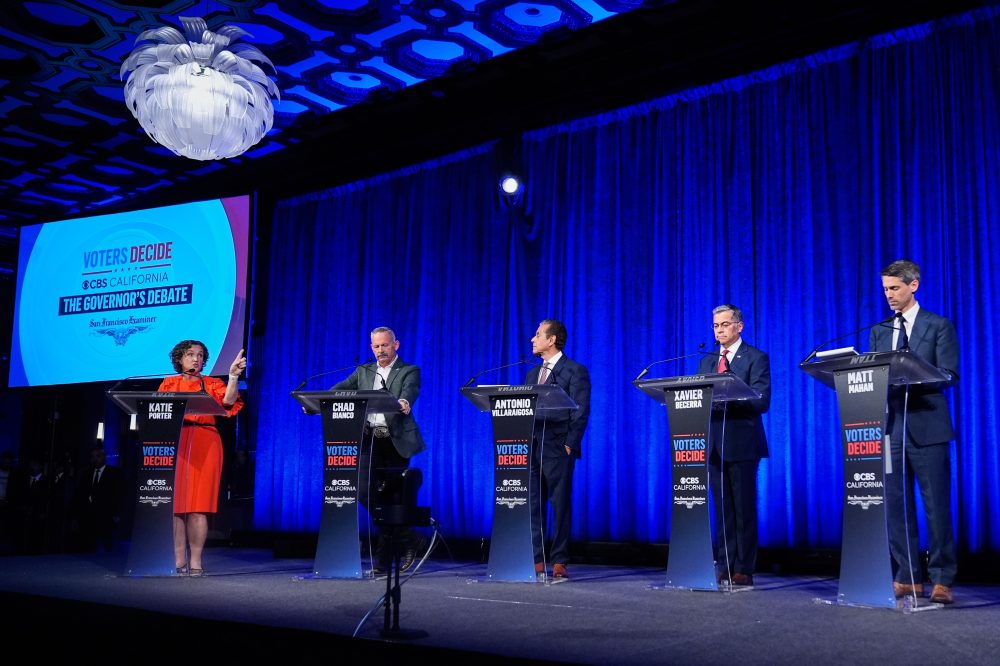
Among Democratic frontrunners are Xavier Becerra, a former state attorney general and U.S. health secretary; Tom Steyer, a billionaire climate activist; Katie Porter, a former member of Congress; and Matt Mahan, the mayor of San Jose.
The most notable Republicans in the race are conservative commentator Steve Hilton and Riverside County Sheriff Chad Bianco.
Democratic candidates focused their campaigns on resisting Trump administration attacks on the state’s progressive policies, while Republican hopefuls promised to bring change following more than 15 years of Democratic control in Sacramento. However, the central theme throughout the campaign was addressing the state’s famously expensive cost of living.
Gas prices reached $6.08 per gallon by the end of May, exceeding the national average by $1.65, according to AAA data. The nonpartisan Legislative Analyst’s Office calculated that typical homes cost approximately $775,000, more than twice the national average. California residents also face the nation’s second-highest residential electricity costs, trailing only Hawaii, based on U.S. Energy Information Administration figures.
Various candidates suggested pausing the state’s gas taxes, which amount to roughly 70 cents per gallon, while others considered subsidizing in-state tuition at public universities. Several Democrats proposed eliminating private health insurance in favor of a government-operated system without premiums, while Republican candidates pledged to boost oil and gas production and cut regulations.
“The truth is that we’ve gone off track — we’ve got one-party rule,” Hilton stated during a May debate. “The results have been such a disappointment. It is time for some balance.”
Early in the campaign, Democrats expressed concern about potentially being excluded from the general election despite representing 45% of the state’s registered voters compared to Republicans’ 25%.
The worry centered on their relatively large candidate pool potentially dividing Democratic support enough for both Republicans to advance under the single primary format, which debuted at the statewide level in 2014.
California has never seen two candidates from the same party reach the general election in a gubernatorial race, though this occurred twice in U.S. Senate contests in 2016 and 2018.
Recent developments, however, reduced Democratic concerns as several candidates emerged as frontrunners. In the campaign’s closing days, Hilton cautioned that Republicans might be excluded if they didn’t unite behind his candidacy.
Democratic Representative Eric Swalwell’s resignation and exit from the race following sexual assault allegations created an opportunity for Becerra, who had previously struggled to build momentum.
Emphasizing his extensive political background, Becerra began increasing fundraising and secured endorsements from influential labor organizations and Latino legislative leaders.
However, this progress also made him a target, with opponents criticizing his tenure as health secretary, including his management of an influx of unaccompanied migrant children at the U.S.-Mexico border in 2021, when Becerra’s Department of Health and Human Services oversaw shelters housing them. Some facilities faced criticism for inadequate living conditions, and concerns arose about authorities failing to properly screen sponsors who received some children.
“The secretary has never met a crisis that he couldn’t ignore,” Mahan remarked during an April debate.
Steyer’s campaign invested or reserved more than $203 million for broadcast television, cable, and radio advertisements, according to AdImpact tracking. During campaigning, he faced criticism over previous investments in fossil fuels and private prisons through a hedge fund he established in the 1980s and departed over a decade ago. Some critics accused him of attempting to purchase the election.
“This race will come down to those who’ve earned it versus those who are trying to buy it,” Becerra told CNN in April.
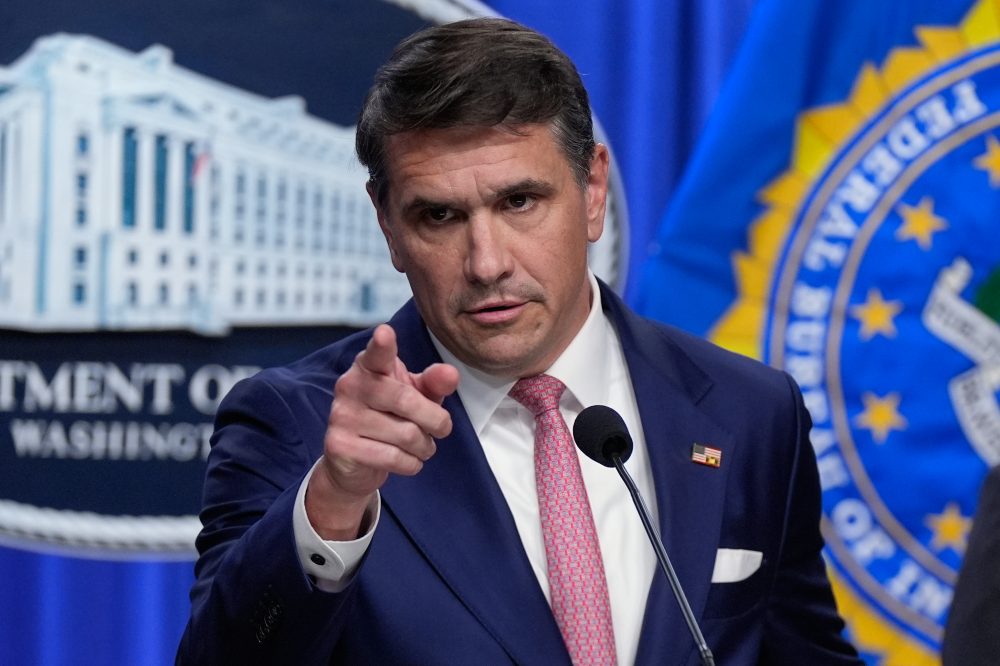
Republicans never unified around a plan to advance both Hilton and Bianco to the general election, with the two competing to consolidate support. President Donald Trump’s April endorsement of Hilton, a former political adviser to a conservative British prime minister, likely strengthened his position among GOP voters and weakened Bianco’s advancement prospects.
Trump reiterated his support for Hilton Monday evening, claiming Democrats have performed an “absolutely horrendous job” governing the state.
“Steve can turn it around, before it is too late, and, as President, I will help him to do so!” Trump wrote on his social media platform.
Every California voter receives a mail ballot, and election officials tally those received up to one week after Election Day provided they bear proper postmarks. This frequently creates extended counting periods, with winners sometimes not declared for days or weeks.
This marks the first time in over twenty years without a political celebrity in the governor’s race. In 2003, A-list actor and Republican Arnold Schwarzenegger surged to victory in a recall election removing then-Governor Gray Davis; in 2010, former Democratic Governor Jerry Brown secured a political comeback by winning nearly three decades after his initial two terms; and in 2018, Newsom had already built a national reputation through roles as lieutenant governor and San Francisco mayor before winning decisively.