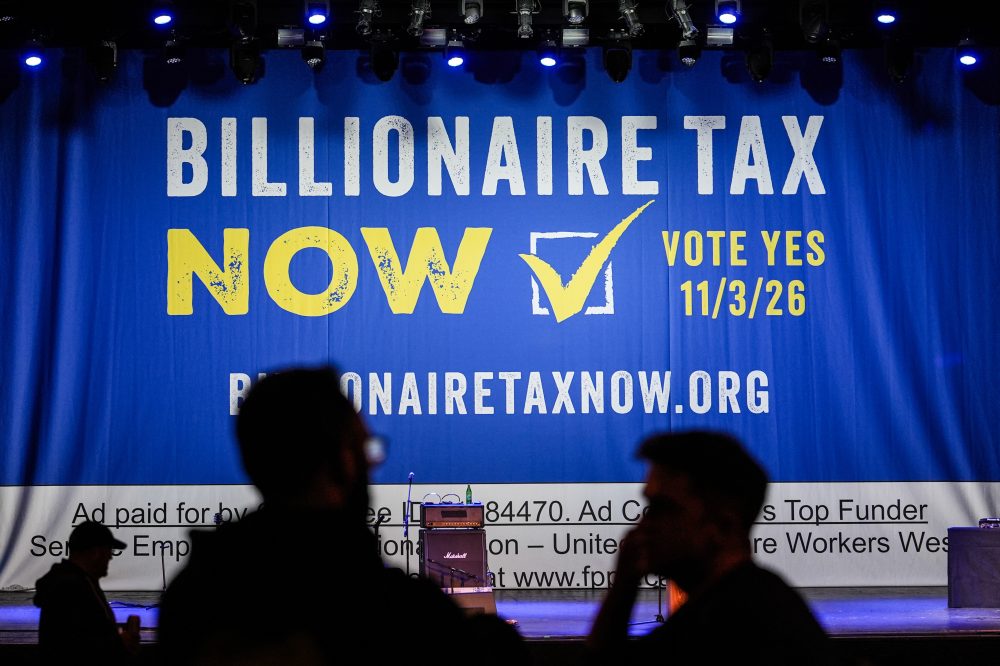

SACRAMENTO, Calif. — A California ballot initiative that would temporarily raise taxes on billionaires to help cushion the blow of federal cuts to low-income healthcare has gathered enough public support to go before voters this November, according to the state’s top elections official.
Secretary of State Shirley Weber, a Democrat, announced Wednesday evening that petition gatherers have surpassed the approximately 875,000 signatures required to place the measure on the ballot. The initiative is set to officially qualify on June 25, unless its supporters choose to withdraw it before then.
The proposal, which is backed by the Service Employees International Union Healthcare Workers West, would place a one-time 5% tax on individuals with a net worth above $1 billion who were living in California as of January 1, 2026. Supporters aim to raise $100 billion, with the bulk of that money going toward the state’s Medicaid program and the remainder directed to food assistance and education initiatives.
The debate comes as states across the country are wrestling with how to respond to major tax and spending cut legislation signed by President Donald Trump last year. The proposal has created a rift among Democrats and major labor unions and has already sparked a costly campaign to defeat it. Vermont Sen. Bernie Sanders is among the prominent progressive voices who have voiced support for the measure.
Opposition has been strong, particularly from Silicon Valley tech executives, Democratic Gov. Gavin Newsom, and influential Sacramento figures. The California Medical Association and California School Boards Association joined forces this week to form a committee aimed at defeating the measure. Newsom previously opposed a 2022 ballot measure that would have raised taxes on wealthy Californians to fund electric vehicle programs — a measure voters ultimately rejected.
Opponents of the current proposal argue that taxing the ultra-wealthy at this level would ultimately hurt state revenue by driving billionaires to relocate, taking their future income tax contributions with them. California currently depends on its top 1% of earners for nearly half of all personal income tax revenue, making such an exodus potentially devastating to the state’s finances.
The nonpartisan Legislative Analyst’s Office has projected that while the measure could generate tens of billions of dollars in its early years, income tax revenues could then fall by hundreds of millions of dollars each year afterward.
Since the initiative was first announced in October, Google co-founder Sergey Brin has contributed $82 million to a political committee called “Building a Better California,” which supports various efforts designed to undercut the billionaire tax proposal. That committee has now raised more than $118 million in total, drawing from fewer than a dozen donors.
Meanwhile, California state lawmakers passed budget legislation this week that would raise revenue through other means, including extending an existing tax on healthcare providers. Senate President pro Tempore Monique Limón confirmed that both Newsom and legislative leaders are aligned on this alternative approach.
“The budget, as approved by the Legislature and now being negotiated with the Governor, does not include the billionaire’s tax,” said Limón, a Democrat. “Instead, it reflects additional revenues to address our long-term structural deficit.”