
An aerospace manufacturer is confronting over 30 legal challenges following an incident where a chemical storage tank overheated and nearly exploded, leading to the mass evacuation of approximately 50,000 Orange County, California residents last month.
Debbie Cohran, whose home sits roughly 500 feet (152 meters) from the GKN Aerospace plant in Garden Grove, didn’t receive evacuation notice until hours after the chemical leak began, her legal filing states. Her lawsuit claims she suffered nausea and headaches that persisted for days following the incident.
Melanie Rose Burciaga from neighboring Westminster had recently delivered her first baby and was forced to leave the hospital when evacuation orders were issued, according to her attorney’s lawsuit filing.
Juan Diego Orozco was working on a street repair team in Garden Grove when the tank began overheating. He reported headaches and sought hospital treatment for breathing difficulties and vomiting, his attorney stated.
Over 100 people — including families with pets — along with area businesses are pursuing legal action against the U.K.-based GKN Aerospace, alleging the company failed to properly maintain a secure facility in a densely populated area.
Court filings show ten class action cases in federal court, with 21 additional cases in state court representing between one and 31 plaintiffs each. The legal actions demand both compensatory and punitive damages.
Sarah Hasse Blodgett, a spokesperson for GKN Aerospace, did not provide an immediate response Thursday when asked about the lawsuits and their allegations.
Adam Zimmerman, a professor at the University of Southern California Gould School of Law who is not involved in the litigation, said the federal cases will likely be consolidated and the state cases will likely be moved under one judge, to ensure they are handled efficiently. Some of those state lawsuits may be moved to federal court, he said.
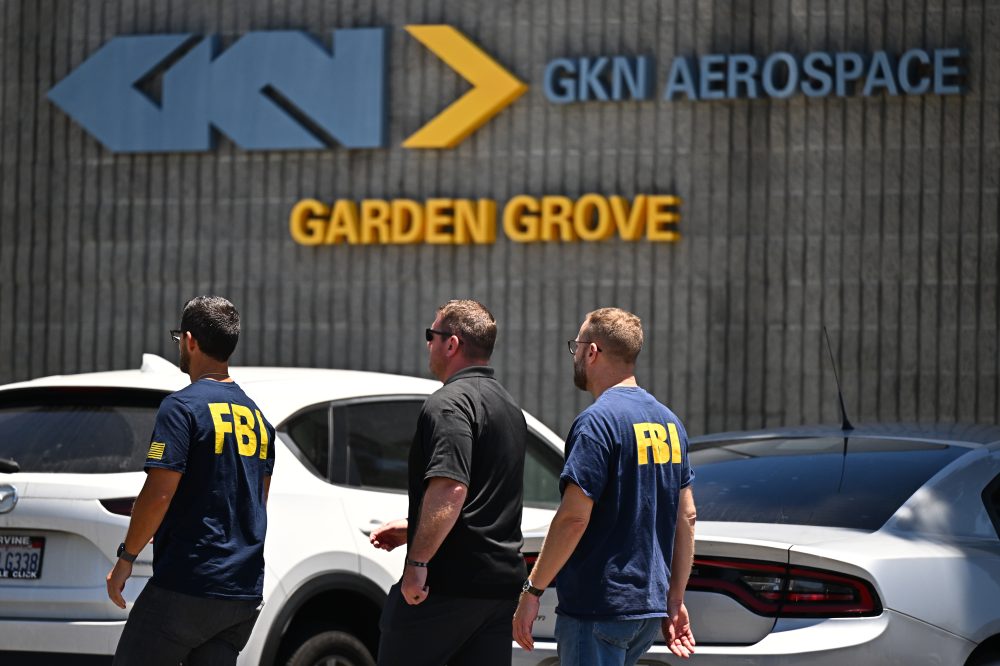
Federal scrutiny intensified Wednesday when FBI agents executed a search warrant at the facility to gather documents and records concerning the “storage, use, or disposal” of methyl methacrylate, the substance stored in the problematic tank.
The Environmental Protection Agency announced Thursday it had partnered with the FBI to “search for and seize evidence of potential federal environmental crimes.” The agency refused to elaborate, stating it doesn’t discuss ongoing criminal investigations.
GKN Aerospace manufactures cockpit windows, canopies and windshields. The overheating tank, which began malfunctioning on May 21, held between 6,000 and 7,000 gallons (22,700 to 26,500 liters) of methyl methacrylate, a highly combustible substance. This liquid serves in producing plastics and coatings like Plexiglas.
Health authorities reported no contamination or fumes escaped, and they intend to conduct air monitoring for several months. Contact with the chemical can result in severe breathing issues, neurological complications and irritation to skin, eyes and throat, the EPA warns.
While the tank avoided explosion, thousands of area residents were displaced from their homes for three to five days until emergency crews managed to stabilize the container.
Blodgett stated the company was working with federal investigators.
GKN Aerospace senior vice president Steve Carlin spoke at a community meeting Tuesday, saying he was sorry that the event occurred, and that it was especially unsettling because the company has a long history with the community.
Multiple lawsuits contend the company bore responsibility for maintaining the tank, cooling equipment, valves and monitoring systems to protect community safety.
The legal filings describe how residents were compelled to abandon their homes and cover costs for lodging, meals and other necessities, creating financial hardship. They also report experiencing stress throughout the evacuation and ongoing worries about chemical exposure.
Local businesses also took a hit. The crisis unfolded during Memorial Day weekend — when many restaurants and food service companies bring in some of their best revenue of the year.
“Our data shows approximately 3,000 businesses were forced to shut down because of the evacuation, and at least another 3,000 businesses right outside the evacuation zone while not forced to close, but had their revenue dropped considerably because of the tank failure and evacuation,” said lawyer Richard McCune, who has filed a class action lawsuit on behalf of Big Rob’s Pizzeria and Fruit Caboose Concessions.
Legal representatives say the FBI probe will strengthen their court cases.
“We trust that the search will uncover important information and materials related to this crisis,” said lawyer Sean Litteral, who represents Jonathan Sanchez, a father of two children, including an infant born just days before the crisis.