
LONDON (AP) — The United Kingdom and its international partners face the possibility of defeat in digital warfare against enemies like Russia if citizens, businesses and government agencies don’t make cybersecurity a far more pressing priority, according to a top British intelligence official.
Anne Keast-Butler, who leads the communications intelligence agency GCHQ, plans to deliver a warning Wednesday that Moscow is “relentlessly targeting critical infrastructure, democratic processes, supply chains and public trust” throughout Britain and Europe. Speaking at a historic World War II codebreaking facility outside London, she will claim Russia is conducting technology theft while planning sabotage operations and assassination plots.
Keast-Butler intends to state that swift developments in artificial intelligence indicate “the ground beneath our feet is shifting” and there exists a “narrowing window for the U.K. and allies to stay ahead” of nations like China, which she describes as a science and technology “superpower.”
She will contend that efforts must be made “from boardrooms to living rooms” to make cybersecurity “10 times more urgent,” based on excerpts provided beforehand by GCHQ, which stands for Government Communications Headquarters.
This represents another in a series of alerts from Western intelligence officials and security specialists that Russia is escalating aggressive actions in what they call a “gray zone” that remains just short of actual warfare.
Over recent months, government officials in nations including Sweden, Poland, Denmark and Norway have claimed that computer hackers connected to Russia have attacked their essential infrastructure, including electrical facilities and water systems.
Richard Horne, who directs the U.K.’s National Cyber Security Centre, cautioned last month that antagonistic nations including Russia, China and Iran are responsible for the most dangerous cyber attacks facing the country. He indicated such assaults might escalate significantly if Britain enters an international military conflict.
Keast-Butler intends to emphasize how crucial international cooperation remains as U.S. President Donald Trump’s “America First” approach to foreign relations and dismissal of traditional allies creates tension between London and Washington.
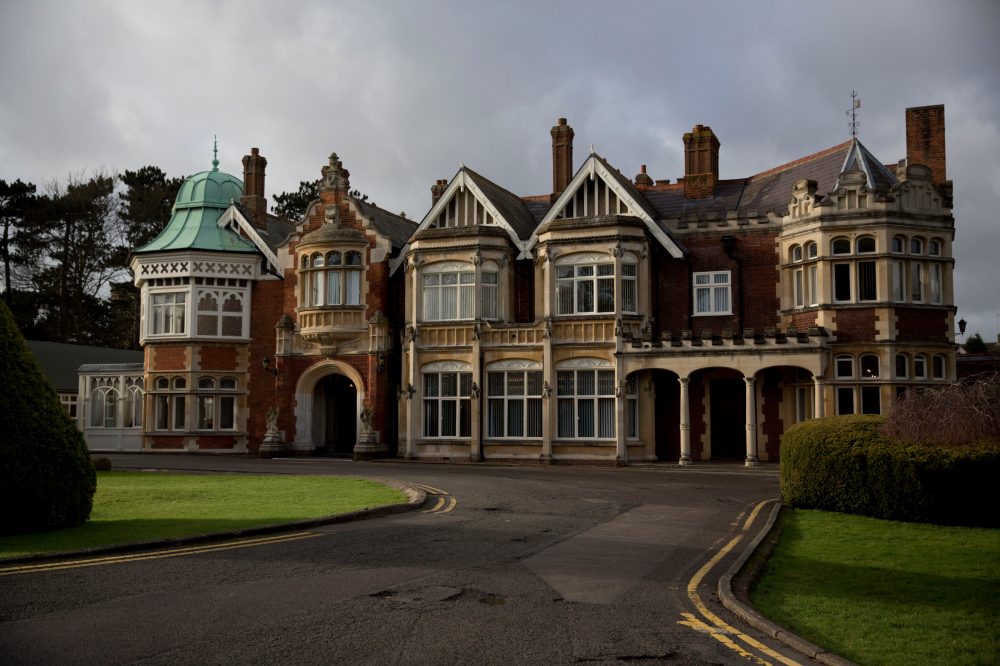
Notably, she will present the annual GCHQ director’s address at Bletchley Park, an estate located 45 miles (72 kilometers) northwest of London where hundreds of mathematicians, code specialists, puzzle solvers, chess experts and other professionals labored to break Nazi Germany’s supposedly impenetrable secret communications.
Their efforts both reduced the length of the war and accelerated the development of contemporary computing technology.