
SAO PAULO (AP) — Brazil’s administration revealed Wednesday its commitment to spend $75 million on the BR-319 roadway that passes through Amazon rainforest territory, despite environmental advocates warning the project may speed up forest destruction and intensify climate issues.
The government of President Luiz Inácio Lula da Silva concurrently revealed environmental safeguarding measures designed to protect the forest from possible highway-related damage. The roadway links northern states Amazonas and Rondonia to Brazil’s remaining regions.
“From an environmental standpoint, it will be the most modern road in the world,” Lula stated at an Amazonas state ceremony, joined by Environment Minister João Paulo Capobianco.
“Any foreigner who comes here to weigh in on the climate issue, we will show what we’ve done here,” Lula stated.
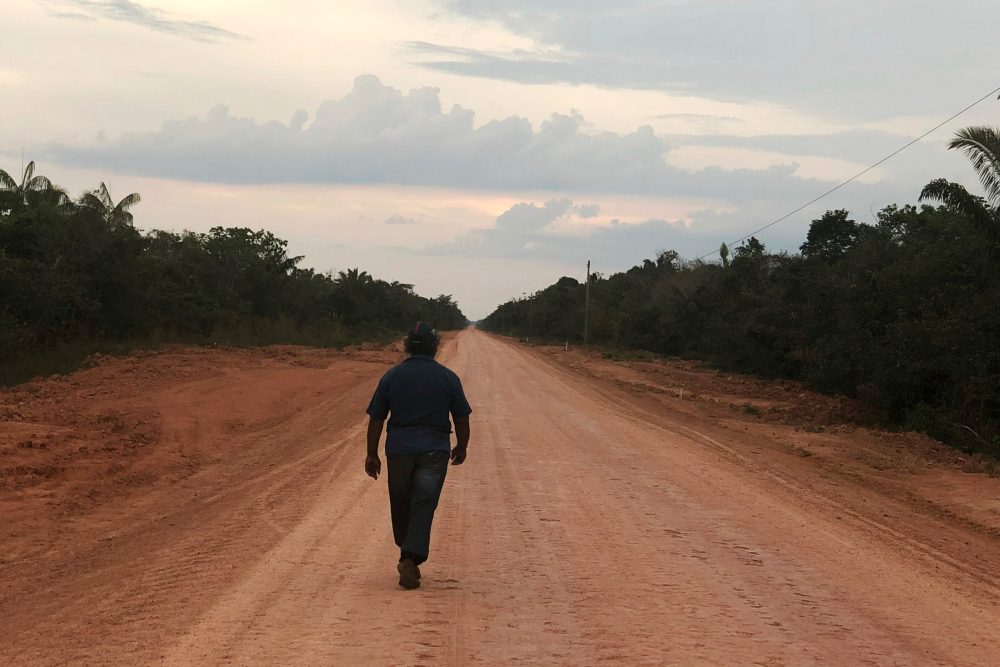
The BR-319 roadway opened in 1976 yet stays mostly unpaved. It passes through Amazon rainforest territory and connects to Manaus, the Amazon’s biggest city with over 2 million people. The route follows the Madeira River — a major Amazon River tributary affected by droughts that interrupt freight transportation.
During Wednesday’s event in Iranduba, an Amazonas city located approximately 23 miles (37 kilometers) from Manaus, Brazilian officials also revealed regional investments featuring projects from government oil company Petrobras and subsidiary Transpetro in Amazonas. Lula appeared with regional politicians anticipated to back his reelection bid for a fourth non-consecutive term this October.
Authorities presented a video detailing environmental safeguarding strategies for the roadway, featuring environmental oversight of a 50-kilometer-wide (31-mile-wide) zone on both sides of the route throughout its length. They explained the roadway needs enhanced government presence since it travels through one of the rainforest’s most delicate regions.
Officials also promised to establish inspection stations, enforcement agency facilities and develop new conservation areas. They stated plans to contract a private company in 2028 for enforcement support.
Tuesday saw Lula touring a highway section, photographing with equipment and workers, and seemingly operating machinery while work progressed on the unpaved route.
Environmental organizations, including the Climate Observatory, have legally contested the project. In 2024, Climate Observatory initiated legal action to reverse the 2022 preliminary authorization for BR-319 highway paving, claiming officials disregarded technical advisories from Brazil’s environmental agency and neglected to mandate essential protections like Indigenous consultation and climate impact assessments.
Additional legal actions temporarily stopped a related bidding procedure in April, though a superior court quickly reversed the halt.
Minister George Santoro stated Wednesday that the complete highway will be contracted and under construction by June’s end.
The Amazon, Earth’s biggest rainforest, serves a vital function in controlling global climate patterns. The route passes through one of the ecosystem’s most preserved areas, containing numerous protected zones and Indigenous lands.
Scientific studies have demonstrated that constructing new rainforest roads increases deforestation by encouraging illegal side route development. A 2014 study in Biological Conservation journal revealed 95% of forest clearing happens within 5.5 kilometers (3.4 miles) of roads. Each 1 kilometer (0.6 miles) of official roadway generates roughly 3 kilometers (1.9 miles) of unofficial routes.
Marina Silva, a previous environment minister under Lula’s administration, stated during last year’s Senate hearing that BR-319 area deforestation increased immediately following roadwork announcements. She left office in April to pursue Congress candidacy.
Marcio Astrini, executive director of Climate Observatory, stated the government is circumventing proper procedures in implementing environmental protection measures. A deforestation prevention strategy for the highway, he argued, should have been discussed, authorized and executed before paving started — not simultaneously as currently occurring.
“Just the simple announcement under (former President Jair) Bolsonaro’s government that the road would be rebuilt nearly doubled land grabbing and deforestation in the area. Laying asphalt there creates another incentive,” Astrini stated. “If there are no protection measures in place, it just becomes yet another driver of deforestation.”