
Dozens of community organizations across the American South are set to receive a financial boost this summer, as a nonprofit dedicated to Black women and girls announces a new round of grant funding.
The Southern Black Girls and Women’s Consortium will distribute $350,000 among 24 Southern community groups operating across thirteen states. The money is intended to support organizations tackling pressing issues affecting underserved Black women and girls, including maternal health, prevention of gender-based violence, and educational assistance.
The announcement arrives at a challenging time for organizations focused on underserved communities, many of which are feeling the financial squeeze following the Trump administration’s efforts to dismantle diversity, equity and inclusion programs. The administration has used civil rights laws — historically seen as protections for marginalized groups — to pursue investigations into what it describes as “anti-white racism” and “illegal DEI” practices within corporations, nonprofits, and government agencies.
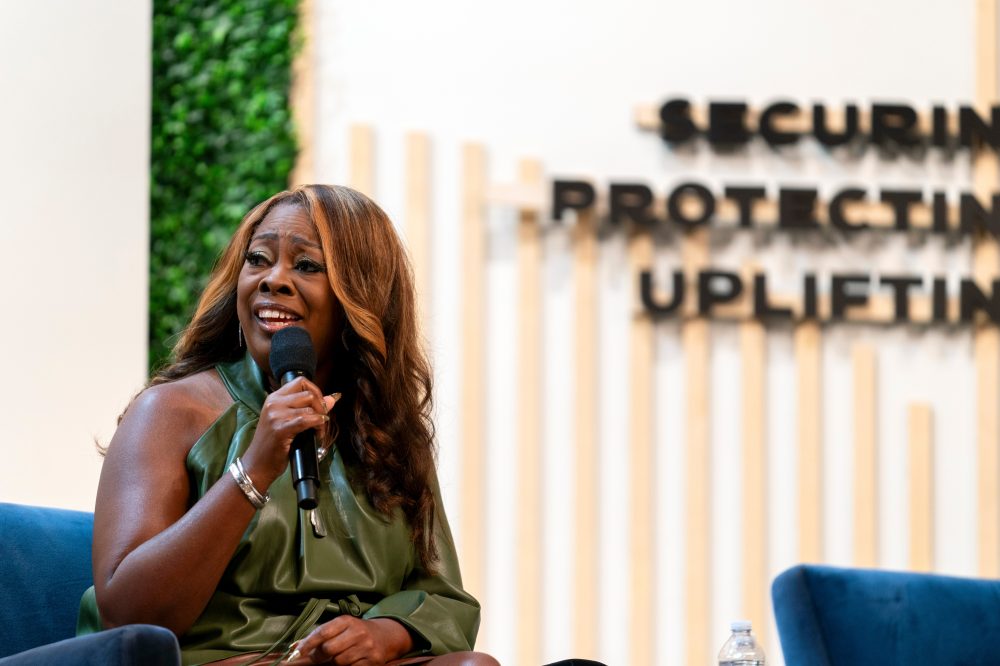
“We’ve seen this retrenchment in philanthropy, and people are not putting resources on the ground,” said Chanceé Lundy, the organization’s executive director. “Organizations are struggling, and we want to make sure that people know that we see them. We value the work that we’re doing, and we want to be able to help fill some of the gaps that they are experiencing.”
Alongside the grant announcement, the consortium is launching its summer “Joy and Justice” tour, a series of community-building events, resource drives, and festivals planned for nine cities. The majority of tour stops will be held at schools and community centers located in predominantly Black neighborhoods. One event is planned at the Virginia Capitol, where agency leaders advocating for diversity in state government are expected to participate.
Southern Black Girls has managed to hold on to support from some major corporations and foundations, but Lundy described maintaining those relationships as “extremely difficult” for most organizations right now, given that backing race- and gender-conscious groups could draw scrutiny from the federal government.
LaTosha Brown, a voting rights activist and co-founder of the organization, put it bluntly: “We’re being punished for who we are.”
President Donald Trump defeated former Vice President Kamala Harris — the first Black woman nominated for president by a major political party — in the last election. According to an AP VoteCast survey, roughly nine out of ten Black women supported Harris. Brown said Black women’s long history of involvement in progressive politics has made them a “target” in the current political environment.
“We have always been anchored, particularly in the social justice movements of this country, and I don’t think that that’s any different now. I think in many ways it has been exacerbated, just given the environment,” Brown said.
Both Brown and Lundy pointed out that Black women have historically faced discrimination and exclusion across the South, even as they remained essential contributors to the region’s economy and culture. Lundy reflected on stories of earlier generations of Black women who cared for white families that supported Jim Crow-era policies — laws that underfunded Black schools, suppressed voting rights, and allowed political violence against Black communities.
“You have to have a deep, deep sense of humanity to be able to do that,” Lundy said. She added that the tour is also about honoring Black women’s role in American history as the nation approaches its 250th anniversary. “We’ve kept our humanity intact through it all, and I think this moment requires that.”
Lundy said her ultimate hope is that the tour and grants will help young Black girls realize their full potential. Her message to them, she said, is a joyful one: “You matter now in this moment. And you’re not a victim. You are actually the solution, that you are the antidote to what is happening right now.”