
BEIRUT – As Israeli airstrikes hammered southern Beirut neighborhoods early Monday morning, a pregnant Sudanese refugee named Ridina Muhammad had to make a desperate escape with her family, walking through darkened streets until they reached safety at a local church.
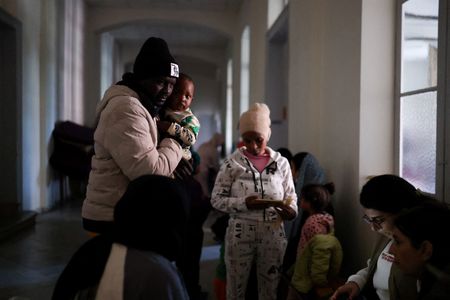
Muhammad, 32 and eight months pregnant, trekked for hours alongside her husband and three children before finding transportation to St. Joseph Tabaris Parish, one of the few places willing to shelter refugees and migrants during the current conflict.
The family joins approximately 300,000 people forced from their homes throughout Lebanon this week due to intense Israeli bombardments, which came as retaliation for rocket and drone attacks launched by Hezbollah into Israeli territory.
While government facilities house only 100,000 of those displaced, with others staying with family or sleeping outdoors, refugees and migrants report being denied access to official shelters – the same treatment they experienced during previous conflicts between Israel and Hezbollah.
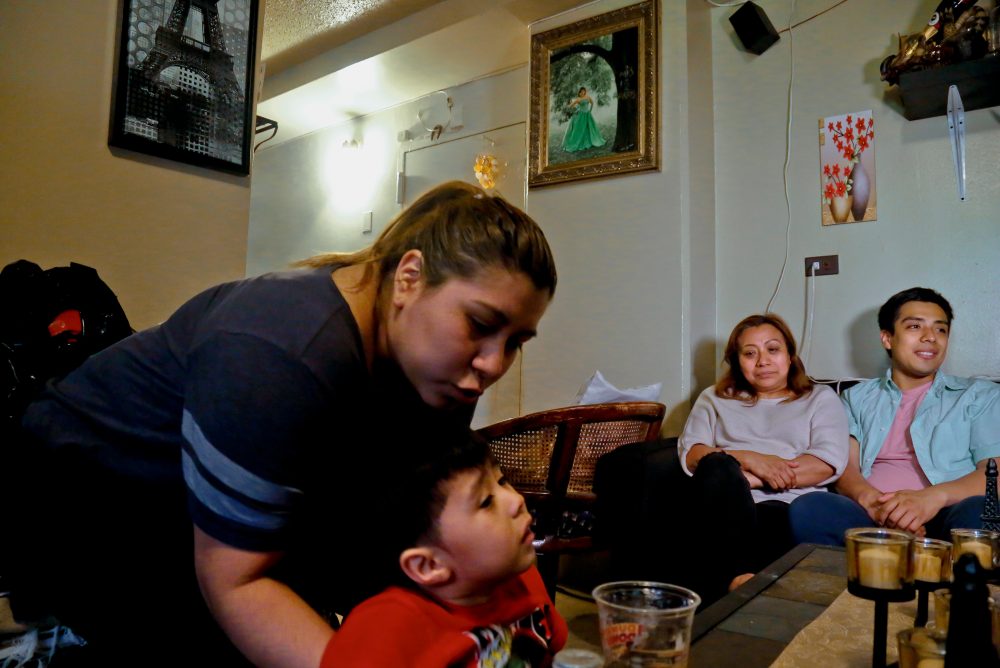
Muhammad’s seven-year-old daughter lost the ability to speak following the 2024 war, and now the family faces even greater hardships with their home destroyed and Muhammad’s delivery date approaching at month’s end.
“I don’t know if there’s a doctor or not, but I’m really scared about it because I haven’t prepared any clothes for the baby, nor arranged a hospital, and I don’t know where to go,” Muhammad explained to reporters while her younger child rested against her swollen belly.
Despite registering with the UN refugee agency (UNHCR), Muhammad says she has received no assistance during this crisis.
“Us, as refugees, why did we register with the U.N., if they are not helping us in the most difficult times?” she questioned.
UNHCR Lebanon representative Dalal Harb acknowledged the agency’s mobilization efforts but noted the enormous challenge of reaching everyone given the rapid scale of displacement. She revealed that UNHCR’s Lebanon operations currently receive only 14% of needed funding.
The Jesuit Refugee Service (JRS), which previously assisted the church in hosting displaced individuals in 2024, has resumed its support role.
According to Michael Petro, JRS Emergency Shelter Director, the church reached capacity within 24 hours of the strikes beginning, now housing 140 people from South Sudan, Ethiopia, Bangladesh, and other nations.
“There are many, many more people coming than there were in 2024, and we have fewer and fewer places to put them,” Petro noted.
Petro revealed that weeks before the current escalation, he was assured government shelters would welcome migrants if warfare resumed. However, when strikes commenced and even Lebanese citizens struggled to find refuge, that policy appeared to shift.
“We’re hearing from hotlines up to government officials and ministries that migrants are not welcome,” Petro stated.
Lebanon’s Social Affairs Minister Haneen Sayyed did not respond to requests for comment, though she announced Thursday that Beirut shelters had reached full capacity.
When the bombardment started, 41-year-old Sudanese resident Othman Yahyeh Dawood loaded his two young sons onto his motorcycle and traveled 75 kilometers from the southern town of Nabatieh to St. Joseph’s, where they had previously found shelter in 2024.
“I know the area is safe and there are people who will welcome us,” Dawood said.
“We don’t know where to go; there’s war there (in the south), war here (in Beirut), war in Sudan, and nowhere else to go,” he added.