
SYDNEY, May 13 — Australian Prime Minister Anthony Albanese has implemented significant changes to property investment tax incentives, sparking praise from prospective homebuyers while drawing sharp criticism from real estate investors in what analysts view as a pivotal policy decision for his second term.
The Labor administration reduced tax write-offs for property investors and modified the capital gains tax structure in Tuesday’s budget announcement, abandoning the previous flat 50% discount for assets owned longer than one year in favor of an inflation-adjusted system. This represents a reversal of campaign commitments made during last year’s election cycle.
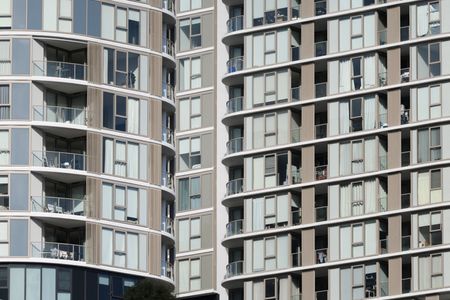
The policy changes carry exceptional significance in Australia, where real estate investment dominates national financial planning and wealth-building strategies, despite housing costs ranking among the globe’s least affordable markets.
Government officials prepared for the announcement by emphasizing generational equity concerns, a messaging strategy political experts believe targets younger demographics. Early responses revealed a clear divide, with many young Australians supporting the reforms while current investors expressed doubts about their impact.
“I think for too long, the way that tax has been set up in this country massively benefits those who already have wealth, those who already have assets, those who already own homes, those who are already investing,” said Sharath Mahendran, a 24-year-old student in Sydney who does not own a home and supports the changes.
However, Jack Henderson, a 29-year-old investor who owns 17 properties, argued the modifications would unfairly burden smaller-scale investors lacking sophisticated tax planning resources.
“Your normal mum-and-dad investor who is literally just trying to get ahead by buying one or two investment properties, which is over 80% of property investors in Australia, that’s who it’s going to affect, which is sad,” he said. “They’re not going to know what to do.”
The capital gains tax discount, established in 1999 under a conservative coalition administration, combined with years of declining interest rates and substantial immigration, has pushed housing costs beyond reach for typical Australians without family wealth.
During his budget presentation, Treasurer Jim Chalmers highlighted that residential property values have increased more than 400% since 1999, outpacing average wage growth by a factor of two.
Currently, Australia claims five positions among the 15 least affordable cities globally based on price-to-income ratios, with only Hong Kong’s densely populated market exceeding Sydney’s costs, according to Demographia research.
Labor previously suffered electoral defeat in 2019 while campaigning on similar reform proposals. The party gained confidence after securing power in 2022 and significantly expanding its parliamentary majority in last year’s election, though observers still anticipated the capital gains and negative gearing policies would remain untouched.
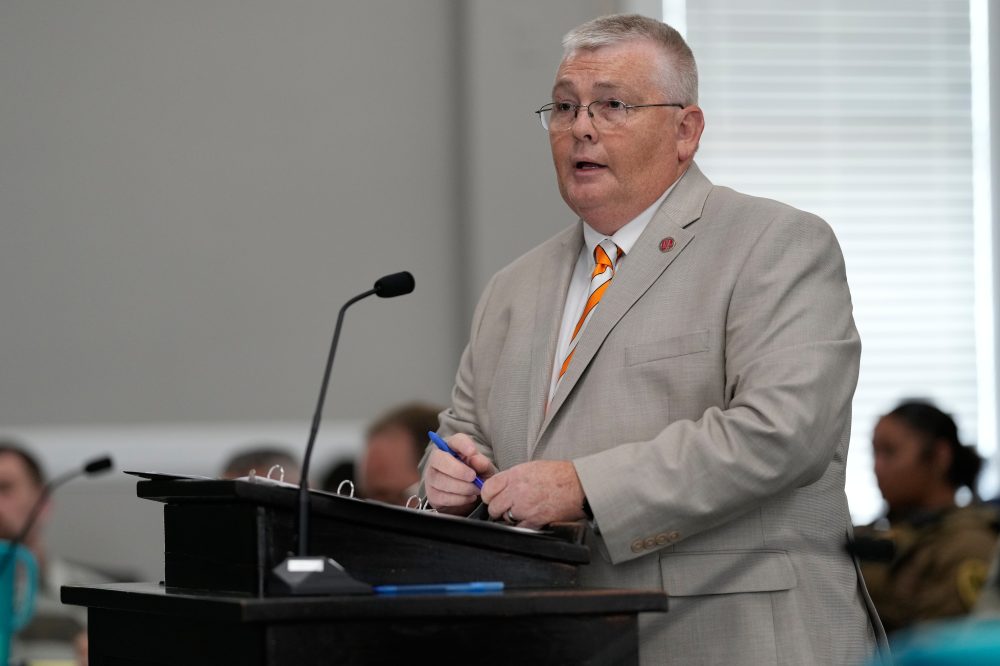
Chalmers acknowledged Wednesday that the policy shift would prove “very politically contentious,” while conservative opposition leaders condemned the administration for violating election promises and pledged to resist the changes.
Political analysts characterized the move as surprisingly aggressive for the typically cautious Albanese.
“Once they won with such a massive majority, what really came out of that was not so much of a vindication of their election strategy, but pressure from voters to say, ‘hey, you don’t have any excuses anymore’,” said Greg Jericho, chief economist at the Australia Institute think tank.
Last year’s election marked the first time Millennial and Generation Z voters exceeded Baby Boomers — those born between 1946 and 1964 — who have predominantly benefited from existing tax advantages.
Chalmers projected that 75,000 prospective homebuyers previously excluded from the housing market would gain purchasing power through these policy adjustments.
“It’s becoming increasingly clear and increasingly unacceptable to see so many young Australians, and Australians more broadly, locked out of the dream of owning their first home,” Chalmers said in a television interview on Wednesday.