
Shipping industry leaders predict that Asian maritime companies will likely resume passage through the strategically vital Strait of Hormuz ahead of their Western counterparts, citing differences in risk tolerance and sanctions compliance approaches.
Speaking at the FT Commodities Global Summit on Wednesday in Lausanne, executives explained that Asian operators appear more willing to navigate the dangerous waters and accept Iranian toll requirements, unlike Western firms bound by strict sanctions protocols.
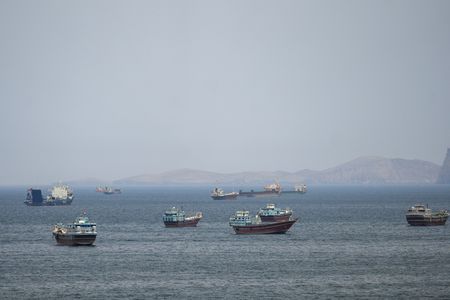
The situation has created an unprecedented maritime crisis, with hundreds of tankers and cargo vessels trapped within the Middle East Gulf since February’s end, unable to transit the crucial waterway. This blockade has generated what experts describe as the most significant energy supply disruption in global history.
Recent escape attempts have met with violent responses from Iranian forces. While some vessels managed to exit the Gulf last Saturday, Iran swiftly halted further departures by opening fire and ordering ships to return. Wednesday saw at least three container ships struck by gunfire while attempting passage.
Larry Johnson, Mercuria’s global head of freight, outlined the complex dynamics at play. “For companies that are happy not to comply with OFAC sanctions, the safety part is still there. But, if that has been resolved by government to government communication, can the Indian navy send a convoy through, can a Chinese convoy go through? Yeah, probably so,” Johnson explained, referring to the U.S. Treasury’s Office of Foreign Assets Control.
Johnson noted that successful transits have primarily involved government-operated vessels benefiting from diplomatic channels with Iran or military escort protection – advantages unavailable to commercial trading companies.
Peter Weernink, CEO of SwissMarine, echoed these observations while identifying specific nations likely to resume transit operations. “Certain parts of the world will be able to pass through and the odds are that in the next few weeks you’re going to see more of that, and we won’t be able to,” Weernink stated, specifically mentioning Indian, Iraqi and Chinese vessels.
Iran has intensified its control over the waterway by implementing a toll system administered alongside the Islamic Revolutionary Guard Corps, an organization currently under international sanctions.
Andrew Jamieson, co-head of Gunvor’s shipping division Clearlake, warned that elevated costs and persistent safety threats will continue affecting Hormuz traffic patterns. He anticipates rising Advanced War Risk Premiums and potential crew shortages as maritime workers demand higher compensation or refuse dangerous assignments altogether.
“If your crew doesn’t want to go, they don’t need to go if they feel unsafe,” Jamieson emphasized.
Despite the current crisis, Roger Horton, Chief Commercial Officer at Clarkson, expressed confidence in the shipping industry’s ability to respond rapidly once Hormuz reopens. However, he acknowledged that many vessels have already departed the Middle East region to pursue more profitable Atlantic Basin opportunities amid elevated freight rates.