
A federal appeals court has granted additional time for a former Columbia University graduate student to challenge deportation proceedings initiated against him.
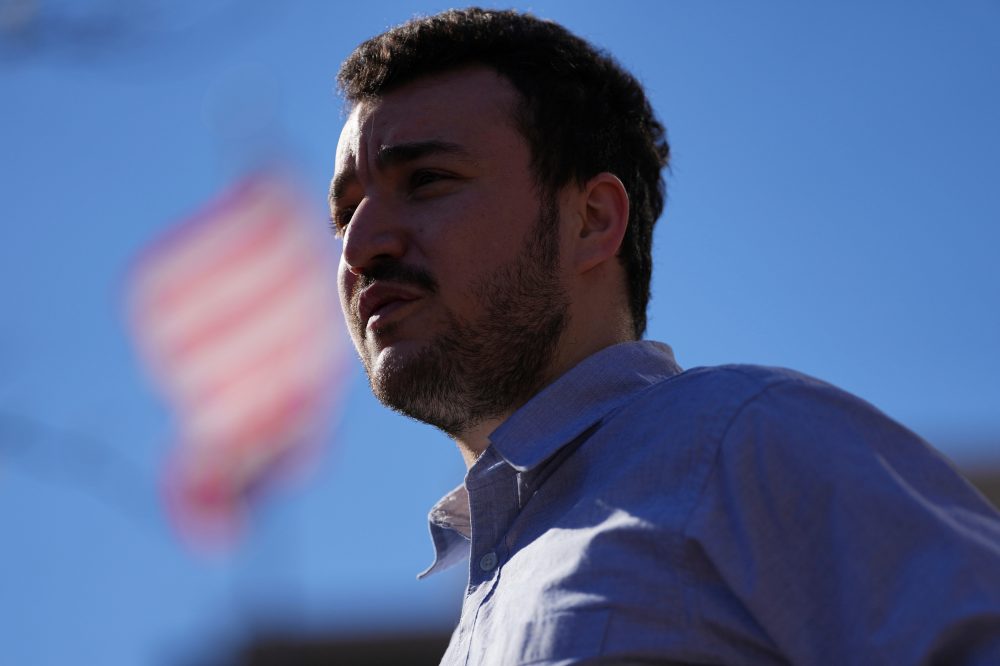
Mahmoud Khalil, who holds lawful permanent resident status in the United States, was taken into custody by immigration officials last year following his involvement in pro-Palestinian protests at Columbia during spring 2024.
Government officials contended that Khalil’s continued presence in the United States posed a threat to the nation’s foreign policy objectives.
After spending several months in custody, Khalil was released when a federal judge in New Jersey determined that the government’s actions violated constitutional protections.
The case then moved to the 3rd U.S. Circuit Court of Appeals, which determined that the New Jersey judge lacked jurisdiction to intervene and ordered the matter to proceed through immigration court channels first.
On Tuesday, however, the appeals court announced it would suspend its previous decision while Khalil pursues an appeal with the U.S. Supreme Court.
Brett Max Kaufman, senior counsel with the American Civil Liberties Union representing Khalil, expressed appreciation for the court’s action.
“We look forward to asking the Supreme Court to make clear that the government cannot use the threat of detention and deportation to silence dissent,” he said in a statement.
A Supreme Court appeal is anticipated within the coming months, potentially by late summer.
The U.S. Department of Homeland Security has not yet responded to requests for comment regarding the decision.
Following the court’s instructions, Khalil’s legal team has also presented arguments in immigration court proceedings, though those efforts have been unsuccessful thus far. A separate appeal from those hearings is currently awaiting review by the 5th U.S. Circuit Court of Appeals in Louisiana.
The temporary suspension issued Tuesday by the 3rd U.S. Circuit Court of Appeals offers Khalil additional protection from potential re-arrest and removal while his other legal challenges remain active.
The court provided no explanation for its decision but noted that if no petition is submitted within the required timeframe, all parties must notify the court in writing.