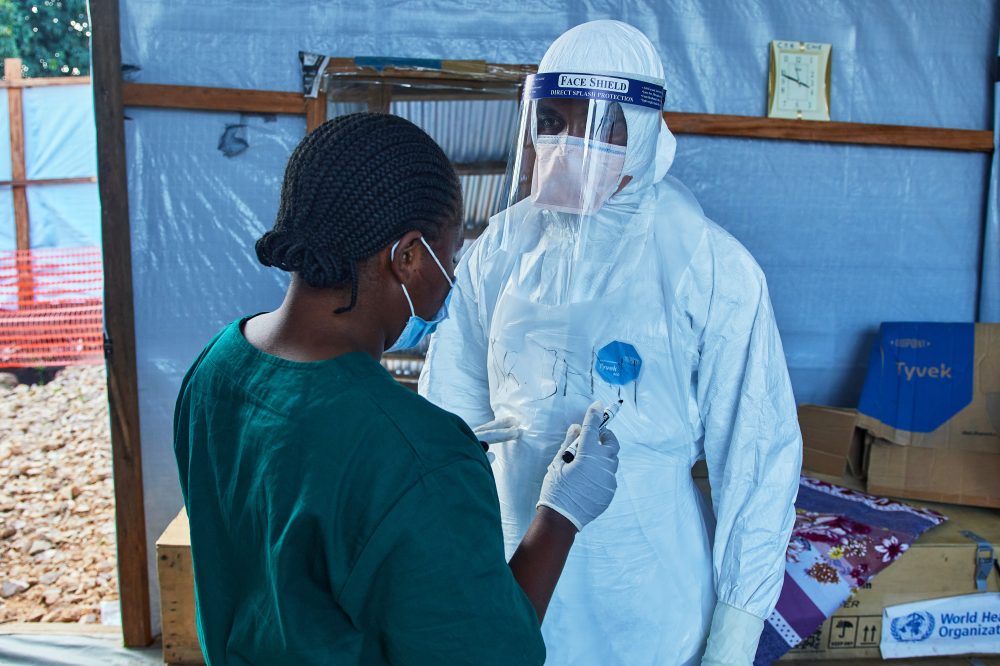

The United Nations announced Wednesday that humanitarian workers worldwide are facing unprecedented dangers, with more than 1,000 killed in the last three years—a figure that represents almost three times the fatalities recorded in the prior three-year span.
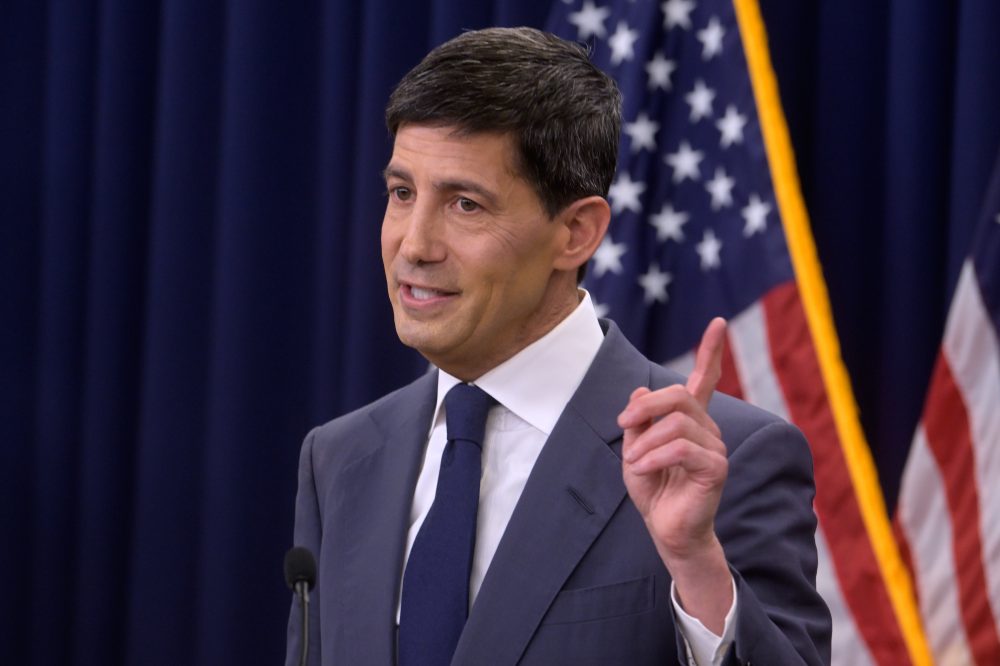
Tom Fletcher, the UN’s top humanitarian official, addressed the Security Council with stark language about the crisis. “This is not an accidental escalation — it is the collapse of protection,” Fletcher stated.
The statistics Fletcher presented show that of the 1,010-plus humanitarian workers who lost their lives between 2023 and 2025, the Gaza Strip and West Bank accounted for more than 560 deaths. Sudan saw 130 fatalities, South Sudan recorded 60, while Ukraine and Congo each had 25 deaths. These numbers stand in sharp contrast to the 377 deaths documented from 2020 through 2022.
The dramatic increase in casualties coincided with the conflict that erupted between Israel and Hamas in October 2023. While a ceasefire took effect in October 2025, violence including shootings and airstrikes has continued.
Fletcher reported that 2024 marked a particularly deadly year, with 383 aid workers killed across global conflict zones as they provided essential services like food distribution, water access, shelter, and medical care. The previous year, 2023, saw at least 326 aid workers killed across 21 nations.
“They died in clearly marked convoys and on missions coordinated directly with authorities,” the undersecretary-general for humanitarian affairs explained.
The Security Council convened to review a resolution passed in May 2024 that condemned attacks on humanitarian personnel and UN staff, while demanding that all fighting forces protect these workers under international law.
Fletcher posed challenging questions to the 15-member council, asking whether the killings occurred because international law “is no longer convenient” or because “it is more important to protect those designing, selling, supplying and firing lethal weapons?”
“Or is it because member states see these numbers as collateral damage, part of the fog of war? Or worse, are we now seen as legitimate targets?” he continued. “Perhaps the most chilling question: If these deaths were ‘preventable’, why then were they not prevented?”
Beyond the killings, Fletcher described how humanitarian personnel face additional challenges, being “restricted, penalized and delegitimized” while being told which areas they cannot access and which populations they cannot assist.
Fletcher cited Yemen as a stark example, where Houthi rebels are holding 73 UN staff members and numerous NGO workers in arbitrary detention.
Other restrictions include Afghanistan’s prohibition on female humanitarian workers, Israel’s limitations on UN and international organizations operating in Gaza, and drone attacks in Ukraine that have forced aid workers to retreat from frontline areas.
“These trends, alongside the collapse in funding for our lifesaving work, are a symptom of a lawless, bellicose, selfish and violent world,” Fletcher declared.
He urged the UN’s 193 member countries to honor the 2024 resolution’s requirements to safeguard humanitarian workers and hold accountable those who commit crimes against them.