
The highest court in Eswatini has delivered a victory for four men who were sent to the African nation by U.S. authorities last July, ruling they can now access in-person legal representation after being denied such meetings for nine months while confined in a maximum-security facility.
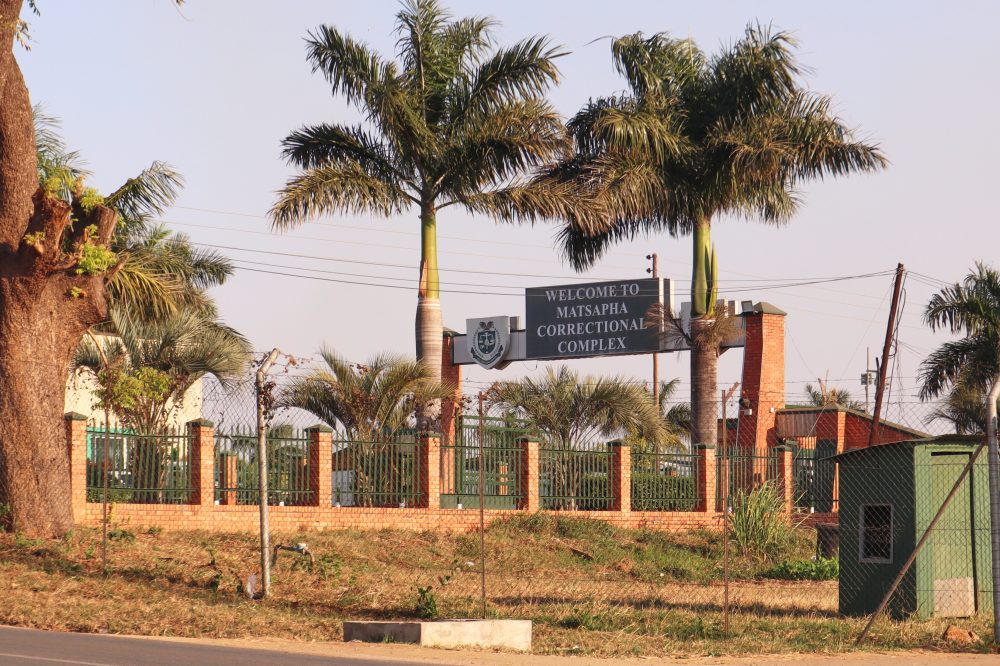
The men had been held at Matsapha Correctional Complex since their deportation under a Trump administration initiative that sends migrants to third-party nations rather than their countries of origin.
While an initial court decision had authorized local attorney Sibusiso Nhlabatsi to visit the detained men on behalf of their American legal team, Eswatini’s government quickly challenged that ruling.
Thursday’s Supreme Court decision rejected government claims that the four deportees had no desire to meet with Nhlabatsi and dismissed arguments that legal representation wasn’t warranted since no local criminal charges had been filed against them.
The African kingdom operates as the continent’s sole remaining absolute monarchy under royal rule, with authorities facing criticism for harsh treatment of democratic reform advocates.
Attorney Alma David from Novo Legal Group, representing two of the four detained men, issued a statement Friday highlighting the significance of the prolonged legal battle. “The fact that it took nine months of litigation to allow the men to meet with a lawyer speaks volumes about how hard the government of Eswatini is fighting to deny these men the most basic of rights,” David said.
The detained individuals, who originated from Cuba, Yemen, Laos and Vietnam, have maintained telephone contact with their U.S.-based legal representatives throughout their confinement.
At least eight African countries have entered into agreements with Washington to accept migrants who cannot easily return to their home nations, part of an immigration enforcement strategy designed to expedite removals of individuals without legal status in America.
Opponents of these arrangements argue they enable violations of deportees’ fundamental rights in nations with poor human rights records, particularly when those being deported have no connection to the receiving countries.
While U.S. officials maintain proper procedures were followed in these deportations, they have largely transferred responsibility for deportee treatment to the host nations.
Government representatives in Eswatini declined immediate comment on the court’s decision.
According to U.S. authorities, all four men had completed prison terms for serious criminal convictions and were subject to deportation orders. However, their attorneys contend the continued detention in Eswatini violates legal standards since no charges have been filed against them in that country.
State Department records reveal the U.S. agreed to provide $5.1 million to Eswatini’s government for accepting deportees. Since July, at least 19 individuals have been sent to the country in multiple groups, with officials indicating they could face detention for up to one year. Two deportees have since returned to their native countries.
The remaining seven African nations participating in similar deportation agreements include South Sudan, Rwanda, Uganda, Ghana, Cameroon, Equatorial Guinea and Congo.
Public documentation shows varying financial arrangements, including a $7.5 million payment to Rwanda. South Sudan reportedly requested sanctions relief for a corruption-accused official and assistance prosecuting an opposition figure in exchange for accepting deportees, though there’s no evidence the U.S. entertained these proposals.
Democratic senators have raised concerns about a $7.5 million transfer to Equatorial Guinea, whose leadership faces allegations of widespread corruption and authoritarian practices. Many aspects of these international agreements remain classified, including detention locations and duration for some African deportees.
A February analysis by Democratic Senate Foreign Relations Committee staff found the Trump administration allocated at least $40 million to deport approximately 300 migrants to countries other than their homelands, spanning Africa, Central America and other regions.
Associated Press reporting previously revealed 47 third-country deportation agreements had been finalized or were under negotiation based on internal government documents.