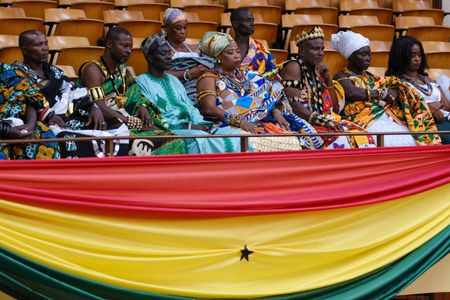

Legislators representing more than a dozen African nations have pledged to introduce new bills targeting LGBT rights, following a conference held in Accra, Ghana that drew together self-described “pro-family” advocates from both Africa and Europe.
The African Inter-Parliamentary Conference on Family Values and Sovereignty convened in Accra from June 3 through June 6 — just one week after Ghana’s parliament approved one of Africa’s strictest anti-LGBT measures, a bill that criminalizes the promotion of LGBT identity.
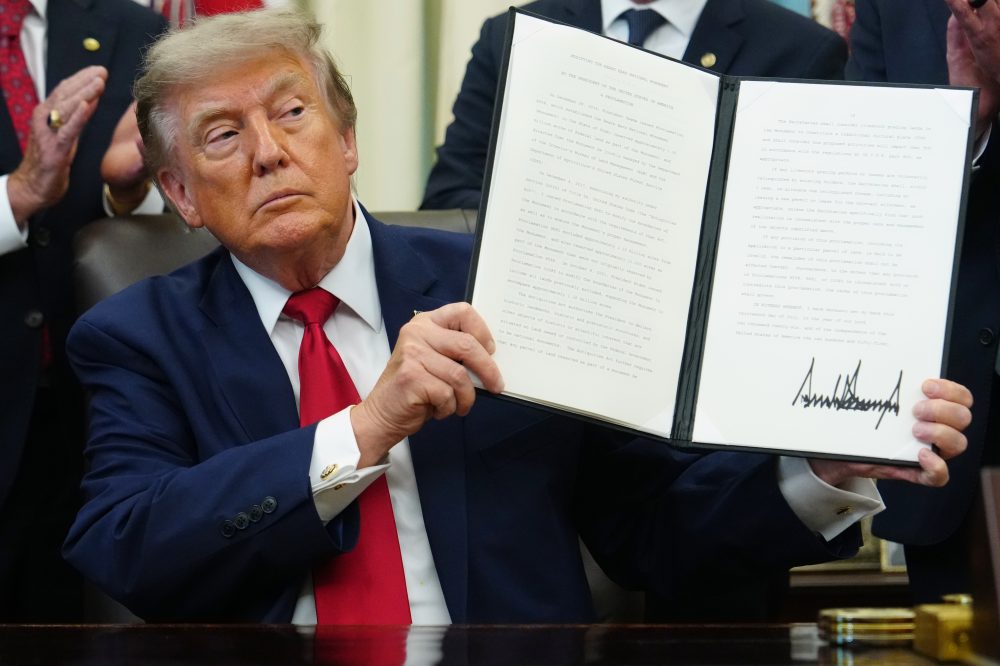
The conference reflects a growing movement toward more restrictive laws affecting LGBT people across parts of Africa. Participants noted that conservative figures in the United States and Europe have been encouraging this trend, and that it has gained new energy since Donald Trump returned to the White House.
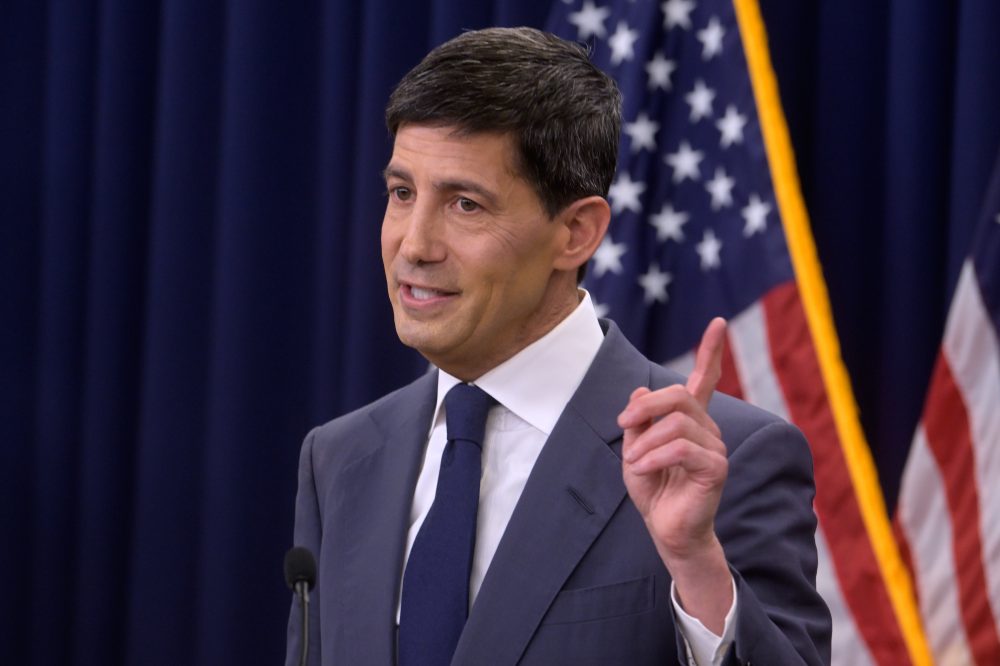
Several attendees said they viewed Trump’s presidency as an opening to advance their goals, noting that his administration — unlike those of Barack Obama and Joe Biden — does not include LGBT rights as a component of its foreign policy agenda.
Ghana’s Parliament Speaker Alban Bagbin addressed the gathering in his opening remarks, urging attendees to take action when they returned home. “When you return to your respective capitals, let the resolutions we adopt here not gather dust in the archives of our secretariats. Let them be translated into active bills, robust budgetary allocations, and rigorous oversight,” he said.
He continued: “Go home and tell your people that their representatives have resolved to protect the sanctuaries of their homes, the heritage of their ancestors, and the sovereignty of their nations.”
Currently, more than half of Africa’s 54 countries have laws criminalizing same-sex sexual acts. Nations including Uganda and Senegal have gone further in recent years by passing laws that also criminalize the “promotion” of LGBT identity — the same step Ghana’s lawmakers took in late May.
Conference organizers said representatives from 20 countries attended the event, which was held at Ghana’s parliament building. It remains unclear how many of those attendees plan to introduce new legislation based on what was discussed.
Reuters spoke with five participants and reviewed more than 100 pages of conference presentations. The news agency was unable to determine the extent to which foreign activists shaped the conference agenda, nor did it find evidence of foreign funding.
Sharon Slater, president of the U.S.-based conservative organization Family Watch International, has participated in previous versions of the conference held in Uganda. She told Reuters she was invited to this year’s event but chose not to attend.
Among the speakers was Henk Jan van Schothorst, the Dutch executive director of the advocacy group Christian Council International, who urged African governments to resist pressure to prohibit so-called conversion therapy — a practice aimed at changing gay people’s sexual orientation. “These policies are not only reserved for the Netherlands and for Europe. They are coming to Africa,” he said of such bans, characterizing them as “ideological colonisation” by Western nations.
In a separate presentation, Kenyan doctor Wahome Ngare offered definitions that described homosexuality and transgender identity in terms of childhood sexual abuse.
The conference wrapped up with lawmakers approving an “African Charter on Family, Sovereignty and Values,” a document that had been drafted during earlier meetings held in Uganda. The 32-page charter calls on governments to withdraw from international treaties or agreements — including those at the United Nations and with foreign donors — that are viewed as promoting “the LGBT agenda,” abortion, or sex education that does not focus on abstinence.
The charter also calls on signatory nations to pass domestic laws that “safeguard African culture and cultural values.” Lawmakers from 18 of the 20 represented countries voted to approve it.
Public health officials have raised concerns about the consequences of anti-LGBT legislation, warning that such laws can drive LGBT individuals underground. This is particularly concerning for men who have sex with men, a group that already faces higher HIV rates than the general population. Reuters reported in April that HIV patients in Senegal were visiting treatment centers less frequently amid a surge in arrests tied to that country’s new law.
In Ghana, the ongoing legislative debate has already created a climate of fear among LGBT residents. “I constantly self-censor, hide, watch my back. That’s not safety, that’s survival,” said an African photographer who has long lived in Accra. “So yes, leaving has crossed my mind. That breaks my heart because Ghana is my home.”
Reuters reported in March that the U.S. “pro-family” group MassResistance had been in communication with activists in Ghana who supported the bill, as well as those backing Senegal’s new law.
Ghana’s bill is currently awaiting approval from President John Dramani Mahama, who had previously indicated he would sign such legislation but has more recently cited procedural concerns. A coalition of more than 100 African civil society organizations has called on Mahama to reject the bill, warning that the government risked allowing “external actors with resources and reach to shape its domestic legislation.”
The U.S. State Department has stated that Trump’s approach to foreign aid ensures taxpayer money is not “wasted on divisive social and gender issues.”
At the Accra conference, Ugandan former lawmaker Sarah Opendi welcomed the change in direction from Washington. “Let us first thank the American people for voting for President Trump. The conversation in America today is different,” she said.