
A federal lawsuit has been filed against the U.S. Department of Agriculture by a watchdog organization that claims the agency is concealing important documents related to food safety concerns following last year’s train derailment in Ohio.
The Government Accountability Project, a nonprofit organization, initiated the legal action on Friday in the District of Columbia. The group argues that USDA officials improperly held back records concerning potential toxic chemical contamination of food supplies connected to the February 2023 rail disaster in East Palestine, Ohio.
According to a report released by the organization, documents they secured through a Freedom of Information Act request revealed that USDA personnel were aware that dangerous chemicals could potentially taint the food supply in areas surrounding the East Palestine incident, which occurred near the Ohio-Pennsylvania state line.
The group contends that despite this knowledge, the Environmental Protection Agency did not perform specific testing for dioxins—a hazardous chemical—in locally grown vegetables, livestock, poultry eggs, or wildlife in the region. USDA representatives chose not to provide comments, citing the ongoing legal proceedings.
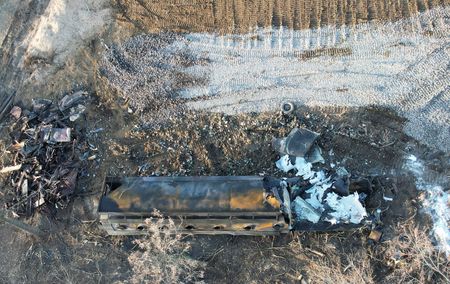
The Norfolk Southern Railway train was traveling from Illinois toward Pennsylvania when it left the tracks on February 3, 2023, sparking a massive blaze that led to the emergency evacuation of hundreds of area residents. Railway personnel subsequently emptied and incinerated toxic chemical materials from five derailed cars.
At the time, EPA officials stated their analysis of residential drinking water and indoor air quality near the crash site showed no signs of contamination.
However, scientific experts raised alarm about potential agricultural contamination from dioxins, cancer-causing substances created during the deliberate burning of chemicals by railroad workers. Lesley Pacey, who serves as the Government Accountability Project’s senior environmental advisor, explained in a Friday interview that USDA documents obtained by her organization contained extensive redactions and some materials were completely withheld.
The legal challenge aims to force the release of those hidden documents. Pacey noted that the information they did receive “shows that internally they were recognizing that there were contamination pathways that were very realistic and concerning.”
According to Pacey, the agency failed to conduct thorough testing or properly inform local residents about potential health risks.