
A 91-year-old man facing charges related to the 1994 Rwandan genocide has died at a hospital while being held in custody in The Hague, Netherlands, according to a U.N. court announcement made Saturday. This comes three years after judicial officials determined he was mentally incompetent to proceed with his trial.
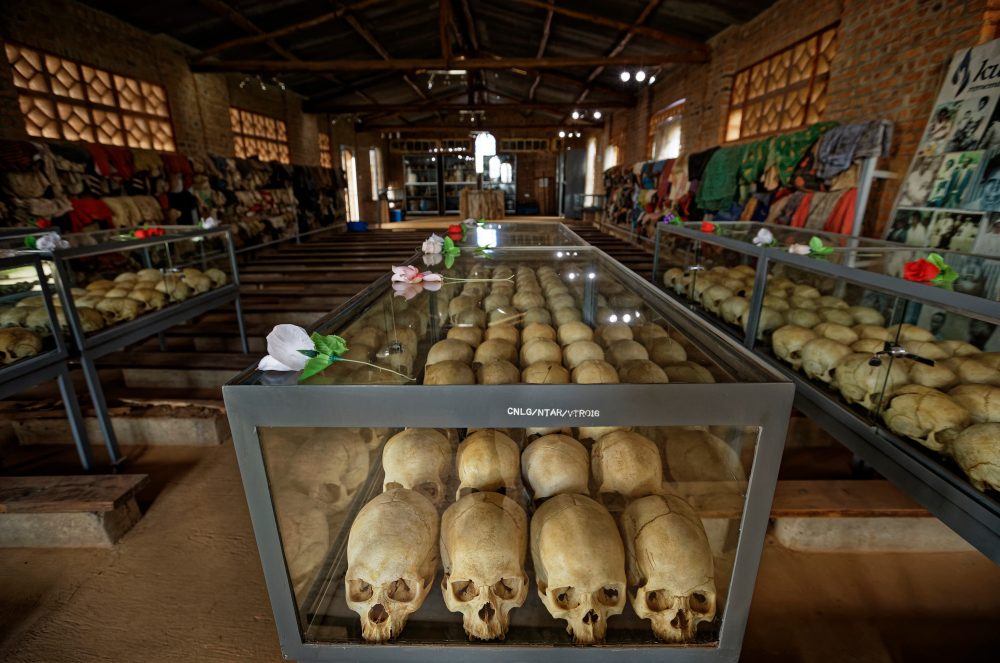
Félicien Kabuga faced allegations of funding and promoting the systematic slaughter of Rwanda’s Tutsi population. Legal proceedings against him commenced in 2022, almost thirty years following the 100-day period of violence that claimed 800,000 lives.
Court officials ruled in 2023 that he could not continue facing trial due to his dementia diagnosis, announcing they would create a framework to proceed with evidence collection while removing any possibility of a conviction.
The U.N. International Residual Mechanism for Criminal Tribunals announced Saturday that Kabuga passed away during his hospital stay in The Hague, with the medical officer at the U.N. Detention Unit receiving immediate notification.
Officials have launched an inquiry to determine the specific circumstances surrounding his death, according to the court’s statement.
Authorities issued a warrant for Kabuga’s arrest in 2013 and offered a $5 million reward for information leading to his capture. French authorities apprehended him in 2020, leading to the start of his trial two years later.
The charges against Kabuga included genocide, promoting genocide, plotting genocide, along with persecution, extermination and murder. He entered a plea of not guilty. A conviction would have resulted in a potential life sentence.
Following the court’s determination of his mental incompetence, he continued to be detained while officials worked to resolve questions about his potential release to any nation willing to accept him.
His legal representative stated that he would not agree to return to Rwanda, despite that country’s willingness to receive him, citing concerns about potential mistreatment.
The court’s ruling declaring him unfit for prosecution frustrated numerous genocide survivors in Rwanda, who believed his alleged crimes warranted the harshest possible punishment.
The mass killings began on April 6, 1994, following the downing of an aircraft carrying President Juvénal Habyarimana, which crashed in Kigali, the capital city, killing the leader who belonged to the ethnic Hutu majority like most Rwandans. Kabuga’s daughter had married the president’s son.